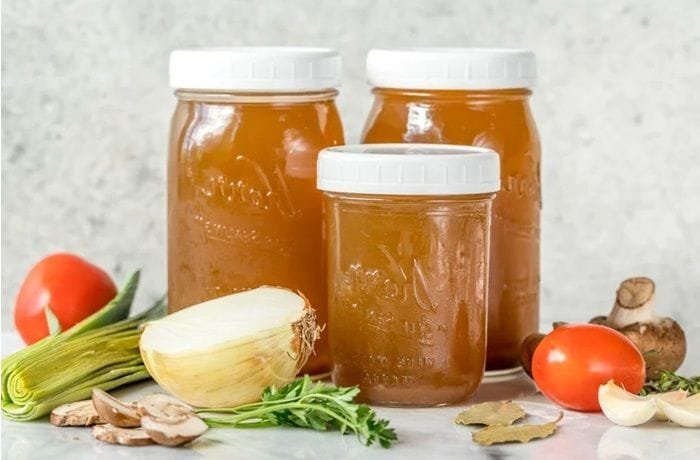
Homemade vegetable broth is onion, leek, and garlic sautéed in olive oil, then carrot, celery, and tomato, simmered in water with a bay leaf, salt, and optional rosemary and thyme for 20 minutes, and strained. It takes 10 minutes of preparation and 30 minutes of cooking, and serves 4.
A light broth for stews and other dishes that enhances the recipe without overshadowing the main ingredient.
How to Make Natural Vegetable Broth?
With a simple list of widely available ingredients, it adds flavor, nutrients, and versatility to your cooking.
Nutritional Information
Each serving of vegetable broth contains approximately 50 kcal, 8 g of carbohydrates, 1 g of fat, 1 g of protein, 2 g of fiber, 3 g of sugars, 0 mg of cholesterol, and 400 mg of sodium. These values are estimates and may vary depending on ingredients and portion sizes.
Homemade Vegetable Broth Recipe
Preparation: 10 minutes
Cooking: 30 minutes
Servings: 4
Ingredients
- 5 cups of water
- 2 celery stalks
- 2 carrots
- 1 whole leek
- 1 tomato
- 1 bay leaf
- 1 garlic clove, minced
- ½ onion
- Rosemary to taste
- Thyme to taste
- Salt to taste
- Olive oil

Instructions
- Wash the celery, carrots, onion, leek, and tomato well, cut into small pieces, and keep them separate. In a medium pot, heat a splash of olive oil over medium heat, add the onion, leek, and garlic, and sauté for a couple of minutes until soft.
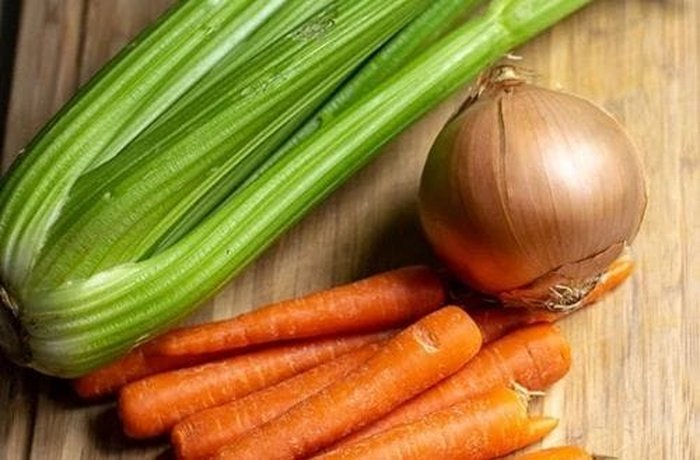
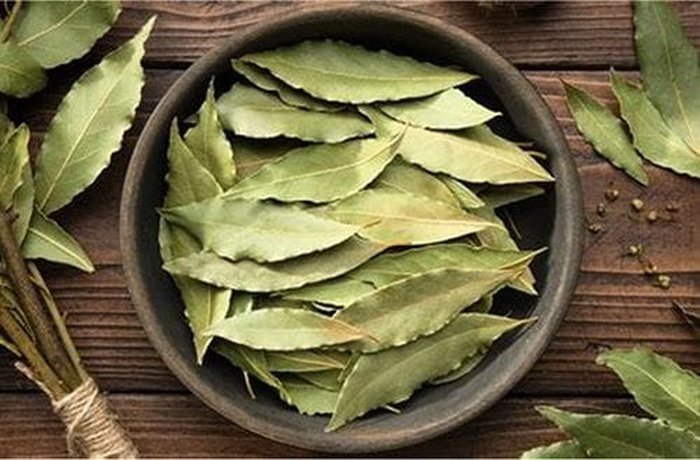
- Add the carrots, celery, and tomato and cook over low heat for 5 more minutes. Add the water and bring to a boil, add the bay leaf, salt to taste, and, if you like, some herbs, then lower the heat and simmer for 20 minutes.
- Turn off the heat and strain the broth carefully. Reuse the vegetables in a cream soup, and store the broth refrigerated in airtight jars until ready to use.
Additional Tips
Cool before storing
Let the broth cool to room temperature before storing; storing it hot creates condensation and favors bacteria.
Label portions
Store in useful portions labeled with the date and use within 3 to 4 days.
Freeze it
For longer storage, freeze it for up to 6 months, in ice cube trays or small bags.
Thaw safely
Thaw frozen broth overnight in the refrigerator, never at room temperature.
| Original ingredient | Substitute | Ratio | Flavor note |
|---|---|---|---|
| Water | Scraps broth | 5 cups | Same, zero waste |
| Salt | No salt | To taste | Full sodium control |
| Leek | Spring onion | 1 | Milder |
| Rosemary and thyme | Parsley stems | To taste | Fresher |
Frequently Asked Questions (FAQs)
1. Can I use vegetable scraps?
Yes. Keep carrot peels, celery stalks, and onion ends in a freezer bag, and when you have enough, put them in the pot and follow the recipe.
2. Why does my broth taste bitter?
Watch out for cabbage family vegetables (broccoli, cauliflower, cabbage). Cooked long, they release bitter flavors and strong smells. Stick to carrot, celery, leek, and onion.
3. Can I make it without salt?
Yes, and it is a good idea if you will reduce it for sauces or cook rice that you will salt anyway.
4. What if the broth is too pale?
Brown the vegetables a little longer in the oil before adding water, and leave the clean golden onion skin in the pot for an amber color.
5. How long does it really keep in the fridge?
Three to four days in an airtight jar, well chilled. If you will not use it soon, freeze it in ice cube trays or small bags.
How to Use Vegetable Broth
Vegetable broth is a base for vegetable soups, cream soups, chicken soup, and meat stews. Use it instead of water when cooking rice, risottos, paellas, and other rice dishes for extra flavor and better texture.
Did You Know?
In French cooking, stocks of meat and vegetables are the foundation of many sauces and soups, such as the fond blanc, a basic white stock made from bones, vegetables, and herbs.
How to adapt this recipe to a vegan or vegetarian version?
How to adapt this recipe to a gluten-free version?
How to adapt this recipe to a keto (ketogenic) version?
Recommended
- Homemade Vegetable Bouillon Cubes Recipe
- Chilean Vegetable Soup Recipe
- Homemade Fish Stock Recipe
- Homemade Bone Broth Recipe