CapsaNativa, a Chilean university project, explores topical formulations with capsaicin from Chile’s cacho de cabra chili to address chronic pain.
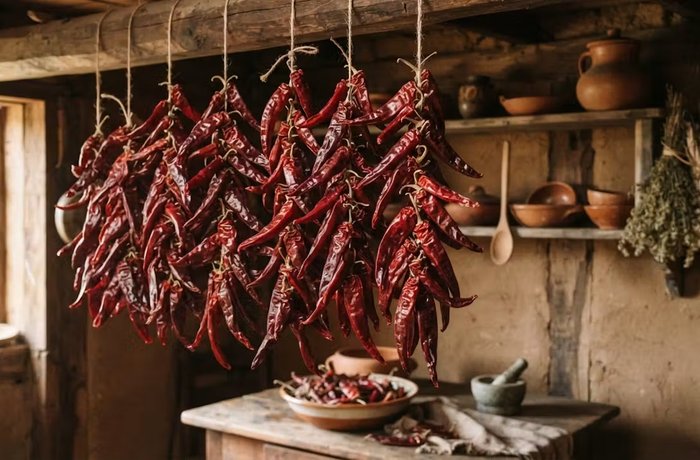

CapsaNativa, a Chilean university project, explores topical formulations with capsaicin from Chile’s cacho de cabra chili to address chronic pain.
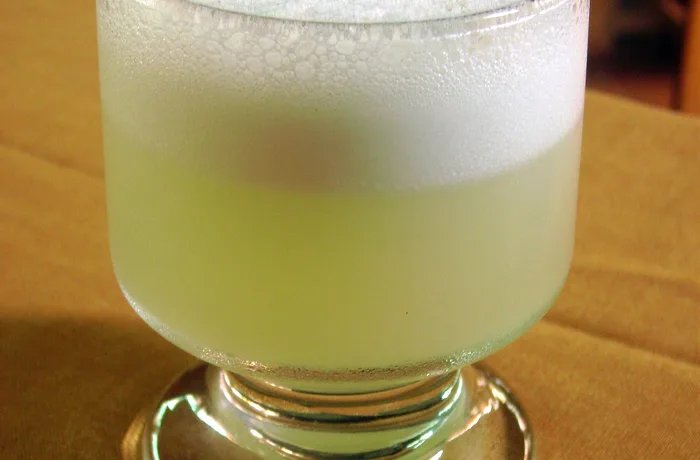
Versión en Español The Chilean pisco sour is a cocktail of pisco, Chile’s grape brandy, with lime juice and sugar blended or shaken with ice, served very cold in a cocktail glass with a light foam. It takes 5 minutes and no cooking for 4 glasses. What sets the Chilean version apart is Chilean pisco and Pica lime, a small, aromatic lime similar to the key lime, in a ratio of three parts pisco to…
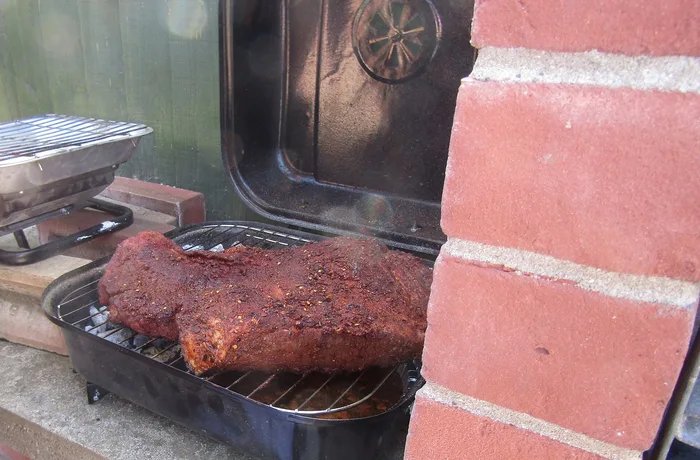
Versión en Español Chilean grilled beef brisket, or tapapecho a la parrilla, is a cut from the beef chest cooked for several hours over indirect heat, between 140 and 150°C (284 and 302°F), until its collagen softens and the meat turns tender. Plan on about 40 minutes of prep and 6 hours of cooking for 6 servings. It stands out for its dark spice crust and an inside that pulls apart easily when sliced. In…
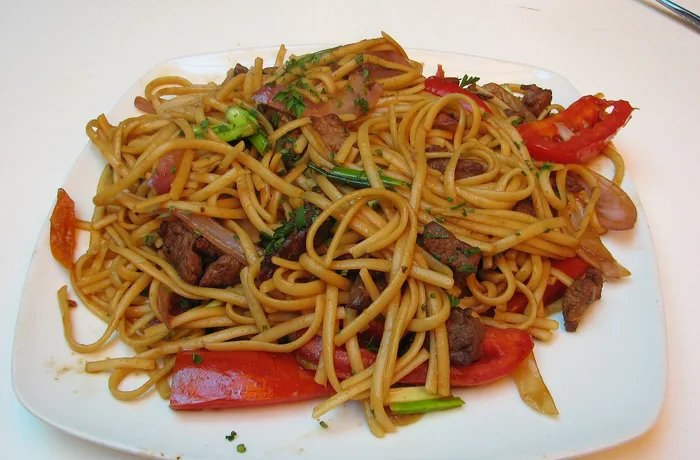
Versión en Español Tallarín saltado is a Peruvian chifa dish of long noodles stir-fried in a wok with strips of beef, red onion, tomato, ají amarillo (a fruity Peruvian yellow chili) and sillao, the Peruvian name for soy sauce, finished with fresh scallions. It takes about 50 minutes and serves 4 as a one-plate lunch or dinner. It shares its base with Peruvian lomo saltado, but the noodles replace the french fries and rice and…
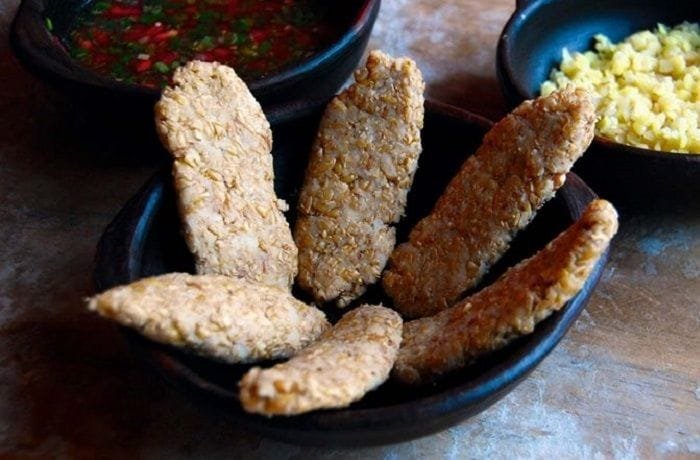
Versión en Español The best-known Mapuche desserts are bolitas de indio, catutos or multrún with honey, ulpo made with toasted flour, and sweet preparations with piñones, the seeds of the araucaria tree, such as piñones in syrup, piñón sopaipillas and muday. They are built on ingredients from southern Chile like the piñón, wheat mote, toasted flour, potatoes, honey and wild fruit such as murta. Some are old preparations and others are modern versions made with…
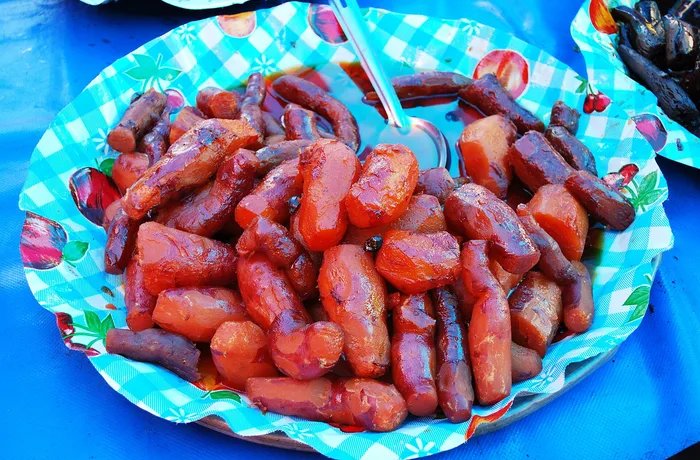
Versión en Español Chilean candied sweet potatoes, or camote confitado, are peeled sweet potato pieces cooked slowly in a syrup of chancaca, Chilean unrefined cane sugar, with orange juice and spices until tender and glossy. They take 15 minutes of prep and 45 minutes of cooking for 6 servings. They are served warm as a dessert, on their own or with cream, and also as a sweet side for pork, turkey or chicken, for example…
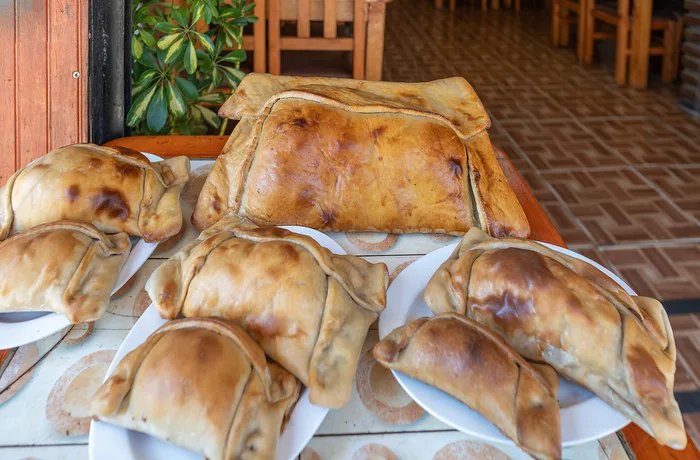
Versión en Español Chilean canned salmon empanadas, or empanadas de salmón en tarro, are filled with a pino, the classic Chilean empanada filling, made here from flaked canned salmon, sautéed onion and red bell pepper, spices and cheese, and then baked or fried. They take 40 minutes of prep and 45 minutes of cooking for 12 empanadas. They are an affordable, quick option because the salmon comes already cooked, and they are made often during…
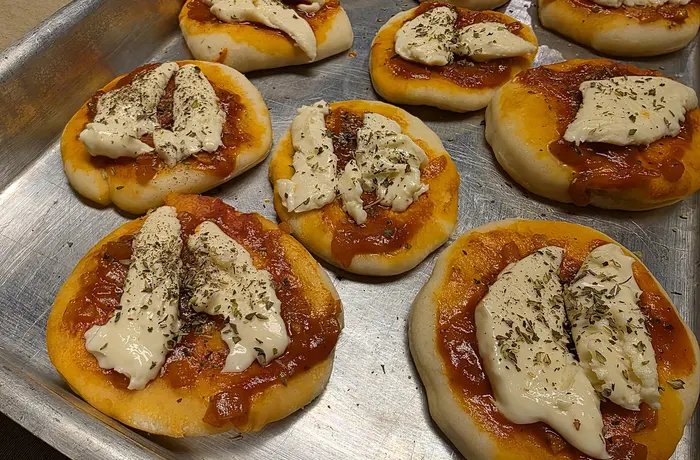
Versión en Español Chilean pizzetas are small homemade pizzas, 7 to 8 cm (about 3 inches) across, made with a dough of flour, yeast, water and oil and topped with tomato sauce, cheese and oregano. They take 1 hour and 30 minutes of prep, including 1 hour for the dough to rise, and 30 minutes of baking. One batch of dough makes 30 to 35 pizzetas, and they can be frozen ready to bake. Pizzetas…
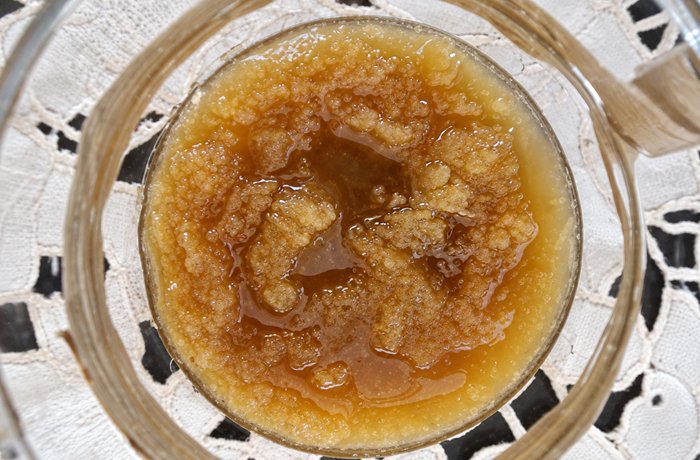
Versión en Español Chilean nalca jam, or mermelada de nalca, is a homemade preserve from southern Chile made by cooking peeled young nalca stalks with sugar, grated green apple and lemon juice until thick. It takes 30 minutes of prep plus 2 hours of macerating and about 1 hour of cooking, and makes 5 to 6 jars of 250 g (9 oz). The result is tart and fresh, a jam to spread on pan amasado,…
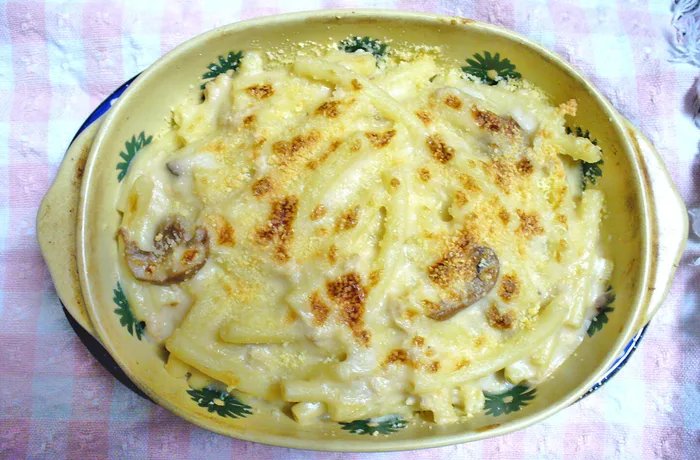
Versión en Español Tallarines bontú are long noodles coated in a white sauce enriched with cream, ham and mushrooms, then topped with cheese and baked until golden. The dish takes about 1 hour and 5 minutes and serves 4. Few pasta dishes are as familiar in Chile, where tallarines bontú appear on workplace cafeteria menus, packed lunches and weekend family meals. The name is spelled several ways, bontú, bontu or bontoux, and all of them…