 Chilean street food is a unique culinary experience defined by fresh ingredients like mashed avocado (palta), pumpkin-infused doughs (sopaipillas), and high-quality grilled meats (anticuchos).Unlike other Latin American cuisines, Chilean street eats focus on rich textures and large portions, often served at street carts known as “carritos.” The most iconic items include the Completo Italiano, the Churrasco steak sandwich, and the sweet Maní Confitado.
A Deep Dive into Chile’s Unique Street Food Culture
As a gastronomic strategist, I have explored the corners of South America, and I can confidently state that Chile’s street food is a world of its own. It is a fusion of 19th-century European influences—specifically German and French—and the ancient traditions of the Mapuche people.
In the United States, we are accustomed to tacos and empanadas as the face of Latin street food, but Chile introduces a different hero: the high-quality sandwich and the “Palta” (Avocado) culture.
In this guide, we will break down the essential street foods you must try, their history, and what makes them rank among the best in the world for travelers and foodies alike.
1. Sopaipillas: The Soul of a Chilean Winter
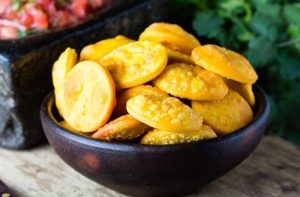
The Sopaipilla is the undisputed king of Chilean street snacks. While the name exists in other cultures, the Chilean version is distinct because of its primary ingredient: Zapallo (pumpkin).
How Sopaipillas are Made
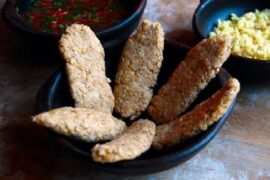
The dough is a mixture of flour, shortening, salt, and cooked, pureed pumpkin. This gives the sopaipilla a soft, slightly sweet undertone and a vibrant golden color. They are flattened into discs and deep-fried until they puff up slightly.
The Savory vs. Sweet Debate
On the street, sopaipillas are savory. You will see locals lining up at “carritos” to top theirs with mustard, spicy ají, or the essential Pebre. Pebre is a fresh salsa made from chopped cilantro, onions, garlic, and oil.
However, at home, Chileans enjoy Sopaipillas Pasadas—the same discs submerged in a warm syrup made from chancaca (unrefined sugar), orange peel, and cloves.
2. The Churrasco: Chile’s Premium Steak Sandwich
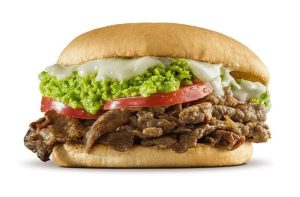
In Chile, a sandwich is not just a snack; it is a full meal. The Churrasco is the foundation of this culture. It features very thin slices of grilled beef (usually top sirloin or flank steak) on a soft, toasted bun called Pan Frica.
The “Italiano” Configuration
The most popular way to order a Churrasco is “Italiano.” It is named after the colors of the Italian flag:
- Green: A massive layer of mashed Hass avocado.
- White: A generous serving of homemade mayonnaise.
- Red: Freshly sliced tomatoes.
For those looking for something more rustic, the Churrasco Chacarero adds green beans, tomatoes, and sliced green chili to the beef, offering a crunch that is highly prized by connoisseurs of Chilean culinary traditions.
3. Anticuchos: The Scent of the “Fiestas Patrias”
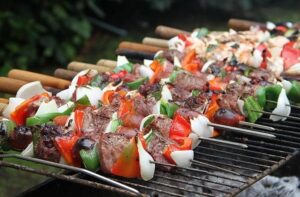
If you walk through a Chilean park during September, the smell of Anticuchos will guide you. These are long skewers of meat grilled over charcoal flames.
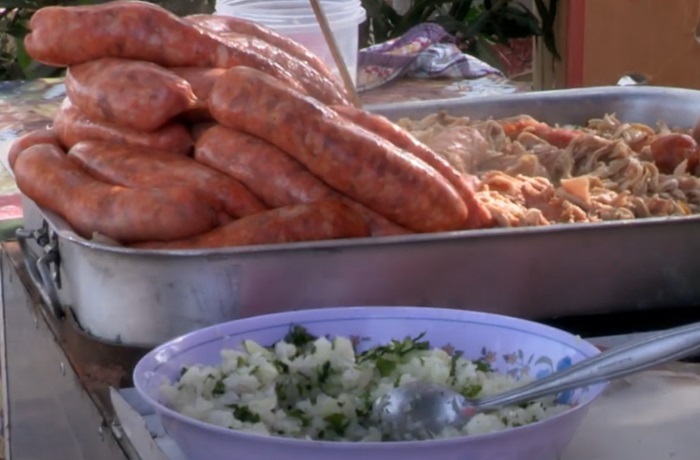
Unlike the Peruvian version (which often uses beef heart), the Chilean street Anticucho is made with cubes of beef, pork, and longaniza (a local chorizo-style sausage).
Between the meats, vendors place pieces of onion and bell pepper. The tradition dictates that a piece of Marraqueta (Chilean French-style bread) is placed at the tip of the skewer to soak up the juices as you eat your way down.
4. Sándwich de Potito: A Legendary Urban Icon
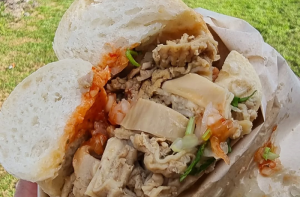
The Sándwich de Potito is perhaps the most “underground” yet famous street food in Santiago. Traditionally sold outside soccer stadiums and near the Central Station, it has a history tied to the working-class roots of the city.
The sandwich consists of beef or pork tripe (and sometimes rectum/intestines) that has been slow-cooked in a large, steaming copper vat with onions, garlic, and spices.
It is remarkably tender and rich. While it may sound daring to the uninitiated, its deep, savory flavor makes it a cult favorite among food critics worldwide.
5. Papas Fritas: The Chilean Street Twist
Papas fritas are a global staple, but a 2025 culinary discovery redefined their street-food identity as deeply Chilean, rooted in local techniques and urban food culture. Chilean street vendors perfected the art of the cone, serving hand-cut fries in large paper cones, where the real magic lies in the toppings.
In Chile, fries are the canvas for Salsa Americana (a tangy pickle-based relish) and creamy dressings. They also serve as the base for Chorrillana, a legendary sharing plate where fries are topped with sautéed onions, beef strips, and fried eggs. This dish originated in the port city of Valparaíso and remains a top-tier street food entity.

6. Sweet Treats: Churros and Maní Confitado
Chilean street food isn’t all savory. The sweet side is dominated by two classics:
Churros Rellenos
Unlike the cinnamon-sugar-dusted churros of Mexico, Chilean churros are often served plain or, more commonly, filled with Manjar. Manjar is Chile’s version of Dulce de Leche—a thick, dark, and incredibly sweet milk caramel. These are fried fresh at beachside stalls and city parks.
Maní Confitado
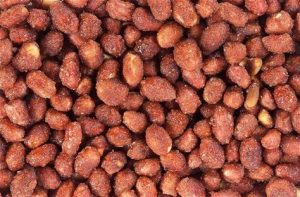
The soundtrack of downtown Santiago is the “tink-tink” of the Maní Confitado vendor. These are roasted peanuts cooked in a copper pot with sugar, water, and vanilla. As the water evaporates, it creates a crunchy, amber-colored shell. Sold in small paper cones, they are the perfect warm snack for a walking tour.
Frequently Asked Questions (FAQs)
Is Chilean street food safe for tourists?
Yes. Chile maintains high sanitary standards. It is generally safe to eat from “carritos” that have visible municipal permits and high customer turnover.
What is the most popular street food in Santiago?
The Sopaipilla is the most widely consumed street food in the capital, followed closely by the Completo Italiano.
Do Chileans eat spicy food?
Chilean cuisine is mild compared to Mexican or Peruvian food. While they use Ají (chili), it is usually served on the side as a condiment rather than cooked into the main dish.
What is ‘Manjar’?
Manjar is a Chilean milk caramel. It is similar to Dulce de Leche but typically has a thicker consistency and a more “toasted” flavor profile.
What bread is used for Chilean sandwiches?
The most common are Marraqueta (crusty and airy) and Pan Frica (a soft, round bun similar to a brioche but less sweet).