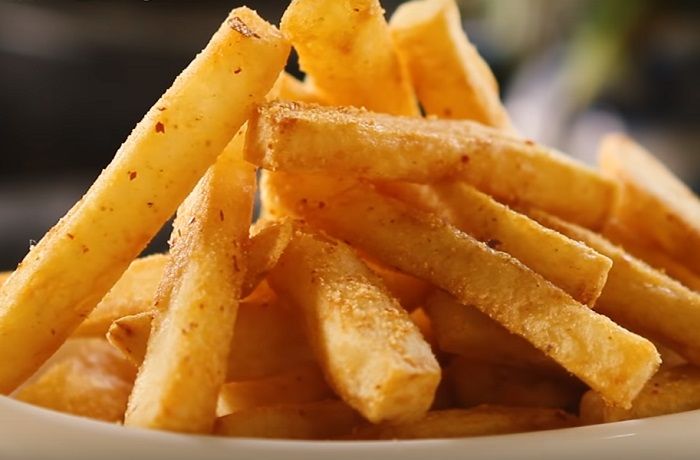
For years, culinary history has considered French fries an emblem of Belgian and French cuisine. However, recent research conducted by the Municipality of Nacimiento, in the Biobío region of Chile, may challenge this narrative, suggesting that this popular food has its earliest documented references in Chile, dating back to 1629.
The Discovery in Historical Archives
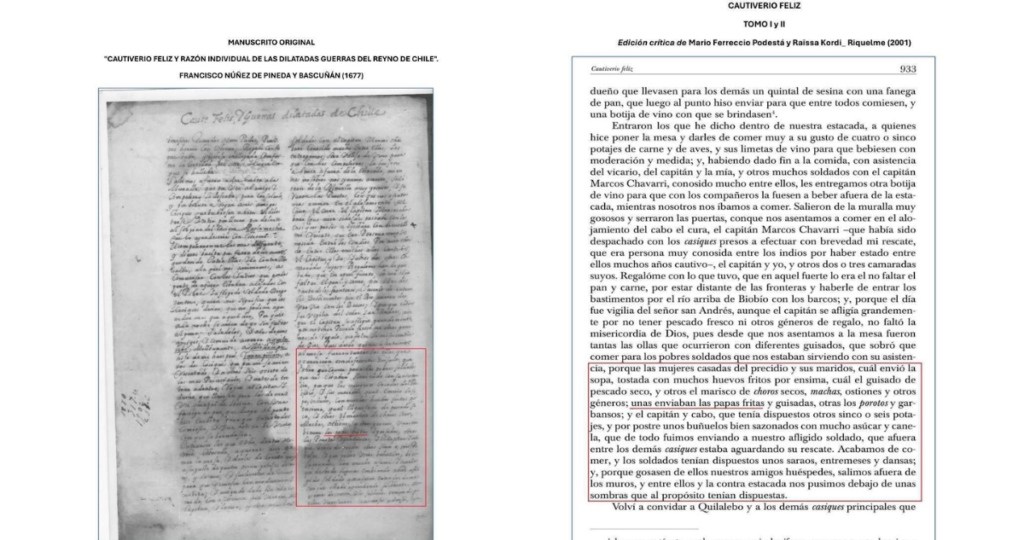
The investigation is based on original manuscripts of the book Cautiverio Feliz (1677), written by Francisco Núñez de Pineda y Bascuñán, a Spanish soldier captured by the Mapuche in the Biobío region.
During his release at the Nacimiento Fort, Núñez de Pineda described a grand celebration where “fried potatoes” were among the dishes served.
The original text mentions:
From the moment we sat at the table, so many pots arrived with different stews that there was enough food left for the poor soldiers who were assisting us with their service.
He also elaborates:
Because the married women of the garrison and their husbands sent dishes—some brought soup, toasted with many fried eggs on top; others sent stews of dried fish or shellfish like dried mussels, clams, scallops, and other varieties; and some sent fried potatoes.
The Mapuche’s Role and Cooking Methods
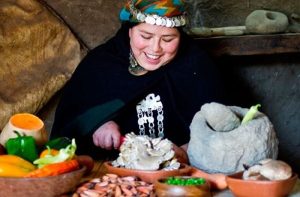
According to Javier Arredondo, tourism coordinator for the Municipality of Nacimiento, the research was supported by Raïssa Kordic, a professor at the University of Chile, who translated the text from Old Spanish.
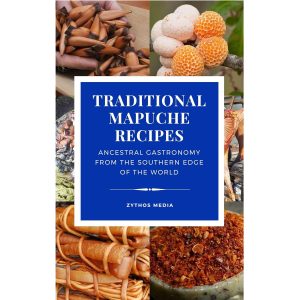
Arredondo explained that the Mapuche played a key role in food preparation for the garrison, as the Spanish lacked knowledge of local cooking techniques and ingredients.
The investigation also explored how potatoes might have been fried at that time.
The tools were rudimentary. The book indicates that in Biobío, there were animals, possibly used for extracting animal fat for frying. Other sources reference plants that the Mapuche may have used to obtain cooking oil.
Debate Over the Origin of French Fries
Although this research could position Chile as one of the possible origins of French fries, the historical debate still includes France and Belgium.
In Belgium, it is argued that the dish originated in Namur around 1680, when residents replaced fish with potatoes during a harsh winter. However, potatoes were not cultivated in that region until at least 1735.
In France, the origin is attributed to the late 18th century with Pont-Neuf potatoes, sold from carts on Paris’s oldest bridge.
Presentation of the Research
The Municipality of Nacimiento will present the final results of this research on December 14 at the Nacimiento Fort. Additionally, the Mapuche French Fry Festival will celebrate and highlight this historical discovery.
This finding not only sheds new light on the origin of French fries but also emphasizes the importance of recognizing and valuing the culinary traditions of Chile’s indigenous peoples.
While the debate continues, the possibility that this iconic dish has Chilean roots invites reflection on the country’s rich cultural and gastronomic heritage.
Frequently Asked Questions (FAQ)
1. How much earlier is the Chilean record of “fried potatoes” compared to European claims?
The Chilean evidence dates back to 1629 (as described in the events of Cautiverio Feliz), which is significantly earlier than its rivals. Belgium’s earliest claim is from 1680 (though potatoes weren’t widely grown there until 1735), and the French “Pont-Neuf” style didn’t appear until the late 18th century. This puts the Chilean documentation at least 50 to 150 years ahead of European traditions.
2. What type of oil or fat was used for frying in 17th-century Chile?
Since modern vegetable oils were not available, the research suggests two primary sources: animal fat (lard) from livestock kept at the Nacimiento Fort or indigenous plant oils. The Mapuche people had extensive knowledge of local flora and likely extracted oils from seeds or nuts to achieve the high temperatures necessary for frying.
3. Why was the Mapuche influence so critical to this culinary discovery?
Spanish soldiers at the time were unfamiliar with local ingredients and indigenous cooking techniques. The research highlights that the Mapuche women were the primary cooks for the garrison, blending their knowledge of the native potato (Solanum tuberosum) with frying methods to feed the Spanish troops, effectively creating a “fusion” dish nearly four centuries ago.
4. What is “Cautiverio Feliz” and why is it a reliable historical source?
Cautiverio Feliz (Happy Captivity), written by Francisco Núñez de Pineda y Bascuñán in 1677, is a detailed memoir of his time as a prisoner of the Mapuche. It is considered a vital historical document because it provides a first-hand, ethnographic look at the customs, celebrations, and specifically the dietary habits of the Biobío region during the 1600s.
5. What is the significance of the “Mapuche French Fry Festival” in Nacimiento?
The festival, held at the historic Nacimiento Fort, serves as a formal presentation of the academic research. Its goal is to reclaim the potato’s identity as a native American crop and to celebrate the Mapuche people’s role in developing one of the world’s most popular cooking techniques, moving the narrative away from a purely Eurocentric origin.