The foundation of Chilean cooking lies in a few key spices. In the U.S., these are often grouped under “Latin” or “Hispanic,” but the flavor profiles can differ significantly from Mexican or Caribbean varieties.
Chilean cuisine has successfully established a high-value niche within the North American gastronomic market. This success is driven by a technical focus on quality control and the preservation of traditional flavor profiles.
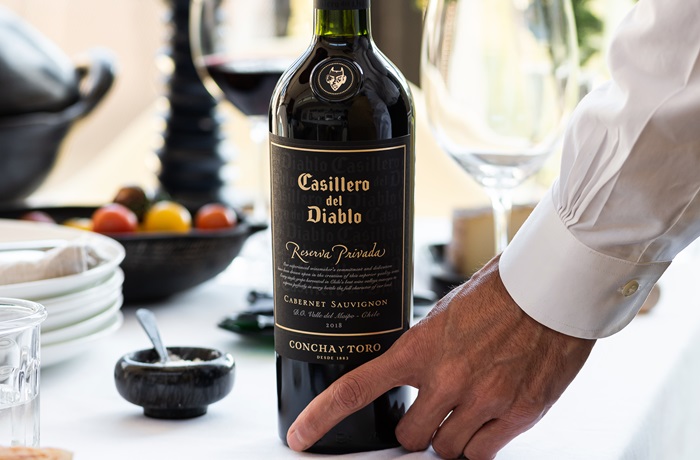
September in Chile is synonymous with aromas, flavors, and traditions. And when Fiestas Patrias invite us to gather around the table, there is no better way to celebrate than with a good wine that enhances every bite and every toast.
Missing Chilean flavors? Longing for a good empanada or a comforting cazuela? Don’t worry, you don’t have to cross the pond to enjoy authentic Chilean cuisine.
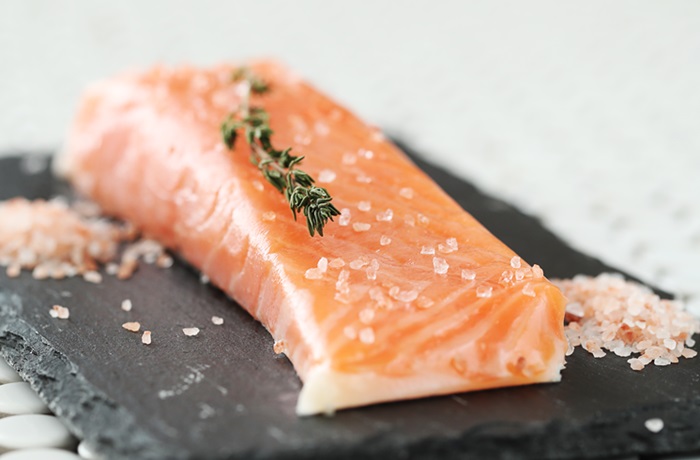
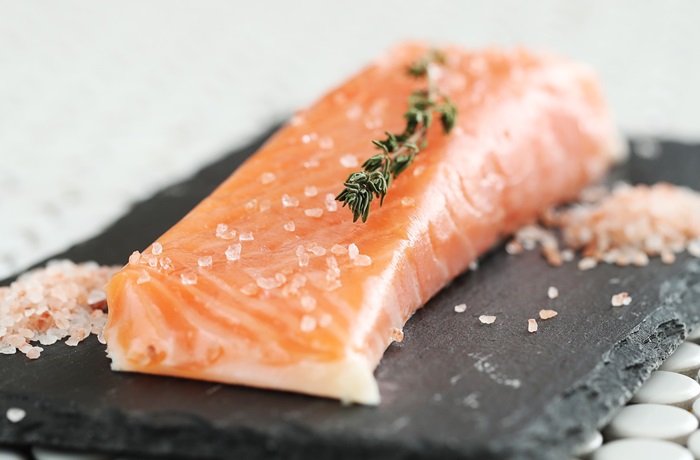
Chilean salmon, globally recognized for its quality and flavor, recently achieved a significant milestone with the U.S. Food and Drug Administration (FDA).
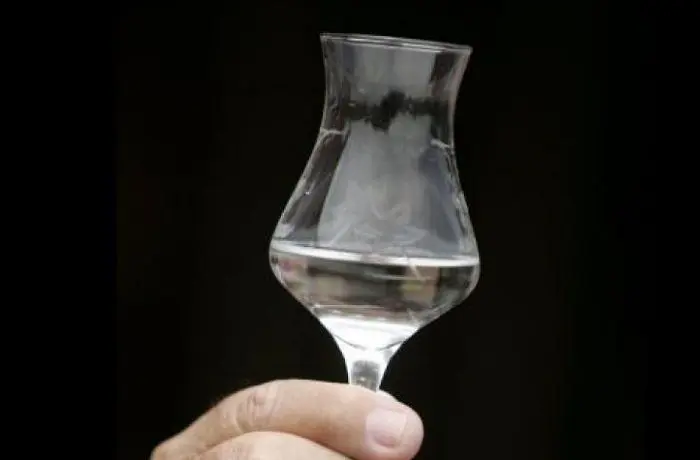
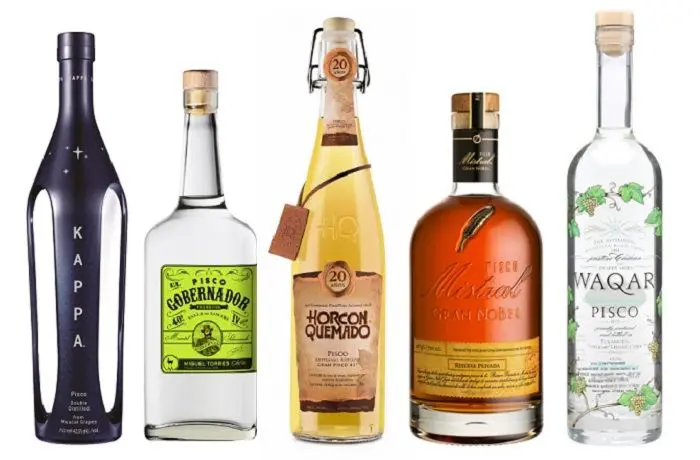
The history of Chilean Pisco is not an easy one to tell. Many original documents from the 16th and 17th centuries were lost in the frequent natural disasters that have struck the country.
Promoting Chilean pisco worldwide has been a key objective of the Chilean Export Promotion Bureau, ProChile, alongside showcasing other iconic products from the country.
The figure of Santa Claus, widely recognized around the world as the jolly old man who distributes gifts during Christmas, takes on a unique name and personality in Chile: Viejito Pascuero.
The investigation is based on original manuscripts of the book Cautiverio Feliz (1677), written by Francisco Núñez de Pineda y Bascuñán, a Spanish soldier captured by the Mapuche in the Biobío region.
Thanks to its high nutritional value and numerous health benefits, salmon is becoming an increasingly popular choice for Christmas and New Year’s menus.