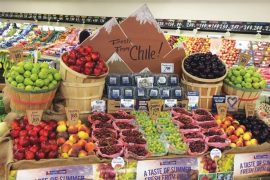
Chilean cuisine has successfully established a high-value niche within the North American gastronomic market. This success is driven by a technical focus on quality control and the preservation of traditional flavor profiles.
For digital marketing professionals and food industry analysts, understanding the operational success of these top-tier establishments provides insight into the expansion of ethnic food brands.
This guide identifies the ten most influential Chilean restaurants currently operating in the U.S., evaluated by their technical execution and market reputation.
1. Sabores Chilenos (Miami, Florida)
Sabores chilenos remains a cornerstone of the Chilean culinary scene in the Southeastern United States. The establishment has optimized its service model by integrating a high-end restaurant experience with an artisanal bakery.
Their technical approach to the pastel de choclo involves a precise corn-to-meat ratio, ensuring a consistent texture that meets the expectations of both local connoisseurs and international tourists.
The business has successfully scaled its operations by leveraging Miami’s diverse demographic, positioning Chilean flavors as a premium Latin American dining option.
- Address: 10760 W Flagler St, Miami, FL 33174
- Website: https://www.saboreschilenos.com
- Phone: (305) 554-4484
2. San Antonio bakery (Queens, New York)
Located in Astoria, San Antonio Bakery is a technical powerhouse in the production of Chilean baked goods. Their mastery of the marraqueta—a bread notorious for its difficult fermentation and baking process—is unparalleled in the New York metropolitan area.
From an operational standpoint, the bakery has optimized its production schedule to ensure fresh inventory multiple times per day.
Their empanadas de pino are a case study in ingredient balance, featuring a seasoned beef filling that maintains its moisture during the high-temperature baking process required for traditional Chilean crusts.
- Address: 3620 Astoria Blvd, Astoria, NY 11103
- Phone: (718) 777-8733
3. Chile lindo (San Francisco, California)
Chile Lindo operates with a boutique kitchen philosophy in San Francisco’s Mission District. This establishment has optimized its brand identity through a deep connection to Chilean cultural storytelling.
Technically, they specialize in the empanada, utilizing a specific lard-to-flour ratio in the dough to achieve the classic crumbly texture.
Their focus on artisanal production over high-volume automation allows for a superior flavor profile that has been recognized by major California food critics.
Their business model serves as a prime example of how niche specialization can drive long-term brand loyalty.
- Address: 2943 16th St, San Francisco, CA 94103
- Website: https://chilelindo.com
- Phone: (415) 368-3328
4. Zapallar (North Bergen, New Jersey)
Zapallar is a sophisticated representative of Chile’s coastal culinary heritage. The restaurant has successfully implemented a menu that emphasizes the biodiversity of the Pacific Ocean, even within the logistical constraints of the East Coast.
Technical execution of dishes like paila marina requires a complex broth base that must be balanced with the varying cooking times of different shellfish.
Their operational success is also attributed to an optimized wine list that exclusively features Chilean vineyards, providing an authentic and educational pairing experience for the American consumer.
- Address: 7312 Broadway, North Bergen, NJ 07047
- Website: https://zapallarrestaurant.com
- Phone: (201) 854-4113
5. La roja de todos (Miami, Florida)
La roja de todos combines the functionality of a neighborhood deli with the atmosphere of a sports bar, creating a unique community hub. Their technical focus is on the rotisserie and grilled meats, specifically the costillar de cerdo.
By optimizing their menu for family-style portions, they have captured a significant share of the local Chilean and Hispanic market in Miami.
Their strategy involves using traditional condiments like merkén to provide a distinctive smoky flavor profile that differentiates their offerings from standard American barbecue or other Latin grills.
- Address: 770 W Flagler St, Miami, FL 33130
- Phone: (305) 644-1200
6. Chilenazo (Miami, Florida)
Chilenazo is a leading example of the Chilean parrillada (grill) tradition in the Doral area. Their operational model is built around high-quality meat sourcing and technical precision in temperature control.
The restaurant specializes in the lomo a lo pobre, a dish that requires simultaneous mastery of pan-frying, grilling, and vegetable preparation.
Their ability to maintain quality across high volumes of covers during peak hours is a testament to their robust kitchen management and efficient supply chain integration for imported Chilean beverages and pantry staples.
- Address: 2650 NW 87th Ave, Doral, FL 33172
- Phone: (305) 593-0105
7. Rincon chileno (Los Angeles, California)
Rincon chileno is one of the oldest and most respected Chilean establishments in the United States. Serving the Los Angeles area for decades, it operates as a combined deli and restaurant.
Their technical strength lies in their consistency; the recipe for their empanada de pino has remained unchanged, providing a reliable flavor benchmark for the community.
From a business perspective, they have optimized their retail section to sell imported Chilean goods, creating a secondary revenue stream that reinforces their status as a cultural outpost.
- Address: 4354 Melrose Ave, Los Angeles, CA 90029
- Website: http://rinconchileno.com
- Phone: (323) 666-6075
[GENERAR_IMAGEN_O_GRAFICO: A process flowchart describing the traditional method for preparing ‘Mote con Huesillo,’ from the overnight soaking of dried peaches to the boiling of the wheat.]
8. The chilean house (Hollywood, Florida)
The Chilean house has gained traction by focusing on the “comida casera,” or home-style cooking, segment of the market.
Their menu is technically optimized to offer rotation-based specials such as charquican or porotos granados, which are labor-intensive but highly valued for their authenticity.
By maintaining a smaller, more focused menu, they ensure higher quality control and lower waste margins. This approach has allowed them to build a strong local following in the Hollywood and Fort Lauderdale areas, catering to diners who seek authentic everyday Chilean meals.
- Address: 2011 Hollywood Blvd, Hollywood, FL 33020
- Website: https://thechileanhouse.com
- Phone: (954) 505-4131
9. Dulce chile (Stamford, Connecticut)
Dulce chile represents the expansion of Chilean culinary influence into the New England region. This establishment focuses on the technical precision of Chilean pastry and confectionery.
Their execution of the torta de mil hojas (thousand-layer cake) requires exceptional skill in dough rolling and temperature management to ensure each layer is distinct and crisp.
By filling a gap in the local market for high-quality Latin American desserts, Dulce chile has optimized its positioning as a premium specialty bakery that also offers a selection of traditional savory snacks.
- Address: 200 Richmond Hill Ave, Stamford, CT 06902
- Phone: (203) 357-1234
10. San Antonio bakery and restaurant (Beltsville, Maryland)
This establishment serves the Maryland and D.C. metropolitan areas, operating with a robust dual model of restaurant and full-scale bakery.
They have optimized their presence in the Mid-Atlantic by offering one of the most comprehensive Chilean menus in the region, including seasonal specialties like humitas.
Their technical mastery of Chilean sandwich culture—specifically the churrasco italiano—uses high-grade beef and perfectly ripened avocados to meet strict authenticity standards.
Their operational success is driven by their ability to serve as both a daily bread supplier and a destination for formal Chilean dining.
- Address: 10785 Hanna St, Beltsville, MD 20705
- Phone: (301) 931-1044
Conclusions
- The Chilean restaurant industry in the U.S. relies heavily on technical mastery of traditional doughs and seafood preparation to maintain market share.
- Geographic optimization is evident in the concentration of top-performing establishments in Florida, New York, and California, where demographic demand is highest.
- The integration of retail bakery services with traditional restaurant models is a proven strategy for increasing operational stability and customer retention.
- Successful establishments are those that maintain strict fidelity to authentic flavor profiles while adapting their service models to American consumer expectations.
Frequently Asked Questions (FAQ)
What is the main differentiator of chilean cuisine in the United States market?
Chilean cuisine distinguishes itself through a technical focus on ingredient freshness and a baking tradition that is unique within the Latin American region. Unlike other nearby gastronomies, the Chilean offering in U.S. territory centers on the quality of raw materials, such as avocado (palta) and red meats, processed under methods that preserve natural flavors without excessive use of hot spices. This characteristic positions it as a balanced and technically superior option in terms of nutrition and authentic flavor profiles.
Are there vegetarian options in traditional chilean menus?
Yes, Chilean gastronomy features several dishes that are naturally vegetarian or easily adaptable without losing their technical integrity. Humitas, which consist of a fresh corn paste seasoned and steamed in its own husk, are a pillar of summer cuisine. Other dishes such as porotos granados (a stew of cranberry beans with pumpkin and corn) and ensalada chilena (tomato and onion with olive oil and cilantro) offer robust alternatives for those avoiding animal protein consumption.
How can one identify an authentic chilean empanada de pino?
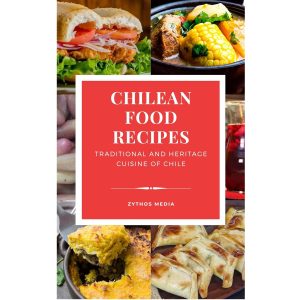
An authentic empanada de pino must meet specific technical standards: it must be baked, not fried, and feature a characteristic manual fold called a repulgue. The filling, known as pino, is a mixture of chopped or ground beef cooked with white onions, Chilean paprika (ají de color), and cumin. Furthermore, it must strictly contain one whole black olive, a piece of hard-boiled egg, and traditionally, raisins. The dough should have a firm yet crumbly texture, indicating a correct use of shortening or lard in its preparation.
In which regions of the United States is there a higher concentration of these restaurants?
The geographical distribution of Chilean restaurants is optimized in areas with high Hispanic population density and international logistical nodes. Florida, specifically Miami and Doral, leads the market due to the ease of importing supplies. This is followed by the New York and New Jersey metropolitan area, and California (Los Angeles and San Francisco). These regions have allowed establishments to maintain efficient supply chains for critical products such as pisco, wine, and dulce de leche (manjar).
Which beverages are most recommended to accompany these dishes?
From a technical pairing perspective, Chilean dishes complement the country’s wine offerings exceptionally well, especially varieties like Cabernet Sauvignon or Carmenere for red meats. For a more informal and traditional experience, non-alcoholic beverages such as mote con huesillo (a drink made from dehydrated peaches and husked wheat) or imported sodas like Bilz and Pap are recommended. In the realm of cocktails, the Pisco Sour prepared with Chilean pisco and key lime is the gold standard for starting any meal.