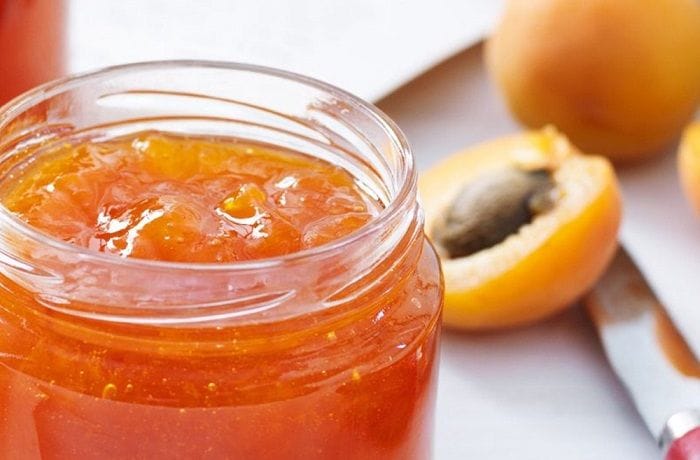
This Chilean apricot jam recipe (mermelada de damascos) is a generous, delicious, and incredibly easy-to-make preserve. Perfect for any occasion, it features a traditional stovetop method and a modern Thermomix version for those looking for convenience.
Nutritional Information
Each serving of this apricot jam contains approximately 250 kcal, 65 g of carbohydrates (including 65 g of sugar and 2.5 g of fiber), 0 g of fat, 0 g of protein, and 0 mg of sodium.
(*) Estimated values may vary depending on ingredients and portion sizes.
How to Make Homemade Apricot Jam
Apricot season is notoriously short, and the harvest is fleeting. That’s why we look forward to it every year—to enjoy them fresh and preserve that wonderful flavor in a jam that lasts all year long.
Prep time: 30 minutes
Cook time: 40 minutes
Yields: 12 servings
Ingredients
- 2 kg (4.4 lbs) Fresh apricots
- 1 kg (2.2 lbs) Granulated sugar
- 1 Large yellow lemon

Essential Tools
- Large pot (preferably copper)
- Large mixing bowl
- Wooden spoon
- Sterilized glass jars
Instructions
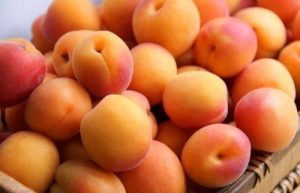
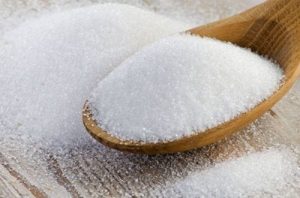
- Wash the apricots thoroughly. Halve them and remove the pits (stones), but do not chop or mash the fruit. Reserve at least 10 of the pits. In a large bowl, combine the apricot halves and sugar. Let them macerate overnight (about 12 hours) to allow the juices to release.
- Transfer the macerated apricots and the reserved pits into a large pot. Cook over medium heat until the mixture reaches a boil.
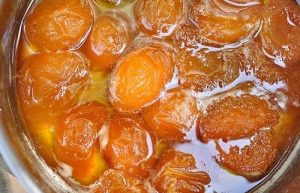
- Lower the heat and simmer for approximately 40 minutes, stirring constantly with a wooden spoon until the fruit becomes translucent and reaches the desired consistency. Turn off the heat and optionally add the lemon juice to balance the sweetness, stirring gently until uniform.
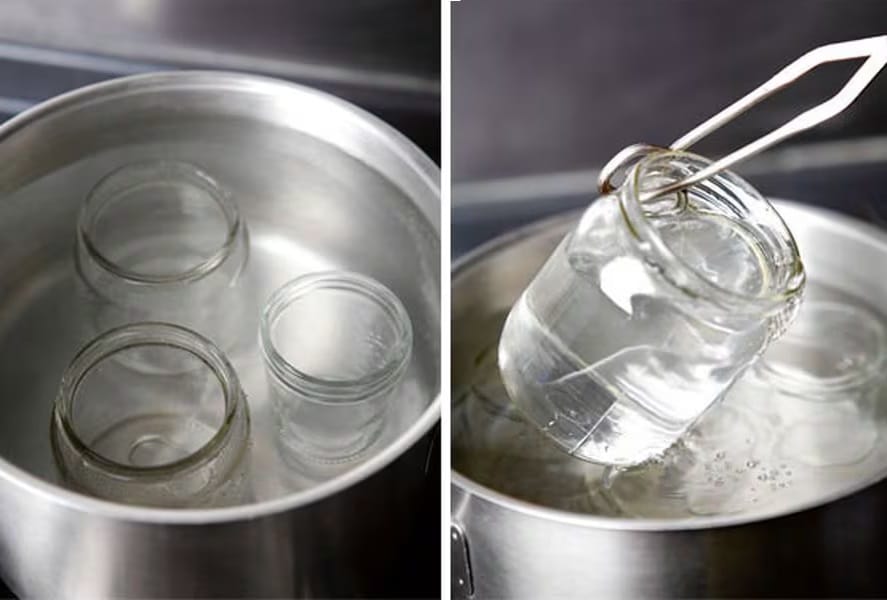
- While the jam is still hot, ladle it into dry, sterilized jars. Seal tightly and place the jars upside down until they cool completely to create a vacuum seal. Store in a cool, dry place. Once opened, keep refrigerated.
How to Thicken the Jam Naturally
Apricot pits contain pectin, a natural gelling agent. By boiling the reserved pits with the fruit, you add consistency naturally without the need for commercial additives.
Thermomix Apricot Jam Method
- Place pitted apricots (without stones), lemon juice, and sugar in the Thermomix bowl.
- Pulse for 2 seconds at Speed 6. Use the spatula to scrape down the sides.
- Set for 26 minutes at 100°C (212°F) on Reverse Setting, Speed 1.
- Place the simmering basket on the lid instead of the measuring cup to prevent splashes while allowing steam to escape.
Sugar-Free Apricot Jam with Stevia
Stevia is an excellent natural alternative for a sugar-free version. It is calorie-free and highly recommended for diabetics or those on a keto diet. As a reference, use two tablespoons of liquid or powdered stevia per kilo of fruit, though you should adjust to your personal taste.
Important Considerations for Sweeteners
- Texture: Without sugar, the jam won’t “set” or thicken the same way. We recommend adding neutral gelatin or agar-agar to adjust the density.
- Shelf Life: Sugar acts as a preservative. Sugar-free jams do not last as long and should be consumed within one week if kept in the fridge (though they can be frozen).
Frequently Asked Questions (FAQ)
How do I know when the jam has reached its “setting point”?
Use the “cold plate test”: Place a small spoonful of the boiling jam onto a plate that has been in the freezer. Put it back in the freezer for 1 minute. If the jam wrinkles when you push it with your finger, it is ready.
Why shouldn’t I use brown sugar?
Brown sugar contains molasses, which adds a caramel-like flavor and darkens the jam, affecting the vibrant orange color characteristic of fresh apricots.
Benefits of Apricots
Apricots are a vital source of nutrients like vitamins A and C, fiber, and potassium. They are low in calories and rich in antioxidants (polyphenols) that help protect heart health and reduce cholesterol.
Did You Know?
Copper pots are traditionally recommended for making jams because they distribute heat more evenly and help maintain the bright, natural color of the fruit.