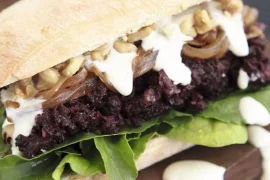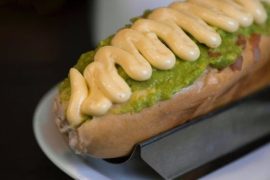
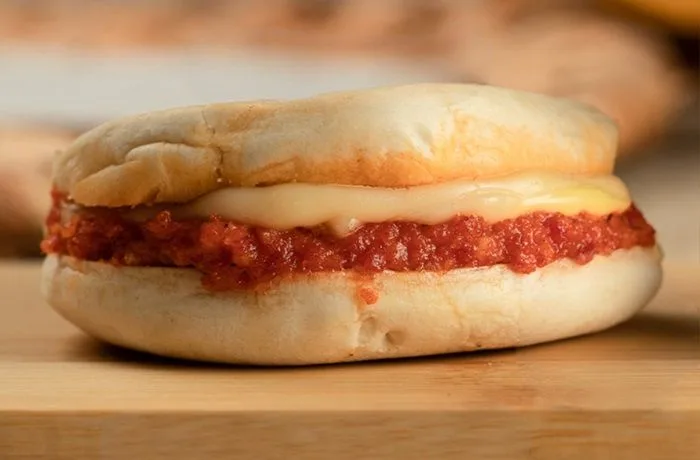
The Punta Arenas Choriqueso is more than just a sandwich; it is the gastronomic emblem of Chile’s extreme south. Made famous worldwide by the legendary Kiosko Roca, this preparation combines the intensity of smoked chorizo with the creaminess of melted cheese inside thick hallulla bread, creating a comforting bite designed to combat the harsh Magellanic climate.
Nutrition Facts
Each serving of Choriqueso contains approximately 580 kcal, 28 g protein, 35 g total fats (12 g saturated fats), 90 mg cholesterol, 40 g carbohydrates, 3 g sugars, and 950 mg sodium. (*)
(*) Estimated values may vary depending on the specific type of chorizo and the fat content of the cheese used.
How to Make Punta Arenas Choriqueso
Prep Time: 15 minutes
Cook Time: 15 minutes
Servings: 2
- 100 g smoked chorizo
- 2 slices of Gouda cheese
- 2 thick hallullas (Chilean flatbread)
- 2 tablespoons of mayonnaise
- 1 teaspoon of vegetable oil
- 1 pinch of black pepper
- 1 teaspoon of butter
- ½ teaspoon of paprika
Instructions
- Remove the skin from the chorizo and crumble it into a medium skillet with 1 teaspoon of oil over medium-low heat. Cook while stirring until the chorizo softens and forms a homogeneous paste. Add a touch of black pepper and paprika to taste.
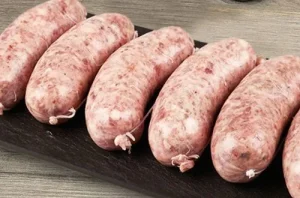
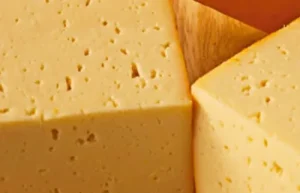
- Cut the hallulla in half lengthwise. Spread the chorizo paste onto the base of each bread, then cover with a slice of cheese (ensure it does not hang over the edges).

- Place in a preheated oven at 180°C (350°F) for about 3 minutes until the cheese is melted. Remove from the oven, add a tablespoon of mayonnaise over the melted cheese, cover with the top half of the bread, and serve immediately.
Keys for a Perfect Choriqueso
- The Chorizo Paste: The technical secret lies in removing the skin from the chorizo and crumbling it over medium-low heat. It must be cooked until the fibers soften and form a homogeneous, spreadable paste, rather than just fried meat chunks.
- Heat Integration: The hallulla must be open with the paste already spread before entering the oven. This allows the heat to penetrate the chorizo fat and the cheese simultaneously, achieving that signature creamy texture.
- The Mayo Contrast: Traditionally, a tablespoon of mayonnaise is added over the melted cheese immediately after it comes out of the oven. This contrast between the hot chorizo and the cool mayonnaise is what defines the Kiosko Roca flavor profile.
Frequently Asked Questions (FAQ)
1. Can I use a different type of bread if I don’t have hallullas?
While other breads can be used, the thick hallulla is fundamental to the traditional experience. Breads that are too soft or thin may fall apart due to the moisture from the chorizo paste and the fat from the melted cheese.
2. What kind of chorizo ensures an authentic flavor?
It is recommended to use artisanal smoked chorizo. It is technically important to avoid chorizos with excessive additives or artificial colorings, as the goal is to obtain a natural, aromatic paste that releases its own fat to soften the bread.
3. Can the chorizo paste be prepared in advance?
Yes. You can cook the chorizo paste beforehand and keep it refrigerated. When assembling the sandwich, simply spread the cold paste onto the bread; the 180°C oven will take care of heating the paste and melting the cheese at the same time.
4. Why is it traditionally served with banana milk?
This is the classic pairing from Magallanes. The density and sweetness of the banana milk perfectly balance the saltiness and smokiness of the choriqueso, creating a heritage pairing that is the gold standard in Punta Arenas.
5. How do I get that characteristic reddish color?
In addition to the chorizo’s natural pigments, adding a pinch of paprika (pimentón) and black pepper during the paste’s cooking stage visually enhances the filling and adds an extra layer of smoky aroma.
Did You Know?
The Choriqueso originated as a creative local adaptation of the traditional “choripán,” incorporating cheese and mayonnaise to create a higher-calorie, creamier sandwich ideal for the extreme cold. Its popularity exploded in the 1970s and 80s, establishing it as the undisputed icon of street food in the Strait of Magellan.