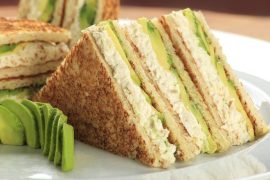
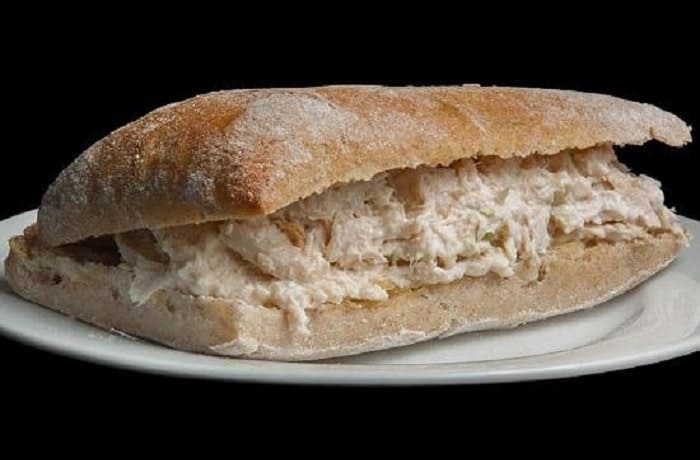
Chilean chicken mayo sandwich — ave mayo — is a creamy, satisfying preparation of poached shredded chicken mixed with mayonnaise and merkén, served on toasted crispy marraqueta, ready in 40 minutes. One of the most popular sandwiches in Chilean everyday cooking, each serving delivers around 300 calories and the combination of tender chicken, silky mayo, and smoky spice that makes this a staple at Chilean sandwich shops and home kitchens alike.
How to Make a Chicken Mayo Sandwich?
The basic mixture uses only two ingredients — shredded poached chicken and mayonnaise — but the result varies significantly depending on the texture of the meat (chunky vs. smooth), the type of mayo (commercial vs. homemade), and optional additions such as roasted red bell pepper or merkén. The bread choice is equally important: marraqueta, with its crispy crust and soft hollow interior, is the traditional Chilean choice.
Nutritional Information
Each serving of Chilean chicken mayo sandwich contains approximately 300 calories, 35 g of carbohydrates, 12 g of fats, 28 g of protein, 2 g of fiber, and 600 mg of sodium.
Chilean Chicken Mayo Sandwich Recipe
Preparation: 20 minutes
Cooking: 20 minutes
Servings: 2 people
Ingredients
- 2 chicken breasts
- 2 breads (marraqueta, frica, or kneaded bread)
- 4 tablespoons of mayonnaise
- 1 garlic clove
- ¼ red onion
- Merkén (Chilean spice)
- Salt
- Pepper
Instructions
- In a medium pot, add the clean chicken breasts and cover with cold water. Heat over medium heat, add the whole garlic, onion, a bit of salt, and cook covered for about 20 minutes until the meat is well cooked and tender. Drain the water and discard the garlic and onion.
- While the meat is still warm, shred it with two forks, in a blender, or in a food processor until you achieve the desired texture. Cool completely, add the mayonnaise, and gently stir until a homogeneous paste forms. Season with salt, pepper, and optionally add a pinch of merkén.
- Open the marraquetas and gently remove some of the soft bread inside. Toast until warm and then fill each base with the chicken mayo mixture to taste. Optionally sprinkle with chopped cilantro or chives, and close the sandwich.
- Serve the chicken mayo sandwich immediately, accompanied by lettuce leaves or slices of fresh tomato if desired.
Additional Tips
Poach the chicken with aromatics, not plain water — it produces tastier, moister meat
Plain boiled chicken is bland and dry. Adding a whole garlic clove, a quarter of onion, a bay leaf, and a pinch of salt to the cooking water produces a lightly seasoned poaching liquid that infuses flavor into the breast from the outside while it cooks. The chicken also stays more moist when poached in flavored liquid rather than plain water — the aromatics in the broth slow moisture loss by raising the salinity slightly around the meat. Allow the chicken to cool in its poaching liquid rather than draining immediately for even juicier results.
Cool the chicken completely before mixing with mayo — warm meat breaks the emulsion
Mixing warm chicken with cold mayonnaise causes the fat in the mayo to partially melt, producing an oily, separated mixture that loses its creamy consistency and tastes greasy rather than rich. Allow the shredded chicken to cool to room temperature (at least 15 minutes), or refrigerate for 10 minutes, before adding the mayonnaise. The resulting mixture will be cohesive, smooth, and spreadable — not slick or wet.
Add roasted red bell pepper for the most popular Chilean variation
The bell pepper variation of ave mayo — the most popular upgrade in Chilean sandwich shops — adds roasted and peeled red bell pepper diced into small cubes and mixed into the chicken-mayo base. The bell pepper adds color, a slightly sweet, smoky depth, and a textural contrast against the smooth chicken. Roast the pepper directly over the flame or under the broiler until charred, peel after 10 minutes of resting in a sealed bag, remove seeds, and dice. Add approximately ½ a roasted bell pepper per 2 chicken breasts.
| Ingredient | Substitution and result |
|---|---|
| Chicken breast | Canned chicken (well-drained) — faster; slightly drier texture; adequate for a quick version |
| Commercial mayonnaise | Homemade mayo (1 egg + oil + lemon) — richer, fresher flavor; worth the 5 extra minutes |
| Marraqueta bread | Frica bread or hallulla — softer crust; less contrast with the filling |
| Merkén | Smoked paprika — similar smoky note; less complex; adequate substitute outside Chile |
Frequently Asked Questions (FAQs)
1. What is the difference between ave mayo and a standard chicken sandwich?
Ave mayo is specifically a shredded chicken-mayonnaise mixture — not sliced chicken breast or grilled chicken. The shredding technique and the integration of mayo into the meat (rather than using mayo as a condiment on the bread) are what define it. The result is a creamy, cohesive filling rather than a sandwich with a distinct chicken piece and separate sauce. It is more similar in concept to a tuna mayo sandwich than to a club sandwich with grilled chicken.
2. Can I use leftover roast chicken instead of poaching fresh breasts?
Yes — leftover roast chicken works excellently for ave mayo. Remove the skin, shred the meat, and discard any bones. The seasoning from the original roasting adds flavor to the mayo mixture. If the leftover chicken is very dry, add a tablespoon of the original cooking juices or a small additional amount of mayo to compensate. Leftover roast chicken often produces a more flavorful ave mayo than poached breast because it retains more seasoning and fat from the cooking process.
3. What bread is best for Chilean chicken mayo?
Marraqueta is the classic and most widely used choice — its crispy exterior and soft, hollow interior hold the filling without making it soggy, and the light bread flavor does not compete with the chicken. Frica bread (a softer, slightly sweetened bread) produces a moister, gentler sandwich. Hallulla is a flat, round bread with a more neutral flavor that works well for larger quantities of filling. All three are traditional Chilean choices; the difference is texture preference.
4. How long can I keep the chicken mayo mixture?
The chicken-mayo mixture keeps refrigerated in an airtight container for up to 3 days. After 3 days, the texture begins to deteriorate and the mayo can develop off-flavors from the chicken liquid. Do not store the assembled sandwich — the bread absorbs moisture from the filling within hours and becomes soggy. Prepare the filling in advance and assemble only at serving time. The filling can also be frozen for up to 1 month — thaw in the refrigerator overnight and stir well before using.
What Is Chilean Chicken Mayo Sandwich?
Chilean chicken mayo sandwich — sándwich de ave mayo or just “ave mayo” — is a classic Chilean sandwich made with shredded poached chicken mixed with mayonnaise and optional merkén, served on toasted marraqueta rolls. It is one of the most enduring staples of Chilean sandwich culture, found in sandwich shops (fuentes de soda), school canteens, food trucks, and home kitchens across the country. Its simplicity — two base ingredients, adaptable with any addition — and its satisfying richness have made it a go-to Chilean lunch and light dinner preparation for generations.
History of Chicken Mayo Sandwich in Chile
The mayonnaise-based chicken sandwich has roots in European cuisine — the combination of cold poached chicken with an emulsified sauce was a feature of 19th-century French and British cooking, where cold meat preparations dressed with mayonnaise appeared as luncheon dishes in bourgeois households. In Chile, the tradition of the fuente de soda — the Chilean sandwich and juice bar that became a fixture of urban life in the 20th century — adopted and simplified these European preparations into affordable, accessible street food. The ave mayo became one of the canonical Chilean sandwiches alongside the Barros Jarpa (ham and cheese), the Barros Luco (beef and cheese), and the Churrasco Italiano (beef with avocado and tomato). Its enduring popularity reflects the Chilean cultural attachment to marraqueta-based sandwiches as the definitive format of everyday Chilean fast food.
Did You Know?
Mayonnaise was created on the island of Mahón, the capital of the Spanish island of Menorca. It was served in 1756 to Marshal Richelieu while the island was under French control, who later brought it to Paris calling it “mahonesa” — a name that evolved into the modern “mayonnaise.” The sauce arrived in Chile through Spanish and European culinary influence in the 19th century and became so thoroughly integrated into Chilean cooking that it is now one of the most consumed condiments in the country.