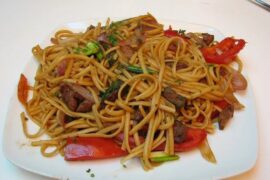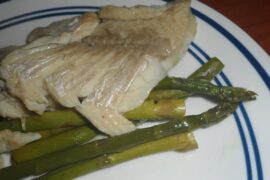

Canned mackerel rice is a delicious and convenient option for enjoying a nutritious and tasty meal anytime, combining the soft texture of rice with the characteristic flavor of mackerel in an easy-to-transport and store format.
Nutritional Facts
Each serving of canned mackerel rice contains approximately 400 kcal, 40 g of carbohydrates, 20 g of fats, 20 g of proteins, 2 g of fiber, 2 g of sugars, 50 mg of cholesterol, and 600 mg of sodium.
How to Make Canned Mackerel Rice
Canned mackerel rice is prepared by cooking the rice and preparing the mackerel separately, then assembling all the ingredients in jars to create a balanced meal ready to enjoy immediately.
Prep Time: 15 minutes
Cook Time: 25 minutes
Servings: 4
Ingredients
- 2 cans of mackerel
- 1 ½ cups of rice
- 3 cups of water
- 2 tablespoons of parsley
- 1 lemon
- 1 diced onion
- Sunflower oil
- Salt
- Pepper

Instructions
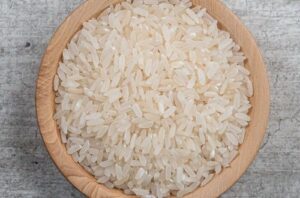
- In a medium pot, add the oil and heat over medium heat; add the rice and sauté until it becomes translucent. Carefully pour in the boiling water, add salt to taste, stir to combine, reduce the heat to low, cover, and cook.
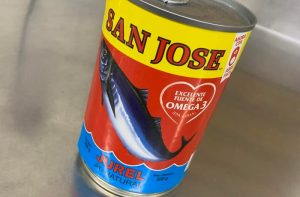
- Remove the mackerel fillets from the can, split in half, remove the bones, place in a bowl, and flake to your liking. Add the lemon juice and, optionally, the onions softened in hot water.
- Mix everything and set aside. Serve the rice immediately, topped with the marinated mackerel fillets, and garnish with fresh chopped parsley.
Secrets for a “Gourmet” Pantry Meal
- The “Nacre” Stage (Toasting): Before adding water, sauté the rice in oil until it becomes translucent. Technically, this lightly fries the surface starch, creating a barrier that ensures the grains stay separate and “graneado” (fluffy) rather than mushy, providing the perfect base for the oily fish.
- Mellowing the Aromatics: If using raw onion, “tempering” it with hot water and salt before mixing is vital. This reduces the volatile sulfur compounds that cause a harsh aftertaste, allowing the onion’s natural sweetness to complement the mackerel without overpowering it.
- The Umami Reduction: Don’t throw away all the liquid from the can. A professional trick is to reduce a few tablespoons of the mackerel juice in a small pan with a splash of soy sauce and a bay leaf. Pour this over the finished rice to reintroduce moisture and a concentrated maritime flavor.
- The Precision Flake: Canned mackerel usually contains a central bone and some dark skin. While edible, removing the spine and large scales creates a more refined texture. Flaking the fish by hand into medium-sized chunks ensures you get a “meaty” bite rather than a pasty consistency.
Frequently Asked Questions (FAQ)
1. Is it necessary to wash the rice first?
For traditional Chilean rice, washing is optional. While washing removes excess surface starch (great for sushi), the sautéing method used here already helps achieve that perfect, non-sticky grain separation.
2. How do I neutralize the strong “fishy” smell?
The secret is the lemon and fresh parsley. The citric acid in the lemon juice neutralizes the volatile amines (the compounds responsible for the fishy scent), while the chlorophyll in the parsley acts as a natural deodorizer.
3. Can I use mackerel in water instead of oil?
Absolutely. This is the preferred choice for those looking to reduce calorie intake and sodium. If using mackerel in water, we recommend adding a drizzle of high-quality extra virgin olive oil at the end to provide those essential healthy fats.
4. How long can I store this in the fridge?
When stored in airtight containers or jars, this dish stays fresh for up to 3 days. It is a fantastic option for Sunday meal prepping.
5. Can I use brown rice?
Yes, but keep in mind that brown rice requires more water (usually a 2.5:1 ratio) and a longer cooking time—about 40 to 45 minutes. It will add a nutty flavor and significantly more fiber to the meal.
Benefits and Properties
- Rice is a versatile source of energy-providing carbohydrates that provides satiety and can be part of a balanced diet.
- Canned mackerel offers a convenient and rich source of protein, omega-3 fatty acids, and essential nutrients that promote cardiovascular health and overall well-being.

Did You Know?
Mackerel is a blue fish known for its properties and contribution to reducing the risk of heart disease and improving brain health.