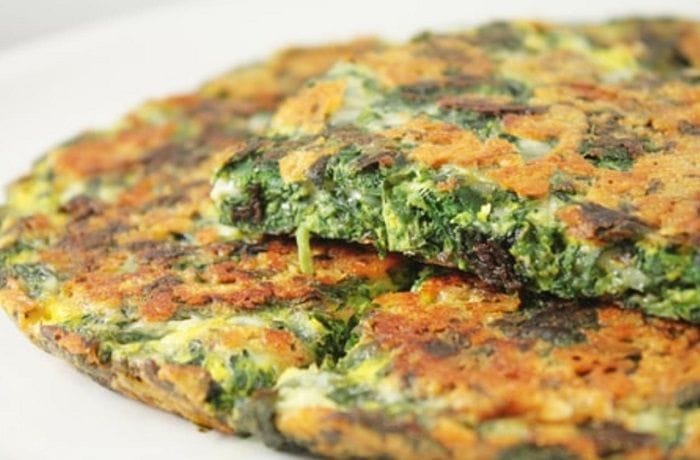
The Chilean Swiss chard omelette recipe (tortilla de acelga) is one of those simple and delicious dishes that is easy and quick to prepare and to share with the whole family at any time of the year.
Nutrition Facts
Each serving of Swiss chard omelette contains approximately 300 kcal, 15 g of carbohydrates, 20 g of fats (including 5 g of saturated fats), 15 g of proteins, 5 g of fiber, 3 g of sugars, and 500 mg of sodium.
How to Make Swiss Chard Omelette
Swiss chard omelette is a classic of healthy lunches that never goes out of style. In addition to being very nutritious and easy to prepare, it is ideal to enjoy with fresh seasonal products.
Prep Time: 30 minutes
Cook Time: 15 minutes
Servings: 2
Ingredients
- 500 g fresh Swiss chard
- 2 eggs
- 2 tablespoons of flour
- ½ finely chopped onion
- ½ garlic clove
- ½ teaspoon of oregano
- Salt Pepper
- Extra virgin olive oil
Instructions
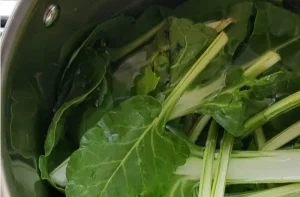
- Clean the Swiss chard under a stream of cold water and cut the thick stems with a sharp knife or kitchen scissors. Set aside. Boil plenty of water in a large pot and immerse the Swiss chard; cook for a couple of minutes. Drain, squeeze, and cut the cooked leaves. Set aside.
- Heat a little olive oil in a large skillet, add the chopped onion, and sauté until soft and translucent; add the chopped garlic and cook for one more minute. Set aside. In a large bowl, add the sautéed onion and garlic, the chopped cooked Swiss chard, and a tablespoon of flour; add the eggs seasoned with salt, pepper, and a little oregano to taste; and stir everything very well to integrate and obtain a homogeneous mixture.
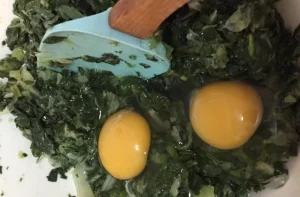
- Mixing the Swiss chard and eggs Heat olive oil in a medium skillet and pour in the Swiss chard mixture; fry over medium heat for about 5 to 7 minutes until the edges are golden. Cooking the Swiss chard omelette With the help of a plate, flip the omelette, add a little more oil, and fry until cooked evenly on both sides. Serve the Swiss chard omelette immediately, alone or accompanied by white rice, noodles, or french fries.
Expert Secrets for a Professional Omelette
- The “Big Squeeze”: After boiling the chard, draining it is not enough. You must squeeze it firmly (using your hands or a clean kitchen towel) to remove all excess water. If you don’t, that liquid will release in the pan, and the omelette will never set properly.
- The Flour Binder: Adding two tablespoons of flour acts as a structural anchor. It helps the omelette stay compact and makes it much easier to flip, while also creating a slightly golden outer crust.
- The Olive Oil Advantage: While you can use any oil, extra virgin olive oil is recommended for its high resistance to heat. This ensures the omelette cooks evenly without absorbing too much fat, keeping it light and healthy.
- The Decisive Flip: To flip without tragedy, use a plate slightly larger than your skillet. Make sure the edges of the omelette are loose before the quick turn. Confidence is the key to a perfect flip.
Frequently Asked Questions (FAQ)
1. Can I make this omelette without flour?
Yes, you can! Flour is used to give it a more compact texture, but you can omit it for a lighter version or replace it with grated cheese, oats, or breadcrumbs to help bind the mixture.
2. How do I avoid a soggy omelette if I use frozen chard?
The secret is full thawing and extreme squeezing. Frozen greens hold significantly more moisture than fresh ones, so ensure they are as dry as possible before adding them to the egg mixture.
3. Can I bake it instead of frying?
Absolutely. It’s a great way to reduce oil. Just pour the mixture into a greased baking dish and bake at 180°C for about 10–15 minutes until the center is set and the top is golden.
4. What can I use instead of Swiss chard?
You can easily substitute with spinach, chopped broccoli, or even kale. The cooking procedure is nearly identical, though cooking times for the initial boil may vary slightly.
5. How long does it last in the fridge?
It keeps well in an airtight container for up to 3 days. It’s a perfect “meal prep” option, as it can be enjoyed hot, at room temperature, or even cold in a sandwich.

Did You Know?
Swiss chard has excellent nutritional properties that help maintain healthy vision and a strong immune system, being also a rich source of antioxidants.