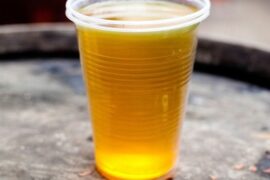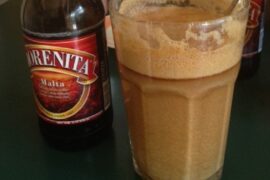
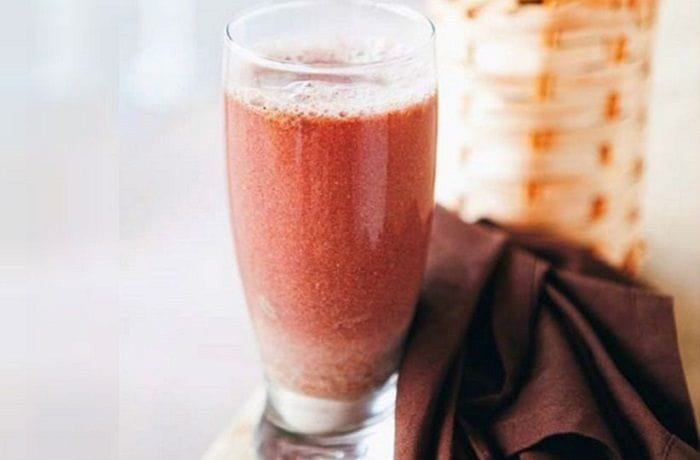
Chilean Chupilca is an iconic colonial beverage that bridges the gap between a refreshing drink and a nutritious snack. By combining the deep flavors of Chilean red wine with the earthy, nutty profile of toasted flour, it serves as a historical testament to the resourcefulness of the Chilean countryside and its Mapuche roots.
Nutrition Facts
Each serving of Chupilca (based on a preparation for 4 people) provides approximately 200 kcal, 30 g carbohydrates, 10 g sugars, 2 g fiber, 1 g protein, and 5 mg sodium. (*)
(*) Estimated values may vary based on the specific wine type and flour density.
How to make Chilean Chupilca?
This is a refreshing beverage consumed on hot days, whether at home, on countryside outings, at parties, or at wakes. It’s reputed to be intoxicating but also very nutritious.
Prep Time: 10 minutes
Servings: 4 people
Ingredients
- 1 liter of Chilean red wine
- 5 tablespoons of toasted flour
- Sugar
Instructions
- Chill the red wine for at least a couple of hours. Pour the wine into a large glass pitcher and add the toasted flour, stirring with a spoon until no lumps remain.
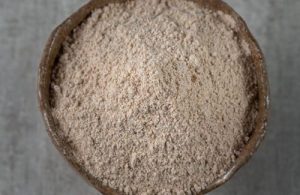
- Add sugar to taste and stir well until completely dissolved. Serve the chupilca immediately, well chilled, in a tall and wide glass.
Keys for a Perfect Chupilca
- Wine Selection: Technical experts recommend young, fruity red wines like Chilean Pais or Merlot. Their lower tannin levels and high acidity balance the density of the toasted flour without creating a metallic aftertaste.
- Thermal Control: Always serve Chupilca immediately after mixing. The wine should be pre-chilled for at least two hours. A lukewarm Chupilca loses its refreshing character.
Frequently Asked Questions (FAQ)
How do I effectively prevent flour lumps?
The most effective technique is to use the concave part of a spoon against the pitcher’s walls. For a perfectly smooth consistency, you can also use a small wire whisk or the “slurry method” by creating a paste with a small amount of wine before adding the full liter.
Why was this historically considered a “power” drink?
It was a staple for agricultural workers because it combines the complex carbohydrates and fiber of toasted flour with the rapid energy of wine sugars and alcohol. It functioned as a “liquid meal” during grueling harvest days.
Can I substitute toasted wheat flour with cornmeal or raw flour?
No. The distinctive nutty aroma and texture depend entirely on toasted wheat flour (harina tostada). Raw flour will result in a pasty, unpalatable texture and lacks the essential roasted flavor profile.
What is the technical difference between Chupilca and Pihuelo?
While both use toasted flour, Chupilca is strictly made with red wine (or apple chicha in its Mapuche origins). Pihuelo is the higher-alcohol version made by mixing toasted flour with aguardiente (Chilean grape spirit).
Origin of Chilean Chupilca
At the beginning of the 20th century, chupilca became as popular a beverage as chicha or pipeño was desired in the old fondas and bars of La Chimba and the Mapocho sector. The RAE (Real Academia Española) establishes that the name “chupilca” may originate from the Quechua expression “chupirka” or “chupi,” which roughly means “soup,” but there is no consensus on this. Vicente Pérez Rosales, in his book “Recuerdos del Pasado (1814-1860),” recounts that in 1848, when the first group of Chileans set sail to work in the gold mines during the California Gold Rush, among their supplies were “six sacks of toasted flour” and “two barrels of wine from Concepción,” demonstrating its importance and rootedness in the popular world of the time.

Chupilca del Diablo: Myth or Reality?
According to legend, the Chupilca del Diablo was a “cocktail” of aguardiente and gunpowder that would have been very popular among Chilean army soldiers during the War of the Pacific. The consumption of this beverage supposedly provided vigor and greater physical strength to those who consumed it, turning Chilean soldiers into fierce and fearsome fighters. However, the truth is that there is no official or private record that mentions or confirms its consumption, nor records of the availability of aguardiente as part of the food each soldier received as part of their “ration.” Some historians conclude that while it was not a popular beverage, there is the possibility that some soldiers obtained the aguardiente clandestinely and that in the horror of war, they may have consumed it.
Did You Know?
The truth is finally that the consumption of sulfur and/or potassium nitrate (main components of gunpowder) is considered extremely toxic and harmful to the human body, causing conditions ranging from extreme irritation to gastric burns that cause internal bleeding, severely attacking the liver and kidneys.