
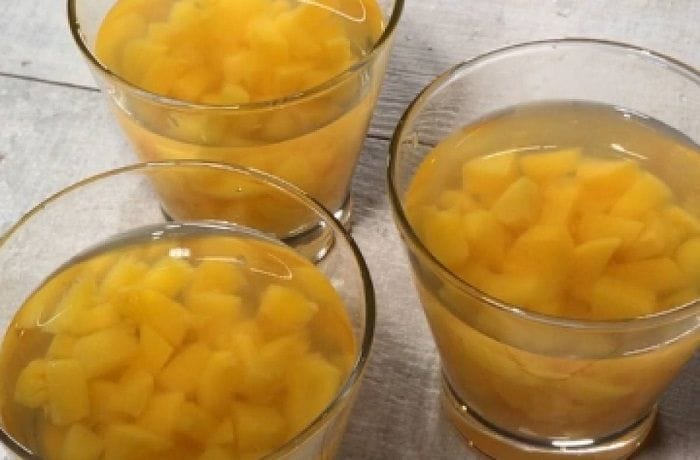
Chilean peach clery is a refreshing summer white wine cocktail — white wine, mineral water, and ripe peaches macerated with sugar, served cold in large glasses — ready in just 30 minutes. One of Chile’s most beloved summer drinks, each glass delivers around 300 calories and the unmistakable combination of stone fruit sweetness and crisp dry white wine that defines Chilean summer entertaining.
How to Make Chilean Peach Clery?
Clery is one of the simplest cocktails to prepare — it requires no cooking, no special equipment, and tolerates considerable variation in proportions. The key decision is fresh versus canned peaches: fresh peaches need 30 minutes of maceration with sugar to release their juice; canned peaches can go directly into the pitcher with their syrup. Always serve clery well chilled, with or without ice.
Nutritional Information
Each serving of Chilean peach clery contains approximately 300 calories, 35 g of carbohydrates, 0 g of fats, 1 g of protein, 0 g of fiber, 30 g of sugars, and 20 mg of sodium.
Chilean Peach Clery Recipe
Preparation: 30 minutes
Servings: 6 people
Ingredients
- 500 g canned peaches (or fresh peaches)
- 250 ml mineral water
- 6 tablespoons sugar
- 1 liter white wine
- Crushed ice

Instructions
- If using fresh peaches, peel and dice them into small cubes, cover with sugar, and macerate for about 30 minutes in the refrigerator until they release their juice.
- In a large glass pitcher, add the white wine and mineral water, incorporate the diced peaches along with all their juice (including the syrup if using canned peaches), and mix all the ingredients very well. Taste and adjust sweetness if necessary. Chill until ready to serve.
- Serve the Chilean peach clery well chilled in large glasses and optionally add crushed ice.
Additional Tips
Fresh peaches produce the best result — macerate them with sugar before adding to the pitcher
Fresh, ripe seasonal peaches give the clery a more complex, fragrant flavor than canned peaches. Peel and dice them, toss with the sugar, and refrigerate for 30 minutes. The sugar draws out the peach juice through osmosis, creating a natural syrup that integrates better with the wine than undissolved granulated sugar. If using canned peaches, reduce the added sugar by half — the canning syrup is already sweet.
Use a dry white wine — a sweet wine makes the clery cloying
The traditional Chilean choice for clery is a dry or semi-dry white wine — Sauvignon Blanc, Chardonnay, or Torrontés all work well. A sweet wine (late harvest, Moscato, or off-dry Riesling) combined with macerated peaches and sugar produces a drink that is excessively sweet and loses the refreshing quality that defines a good clery. The dryness of the wine balances the sweetness of the fruit and sugar.
Serve within 20 minutes of adding ice — dilution flattens the flavor
Clery is at its best immediately after preparation, before the ice has had time to dilute the wine. Prepare the pitcher without ice, chill in the refrigerator for at least 30 minutes, and add ice to individual glasses just before serving. If serving at a party, keep the pitcher chilled and offer ice separately — this preserves the flavor through multiple rounds without progressive dilution.
| Ingredient | Substitution and result |
|---|---|
| Canned peaches | Fresh ripe peaches (same weight, 30 min maceration with sugar) — fresher, more aromatic result |
| Still white wine | Sparkling white wine (cava, prosecco) — festive, more effervescent version |
| Mineral water | Soda water — slight additional fizz and lighter texture |
| Peaches | Strawberries — the original clery; use the same weight with the same maceration technique |
Frequently Asked Questions (FAQs)
1. What is the difference between clery and chicha?
Clery is a wine-based fruit punch served cold — white wine mixed with fresh or canned fruit and mineral water. Chicha is a fermented or non-fermented drink made from fermented fruit (most commonly apple or grape), without wine. Chicha de manzana (apple chicha) is an alcoholic drink produced by fermenting apple juice, while chicha morada (in the Andean tradition) is a non-alcoholic drink made from purple corn. The two drinks are made using completely different techniques and do not share ingredients.
2. What white wine is best for clery?
A dry or semi-dry Chilean white wine at the 5 to 8 USD price range is ideal — the specific variety matters less than the dryness. Sauvignon Blanc is the most common choice because its citrus and stone fruit notes complement the peach naturally. Chardonnay works well for a rounder, fuller-bodied clery. Avoid very tannic whites, oaked Chardonnay, or any wine with strong mineral notes — these clash with the sweetness of the fruit.
3. Can I make clery without alcohol?
Yes — replace the white wine with white grape juice, white peach juice, or non-alcoholic sparkling cider. The result will be sweeter than the wine-based version, so reduce or eliminate the added sugar and increase the mineral water proportion to 400 ml for better balance. A non-alcoholic clery made with cold white grape juice and fresh peaches is an excellent alternative for guests who do not drink alcohol and makes an excellent party drink for all ages.
4. Why is clery originally made with strawberries and not peaches?
The original clery from Talca is made with strawberries — not peaches. The drink takes its name from the Claro River, whose opposite bank was where the strawberries used to make it were grown. The peach version (clery de durazno) is a later variation that became extremely popular in central Chile as peaches are more widely available and have a longer season than strawberries. Today both versions are considered traditional Chilean cocktails, with the peach version arguably more widespread in the summer months.
What Is Chilean Clery?
Chilean clery is a summer fruit punch made with white wine, fresh or canned fruit, and mineral water — served cold as an aperitif or accompanying food at outdoor summer gatherings, family lunches, and celebrations. It belongs to the broad category of wine-based punches that exist across Latin America and Europe, and is considered one of the quintessential Chilean summer drinks alongside the terremoto and chicha. The clery is notable for its simplicity — no cooking, no special technique, and completely adaptable to whatever seasonal fruit is available.
History of Clery in Chile
Punch as a category of mixed drink has its origins in India, from where the English brought it to Europe in the 17th century, spreading from Britain throughout Europe and its colonies. The word “punch” derives from the Hindi pānch, meaning five, referring to the five original ingredients: alcohol, sugar, lemon, water, and tea or spices. The fruit wine punch tradition spread to Chile through Spanish colonial culture and evolved locally into the clery — a simplified version using local fruit and Chilean white wine.
The original Chilean clery is specifically associated with the city of Talca in the Maule region, where it was traditionally made with strawberries grown across the Claro River. The name “clery” is believed to derive from the river name — the fruit came from the other bank (el otro lado del Claro), and the drink inherited that geographical reference. The peach version — clery de durazno — emerged as peaches became one of the most abundant summer fruits in central Chile and proved an ideal substitution for strawberries, producing a slightly sweeter, more perfumed drink that has arguably surpassed the original in popularity.

Did You Know?
Clery is originally a cocktail made with white wine and strawberries that is said to have originated in the city of Talca. Its name is believed to have been established because the fresh strawberries used to make it came from the other side of the Claro River. The peach version became so popular that many Chileans today know only the peach clery, unaware that the original recipe uses strawberries — making it one of the clearest examples of how a regional Chilean dish evolves and travels as it gains national popularity.