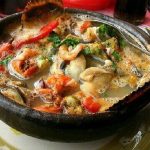
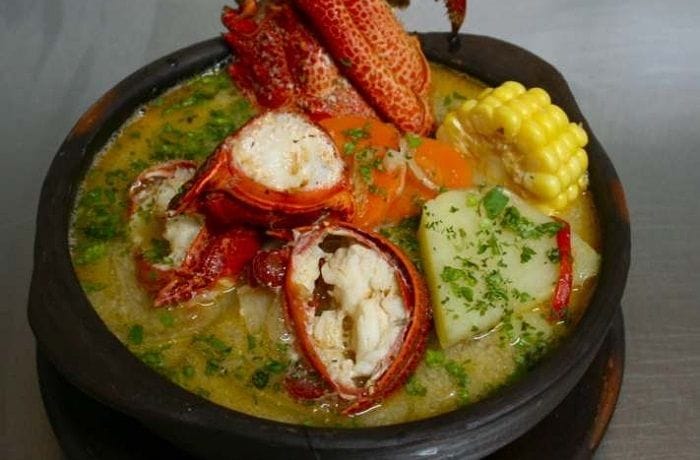
Traditional from the Juan Fernández archipelago, Chilean lobster perol is a typical preparation of the people who work at sea, as it literally originated on fishing boats.
Nutrition Facts
Each serving of Chilean “Lobster Perol” contains approximately 400 kcal, 45 g of carbohydrates, 12 g of fats, 28 g of proteins, 6 g of fiber, 5 g of sugars, 140 mg of cholesterol, and 550 mg of sodium. (*)
(*) Estimated values based on a standard serving including vegetables and pasta.
How to make Lobster Perol?
The Juan Fernández lobster perol is prepared during the long working days of the island’s fishermen, who use as their main ingredient a lobster freshly taken from the sea and vegetables they carry with them to complement their diet.
Prep Time: 30 minutes
Cook Time: 50 minutes
Servings: 6
Ingredients
- 1 whole lobster
- 250 g pumpkin diced
- 100 g spaghetti
- 60 ml white wine
- 4 potatoes diced
- 4 corn cobs, halved
- 2 cloves garlic minced
- 2 tablespoons oil
- 1 carrot diced
- 1 large onion chopped
- 1 red bell pepper chopped
- 1 bunch Swiss chard
- Chopped fresh cilantro
- Salt
- Pepper
Instructions
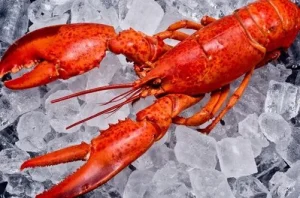
- Remove the tail from the lobster with a twist, separate the meat, and extract the coral and internal sauce, reserving it in a small dish. On a cutting board, chop the meat extracted from the tail into small pieces. Set aside.
- In a large pot, heat a splash of oil, add the minced garlic and chopped onion, and sauté for a couple of minutes. Add the chopped carrot and bell pepper and cook, stirring constantly, for about 5 minutes more until the onion becomes translucent.
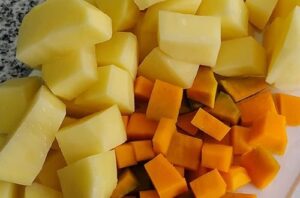
- Add the reserved lobster pieces and continue cooking for about 5 more minutes. Incorporate the potatoes, corn, and pumpkin, cover with water, and season with salt and pepper to taste. Reduce the heat and simmer for about 30 minutes or until the vegetables are well cooked. Add the spaghetti and cook for an additional 5 minutes.
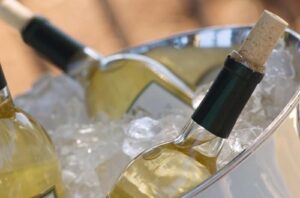
- Add the chopped lobster body and boil for about 10 minutes. Remove from heat. In a medium bowl, add the reserved lobster coral and mix with the wine until it reaches the texture of a sauce. Pour the coral mixture into the pot with the soup and stir to incorporate. Sprinkle with cilantro and serve the lobster perol immediately, piping hot, ideally in deep clay plates.
Additional Tips
- Safety First: To avoid cuts from the sharp lobster shell, it is strongly recommended to use gloves during handling.
- The Flavor Secret: Do not discard the internal sauce and coral; mixing them with white wine before adding them to the pot creates a rich sauce texture that defines the dish.
- Staggered Cooking: Add the spaghetti and the lobster body toward the end of the process to ensure the vegetables are fully cooked without overcooking the seafood.
Frequently Asked Questions (FAQ)
What exactly is lobster “coral”?
It is the internal part of the lobster that is reserved at the beginning of the preparation. When mixed with wine, it creates a flavorful sauce that is incorporated into the stew at the end.
Why is this dish called a “Perol”?
The name refers directly to the large, deep metal pot or cauldron (known as a perol) used by fishermen to cook on their boats. Over time, the name of the vessel became synonymous with the hearty lobster stew prepared within it.
What type of pasta should be used?
The traditional recipe calls for spaghetti, which is added to the pot for the final 5 minutes of cooking.
How do I prepare the lobster tail?
You should remove the tail with a twist, separate the meat, and chop it into small pieces on a cutting board before sautéing it with the vegetables.
What is the best way to serve it?
Ideally, the perol should be served piping hot in deep clay plates and sprinkled with fresh chopped cilantro.
Did you know?
Lobster has a high content of zinc, which facilitates the assimilation and storage of insulin but also supports the immune system and wound healing.