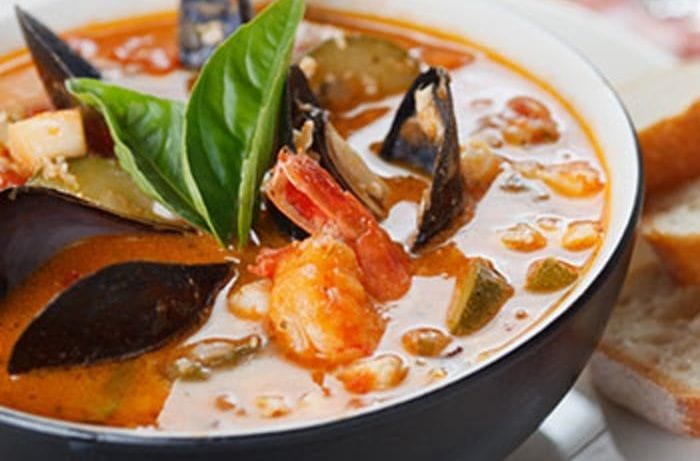
A simple and delicious Chilean seafood soup, ideal for warming up and replenishing the body, diverse, versatile, and perfect for any time of day, widely consumed throughout the country.
Nutrition Facts
Each serving of Chilean Homemade Seafood Soup (approx. 1 large bowl) contains approximately 280 kcal, 24 g of protein, 8 g of fat, 12 g of carbohydrates, 110 mg of cholesterol, and 650 mg of sodium.
How to Make Seafood Soup
Like any dish of this kind, when preparing seafood soup, you can use whatever seafood you have available and even add pieces of fish, always taking advantage of the rich diversity of Chilean coasts.
Prep Time: 20 minutes
Cook Time: 20 minutes
Servings: 4
Ingredients
- 1 kg of fresh mussels
- 400 ml of water
- 300 ml of fish broth
- 200 ml of white wine
- 150 g of shelled clams
- 150 g of peeled shrimp
- 100 g of shucked oysters
- 2 tablespoons of oil
- 1 onion, thinly sliced
- 1 clove of garlic, minced
- ½ teaspoon of paprika
- Chopped parsley
- Salt
- Pepper

Instructions
- In a medium pot, add the mussels and cover them with 2 cups of cold water; heat over medium heat for about 5 minutes or until their shells open, strain the broth, and set aside separately. Discard any shells that do not open.
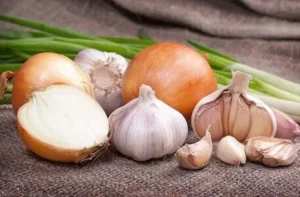
- In a large pot, heat the oil and sauté the onion, stirring until it begins to brown; add the garlic, paprika, white wine, the cooking broth from the mussels, fish broth, and 1 teaspoon of chopped parsley; season with salt and pepper to taste; and stir everything with a wooden spoon.
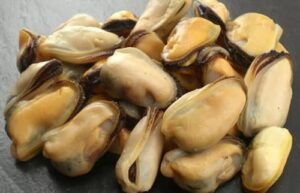
- Increase the heat and bring to a boil, add the clams, shrimp, and oysters, reduce the heat and cook for 10 minutes, add the cooked mussels, and heat everything together for one or two more minutes. Remove from heat and set aside.
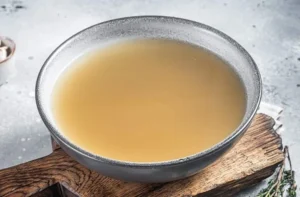
- Heat clay pots directly on gas burners and serve the seafood soup in them, sprinkling each bowl with fresh chopped parsley. Remove from heat and serve the seafood soup carefully, very hot, ideally accompanied by a glass of white wine.
Expert Cooking Tips
- Triple-Stage Broth Concentration: Use the mussel cooking water, the fish broth, and the white wine as separate layers of flavor. Boiling the mussels first not only opens them but also creates a primary saline base. When you combine this with a concentrated fish broth and the acidity of the wine, you create a complex umami profile that a single liquid cannot achieve.
- Alcohol Evaporation Control: When adding the 200 ml of white wine to the sautéed onions and garlic, let it simmer for 2 minutes before adding the other broths. This allows the harsh ethanol to evaporate while leaving behind the fruity esters and acidity that brighten the heavy flavors of the seafood.
- Clay Pot Thermal Preheating: Heat your clay pots (pailas de greda) directly on the burners before serving. Clay has high thermal inertia; preheating it ensures the soup stays at a simmer while on the table, which is essential for “opening up” the aromatic oils of the fresh parsley added at the end.
Frequently Asked Questions (FAQ)
1. Can I use frozen seafood?
Yes, but for the best results, thaw it in the refrigerator for 24 hours prior to cooking. This preserves the cellular structure of the seafood, preventing it from becoming mushy when it hits the hot broth.
2. What should I do with mussels that stay closed?
Always discard any shells that do not open after 5 minutes of boiling. A closed shell often indicates the mussel was dead before cooking and may contain harmful bacteria.
3. Can I add fish fillets to this soup?
Absolutely. Chilean seafood soup is very versatile. Add firm white fish (like conger eel or hake) in the last 5 minutes of cooking so it remains tender without breaking apart.
4. How do I clean fresh mussels properly?
Scrub the shells under cold running water and remove the “beard” (byssus threads) by pulling them toward the hinge of the shell.
5. Is the fish broth essential?
It significantly enhances the depth of the soup. If you don’t have fish broth, you can increase the amount of mussel cooking water, but the flavor will be less complex.
Frozen Seafood Soups
Making a frozen seafood soup is always a good idea, although the best option will always be based on fresh products; just make sure you have an assortment intended for this preparation and remove it from the freezer to normal cold at least 24 hours before for slow and safe thawing.

Did You Know?
Seafood in gastronomy refers to all those edible marine invertebrate animals, including crustaceans (shrimp, crabs), mollusks (mussels, clams, octopuses), echinoderms like sea urchin, and some urochordates like sea squirts.