
A homemade egg omelette is 3 eggs beaten with salt, pepper, and chives, cooked in butter or oil over medium high heat until the edges set, filled in the center with three fillings such as cheese, ham, corn, spinach, tomato, mushrooms, or bell pepper, folded, and rested a minute. It takes 10 minutes of preparation and 5 minutes of cooking, and serves 1.
A quick, nutritious dish for any time of day, especially breakfast.
How to Make an Egg Omelette?
Use whatever you have on hand; pick your three favorite fillings from the list. Beat the eggs well for a fluffier omelette.
Nutritional Information
Each egg omelette contains approximately 430 kcal, 4 g of carbohydrates, 34 g of fat, 28 g of protein, 2 g of fiber, 3 g of sugars, 590 mg of cholesterol, and 500 mg of sodium. These values are estimates and may vary depending on ingredients and portion sizes.
Homemade Egg Omelette Recipe
Preparation: 10 minutes
Cooking: 5 minutes
Servings: 1
Ingredients
Egg mixture
- 3 eggs
- Fine salt
- Pepper
- Chopped chives
- Butter
Fillings (choose 3)
- 1 slice of cheese
- 1 slice of ham
- ½ cup of corn
- ½ cup of spinach
- ½ tomato, diced
- ¼ cup of mushrooms
- ¼ bell pepper, sautéed

Instructions
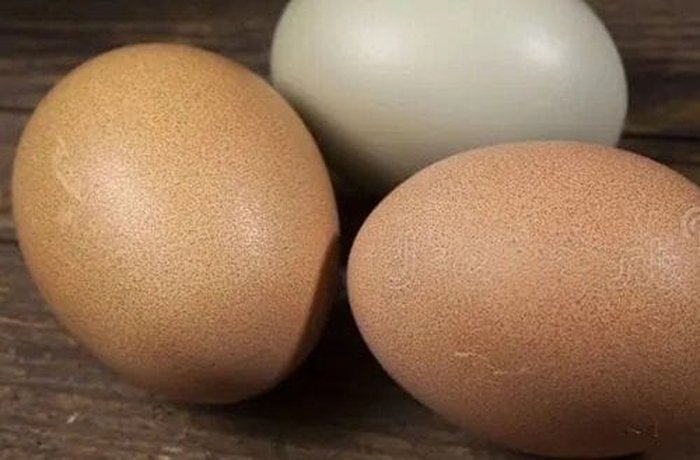
- In a medium bowl, beat the eggs with salt, pepper, and chives to taste with a fork until even and frothy. Set aside.
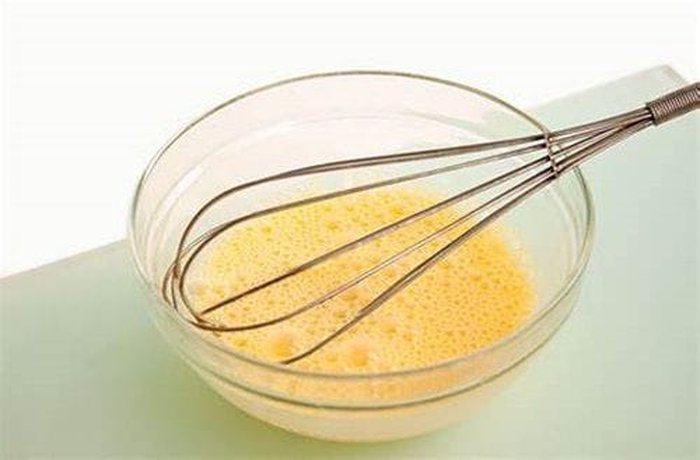
- In a medium nonstick skillet, heat a splash of oil or melt a tablespoon of butter over medium high heat. Pour in the eggs and cook until the edges are lightly golden and the omelette slides when you shake the pan.
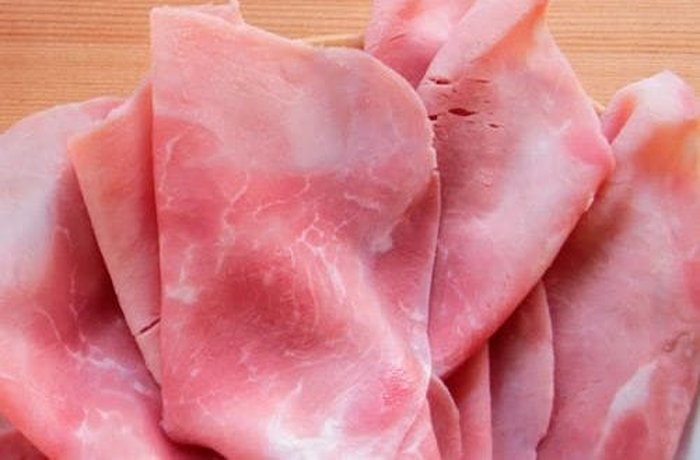
- Choose three fillings in the amounts listed and add them to the center of the omelette, cooking until the cheese melts slightly.
- Fold the omelette in half with a spatula, cook until done, transfer to a plate, and rest 1 minute. Serve right away with fresh toast and/or salad.
Additional Tips
Lighter omelette
Use a teaspoon of olive oil instead of butter, and egg whites only or fewer yolks.
Airier texture
Beat the eggs vigorously with a fork for at least a minute before pouring them into the hot pan.
Fold at the right time
Fold when the edges are set and the top is still moist and glossy, so residual heat finishes the inside.
Hot pan
Heat the nonstick pan well before adding the eggs so they do not stick.
| Original ingredient | Substitute | Ratio | Flavor note |
|---|---|---|---|
| 3 whole eggs | 4 to 5 egg whites | 1 omelette | Lower cholesterol, less rich |
| Butter | Olive or coconut oil | 1 tsp | Dairy free |
| Ham and cheese | Spinach and feta | To taste | Vegetarian |
| Ham and cheese | Smoked salmon and cream cheese | To taste | Brunch style |
Frequently Asked Questions (FAQs)
1. What is the difference between an omelette and a tortilla?
A Spanish tortilla mixes the filling, such as potatoes or onion, into the egg before cooking. A French omelette cooks just the egg and adds the filling in the center before folding, for a thinner, softer result.
2. Can I make it with egg whites?
Yes. Replace the 3 whole eggs with 4 to 5 whites for a low cholesterol, low fat option; add a splash of milk or light cheese, since it is less rich.
3. How do I keep it from sticking without butter?
Use a little mild olive oil or coconut oil and make sure the nonstick pan is hot before pouring in the eggs.
4. What are the most popular fillings?
Cheddar, ham, and sautéed mushrooms; fresh spinach and feta; or smoked salmon and cream cheese added when serving.
5. When should I fold the omelette?
When the edges are firm and lightly golden but the top is still moist and shiny, not runny.
History of the Omelette
The omelette is a long standing French preparation; its Spanish name, tortilla francesa, is said to have originated in Cádiz in the early 19th century, during the Peninsular War.
Did You Know?
The French word omelette comes from the 14th century alemelle, meaning knife blade, with the feminine diminutive ending ette.
How to adapt this recipe to a vegan or vegetarian version?
How to adapt this recipe to a gluten-free version?
How to adapt this recipe to a keto (ketogenic) version?
Recommended
- Mushroom Omelette Recipe
- Spanish Potato Omelette Recipe
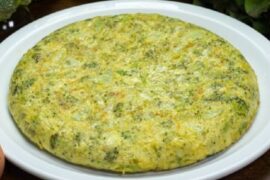
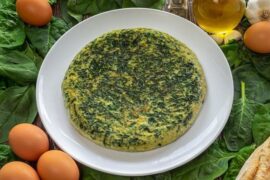
- Chilean Spinach Omelette Recipe
- Chilean Vegetable Omelette Recipe