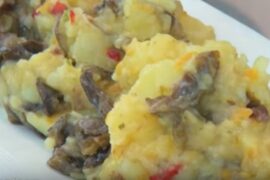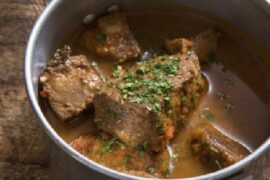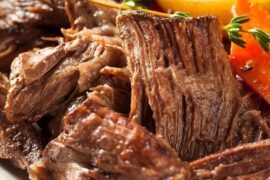
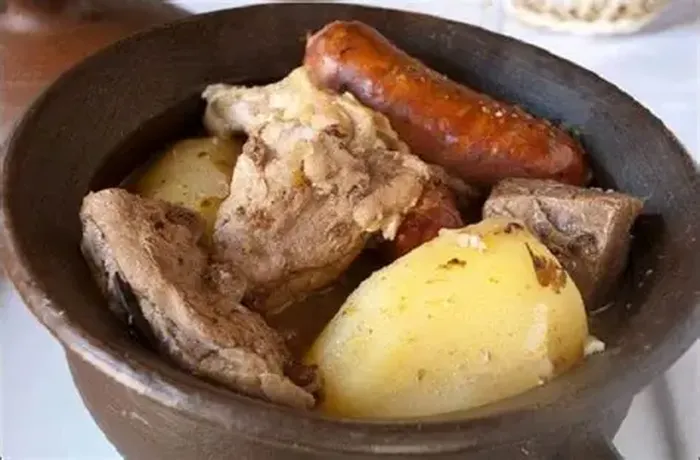
Chilean San Juan smoked pork stew — estofado de chancho de San Juan — is a festive one-pot braise of smoked spareribs, smoked chops, smoked sausages, and chicken slow-cooked in white wine, served on the night of June 24 to mark the Feast of Saint John the Baptist. The combination of three smoked cuts in a single pot is what defines this dish: the collagen-rich bones give the broth its body, the wine tenderizes the meat over 90 minutes of low heat, and the cumin and bay leaf tie everything together into one of the most distinctive aromas in Chilean rural cooking.
This recipe serves ten people and is designed for a large family celebration or communal gathering around a bonfire — the traditional setting for every San Juan feast in rural Chile. The instructions below cover the full method, the science behind the key techniques, storage advice, and five detailed answers to the most asked questions about this dish.
How to Make Chilean San Juan Smoked Pork Stew?
The method is a layered braise: sautéed onions and raw julienned onions alternate with the smoked cuts and aromatics in the pot, white wine is added cold, and the whole assembly cooks covered on very low heat for 90 minutes before the chicken goes in for a final 30 minutes. No browning of the meats, no pre-soaking — the smokiness of the cured cuts does the work that roasting would do in other stews. The result is a deeply flavored broth that thickens naturally from the gelatin released by the bones.
Nutritional Information
Each serving of San Juan estofado provides approximately 550 kcal, with 45g of protein (from three types of smoked pork plus chicken), 35g of total fat (12g saturated), 15g of carbohydrates, and around 1,200mg of sodium — primarily from the cured and smoked cuts. This is a high-protein, high-sodium celebration dish; the portion size is generous by design, and the sodium content reflects the curing of the smoked meats rather than added salt. Serve with boiled potatoes, which absorb some of the broth and help balance the richness.
Homemade Chilean San Juan Smoked Pork Stew Recipe
Prep time: 2 hours | Cook time: 2 hours | Servings: 10
Ingredients
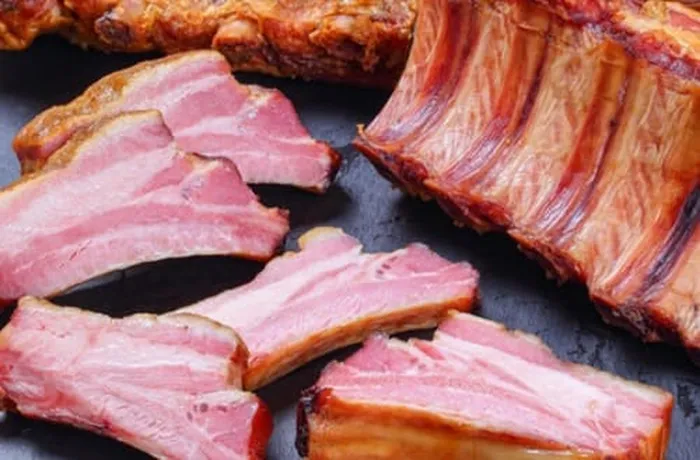
- 1 kg smoked spareribs (costillar ahumado), cut into portions
- 1 kg smoked pork chops (chuletas ahumadas)
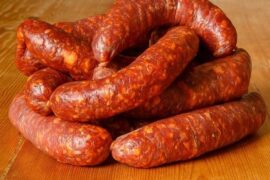
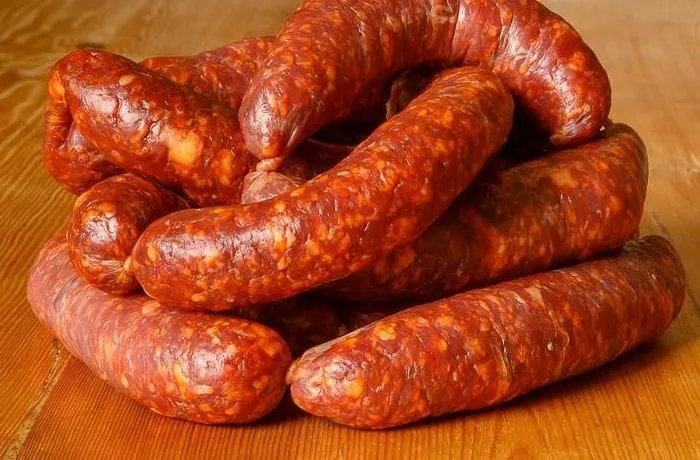
- 1 kg smoked sausages (longanizas or chorizos ahumados), sliced
- 10 bone-in chicken pieces
- 1 liter dry white wine
- 6 garlic cloves, minced
- 5 medium onions, julienned
- 3 medium onions, diced
- 3 tablespoons vegetable oil
- 3 bay leaves
- 1 teaspoon ground cumin
- Fine salt and black pepper to taste
Instructions
- Rinse and pat dry all smoked cuts; trim any excess fat. Heat the oil in a heavy pan and sauté the diced onions over medium heat for 5–7 minutes until translucent and lightly golden. Remove from heat and reserve.
- In a large, heavy pot, build the layers in this order: a bed of julienned onions, the spareribs, the sautéed diced onions, the minced garlic, the smoked chops, and the sliced sausages. Pour in the white wine, add the bay leaves and cumin, season with salt and pepper, and stir gently to distribute without breaking the layers. Cover the pot tightly.
- Cook on very low heat for 90 minutes. Add the chicken pieces on top, cover again, and cook for a further 30 minutes. Check seasoning, discard the bay leaves, and serve hot in deep bowls alongside boiled potatoes.
Additional Tips
Adding Potatoes Directly to the Pot
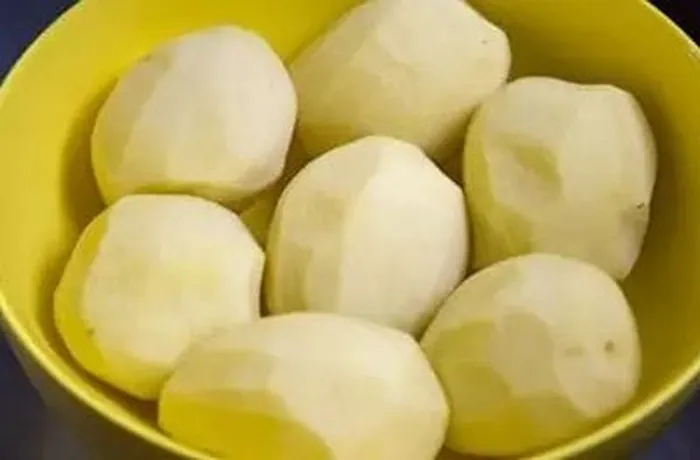
Rural versions of this stew include small whole potatoes dropped into the pot during the final 30 minutes of cooking alongside the chicken. This is the most traditional way to serve it — the potatoes absorb the smoky broth and become the best part of the meal. Add them unpeeled and scrubbed, or peeled and halved, depending on size.
Merkén and Oregano Variations
In southern Chile, particularly in La Araucanía, a tablespoon of dried oregano or half a teaspoon of merkén (smoked Mapuche chili) is added with the bay leaves to deepen the smokiness and add a subtle heat. This is not the classic recipe but a respected regional adaptation that works well with the cured meats.
Make It the Day Before
San Juan estofado is one of those dishes that genuinely improves overnight. As the pot cools, the rendered fats — which carry aromatic compounds from the bay leaf, cumin, and smoke — reabsorb evenly into the meat. Reheat gently on low heat the next day and the broth will be noticeably more unified and complex than on day one.
| Ingredient | Substitution | Notes |
|---|---|---|
| Smoked spareribs | Fresh bone-in pork ribs | Less body and smokiness in the broth |
| Smoked sausages | Fresh longanizas or chorizo | Add 1 tsp smoked paprika to compensate |
| White wine (1 L) | Chicken stock + 2 tbsp apple cider vinegar | Lighter flavor; omit extra salt |
| Ground cumin | Merkén (smoked Mapuche chili) | Adds heat and a more indigenous flavor profile |
Frequently Asked Questions (FAQs)
1. Why do smoked cuts give the San Juan stew its characteristic body?
Smoked cuts contain collagen that was concentrated during the drying and smoking process. Slow cooking in an acidic medium — white wine — hydrolyzes that collagen into soluble gelatin, thickening the broth naturally without any added starch or thickeners.
2. What role does white wine play in tenderizing the meats?
White wine’s tartaric and malic acids weaken the rigid protein structures of the muscle fibers, facilitating moisture retention and tenderness during the long braise. It also brightens the broth and balances the heavy smokiness of the cured cuts.
3. Why use two different cuts of onion in the same recipe?
The diced onions are sautéed first to develop caramelized sugars that form the flavor base. The julienned onions go in raw and break down slowly during the 90-minute braise, releasing structural water steadily and maintaining the liquid level throughout the cook.
4. Why does San Juan estofado taste better the next day?
During cooling, molecular diffusion continues passively. The rendered fats — which carry aromatic compounds from the bay leaf, cumin, and smoke — reabsorb evenly into the meat and poultry tissues as the pot rests, unifying and deepening the flavor.
5. Can I make this stew without all three smoked cuts?
Yes. The minimum for authentic flavor is one smoked cut (ideally spareribs or smoked chops) plus the chicken. Using fresh pork instead of smoked will produce a lighter, less complex broth — still good, but a different dish. If smoked sausages are unavailable, fresh longanizas or chorizo with a teaspoon of smoked paprika can substitute.
What Is Chilean San Juan Smoked Pork Stew?
Estofado de San Juan is a ceremonial Chilean stew made exclusively with smoked pork cuts — spareribs, chops, and sausages — plus chicken, slow-braised in white wine with onions, garlic, cumin, and bay leaves. It is prepared once a year, on the night of June 24, as the centerpiece meal of the Fiesta de San Juan. Unlike everyday Chilean estofado (which uses fresh pork or beef with vegetables), the San Juan version relies entirely on cured and smoked meats, giving it a darker broth and a deeply smoky character that is unmistakable.
History of the San Juan Festival in Chile
The Fiesta de San Juan on June 24 is one of the oldest continuous celebrations in rural Chile, layering two distinct traditions. The Catholic feast of Saint John the Baptist — imported by Spanish colonizers — fell on the same date as We Tripantu, the Mapuche New Year, which marks the Southern Hemisphere winter solstice and the end of the harvest cycle. Evangelizers adapted the European custom of bonfires to the Chilean winter night, and the combination of communal fire, smoked meats, and seasonal abundance became the ritual format that persists in the countryside to this day. The estofado, cooked in a single large pot over the fire or the kitchen wood stove, became the defining dish of this shared celebration.
Did You Know?
The Fiesta de San Juan is also known as víspera de San Juan or Noche de San Juan in Chile, and the celebration technically begins on the evening of June 23 — the eve of the feast day. In Mapuche communities, the same night is observed as We Tripantu with ceremonies that predate the arrival of the Spanish by centuries. The estofado de chancho is the one dish that bridges both traditions: a European braise made with the smoked meats that were a staple of the Chilean countryside winter pantry.
How to adapt this recipe to a vegan or vegetarian version?
How to adapt this recipe to a gluten-free version?
How to adapt this recipe to a keto (ketogenic) version?
Recommended
Chilean Beef Cazuela | Chilean Pork Estofado | Traditional Chilean Seafood Pulmay | Chilean Lamb Chops with Corn Pastelera