

Chilean lemon and abalone risotto is an innovative fusion dish that brings together Italian risotto technique and two of Chile’s most distinctive ingredients: locos (Chilean abalone) and limón de Pica, the fragrant, sweet-tart lemon from the Atacama Desert. Creamy arborio rice forms the base, finished with Parmesan, butter, fresh ciboulette, and arugula. The recipe was created by chef Guillermo Hurtado as a gourmet dish that is equally achievable at home.
The result is sophisticated in flavor but grounded in a straightforward method: patience with the broth, constant stirring, and a final mantecatura off the heat. The lemon keeps the dish bright while the abalone adds a firm, oceanic depth that holds up against the richness of the rice.
How to Make Chilean Lemon and Abalone Risotto?
Risotto rewards attention, not skill. The technique is the same whether you are making a classic Italian version or this Chilean adaptation: add warm broth a ladle at a time, stir steadily, and never walk away from the pot. The locos are cooked separately and folded in at the end, preserving their texture. Limón de Pica juice is added with the broth, not as a last-minute garnish, so its citric acidity integrates into the starch from the first absorption.
Nutritional Information
Each serving of Chilean lemon and abalone risotto provides approximately 480 kcal, 50 g of carbohydrates, 22 g of fat, 15 g of protein, 2 g of fiber, 2 g of sugars, 45 mg of cholesterol, and 500 mg of sodium. The Parmesan contributes calcium and phosphorus; the abalone adds iron, zinc, and iodine. The lemon juice and fresh herbs supply vitamin C and antioxidants that support iron absorption.
Homemade Chilean Lemon and Abalone Risotto Recipe
Prep time: 30 minutes
Cook time: 40 minutes
Servings: 4
Ingredients
- 500 ml vegetable broth (warm)
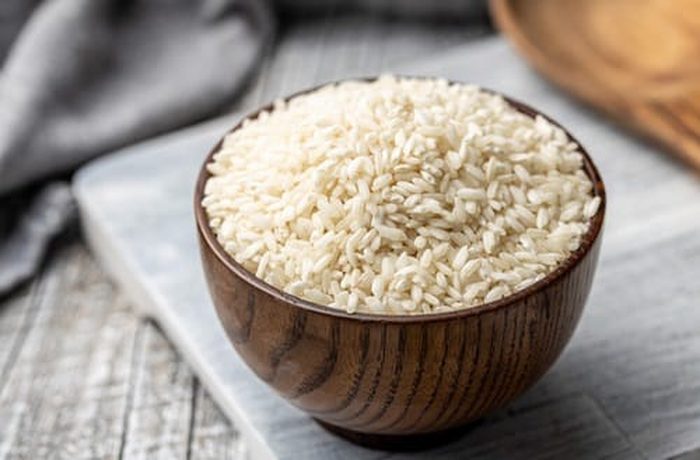
- 200 g arborio rice
- 80 g Parmesan cheese, freshly grated
- 20 g unsalted butter, divided
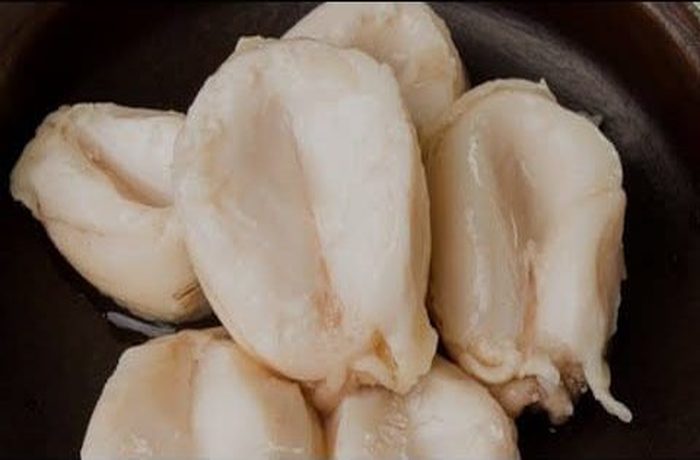
- 4 medium locos (Chilean abalone), fresh or canned
- 2 lemons (preferably limón de Pica), juice and zest of 1
- ½ cup dry white wine
- Fresh parsley
- Fresh ciboulette (chives)
- Fresh arugula
- Olive oil
- Fine sea salt
- Black pepper

Instructions
- Melt half the butter in a medium pot over medium heat. Add the onion and cook, stirring with a wooden spoon, until it turns translucent. Add the arborio rice and stir until each grain is coated and begins to take on a light golden color. Stir in the zest of one lemon.
- In a separate pan, combine the warm vegetable broth, white wine, and the juice of both lemons. Add one cup of this liquid to the rice and cook, stirring constantly, until fully absorbed. Continue adding the broth mixture one ladle at a time, allowing complete absorption between additions, for 35 to 40 minutes total, until the rice is creamy and cooked through. Hold on minimum heat.

- Slice the abalone into small pieces and sauté in a pan with olive oil. Add fresh ciboulette to taste and stir to combine. Remove the risotto from heat, stir in the remaining butter and grated Parmesan until silky, then fold in the sautéed abalone. Plate and finish with fresh parsley, arugula, and a drizzle of olive oil.
Additional Tips
Use the right rice
Arborio is the standard — its short, round grain has a higher starch concentration than long-grain varieties, which is what creates the creamy, flowing texture that defines risotto. Carnaroli and vialone nano are equally valid alternatives. Do not substitute with regular white rice; it lacks the necessary starch and will turn mushy instead of creamy.
Add broth gradually — patience is the technique
Adding all the liquid at once produces boiled rice, not risotto. Adding it one ladle at a time, and waiting for each addition to absorb before adding the next, forces the starch out of the grain in a controlled way. Keep the temperature moderate — too high causes the liquid to evaporate faster than the rice can absorb it, and the texture suffers.
The mantecatura: do not skip it
The final step of stirring cold butter and Parmesan into the risotto off the heat is called mantecatura. It emulsifies the fat with the starchy cooking liquid, creating the silky, glossy consistency that no amount of cream can replicate. Remove the pot from the heat completely before adding the butter and cheese, and stir vigorously for 30 to 60 seconds.
| Ingredient | Substitution | Notes |
|---|---|---|
| Locos (Chilean abalone) | Canned abalone, scallops, or shrimp | Drain canned abalone well; cook scallops and shrimp briefly at the end |
| Arborio rice | Carnaroli or vialone nano | Carnaroli holds its shape slightly better over long cooking |
| Limón de Pica | Regular lemon or Meyer lemon | Limón de Pica is sweeter; add a touch more juice if using regular lemon |
| Vegetable broth | Seafood broth or diluted clam juice | Seafood broth deepens the oceanic flavor of the abalone |
Frequently Asked Questions (FAQs)
What type of rice is best for risotto?
Arborio is the classic choice — its high starch content produces the characteristic creamy texture. Carnaroli and vialone nano are excellent alternatives; carnaroli holds its shape slightly better during long cooking.
Can I use canned abalone?
Yes. Canned Chilean abalone (locos en conserva) is an excellent option when fresh is unavailable or out of budget. Drain and rinse well before slicing, and sauté briefly — canned abalone is already cooked and only needs to warm through.
What other seafood could I use instead of abalone?
Scallops, shrimp, octopus, or squid all work well in this risotto. Keep the cooking time brief — overcooked seafood turns rubbery. Add it in the last few minutes before the mantecatura step.
How do I get a creamier risotto?
Stir constantly and add broth gradually — this is the non-negotiable part. The natural starch of arborio rice, combined with the final mantecatura (cold butter and Parmesan stirred in off the heat), produces a silky, restaurant-quality result without any cream.
What Is Chilean Lemon and Abalone Risotto?
Chilean lemon and abalone risotto is a fusion dish that applies classical northern Italian risotto technique to two emblematic Chilean ingredients. Locos (scientific name Concholepas concholepas) are a Chilean marine gastropod often marketed internationally as abalone, prized for their firm, sweet meat and their role in traditional Chilean seafood cookery. Limón de Pica is a small, intensely fragrant lemon grown in the Pica oasis of the Tarapacá Desert in northern Chile — sweeter and more aromatic than common lemon varieties, with a juice that pairs naturally with shellfish. The combination was developed by chef Guillermo Hurtado as a modern Chilean dish that requires neither exotic technique nor hard-to-find equipment.
History of Chilean Lemon and Abalone Risotto in Chile
Locos have been a cornerstone of Chilean coastal cuisine for millennia — archaeological evidence at coastal shell middens shows that indigenous communities harvested them along the Pacific for thousands of years. By the 20th century, wild abalone stocks had declined sharply due to commercial pressure, and Chile introduced strict quotas and seasonal closures to protect the species. Today most locos sold in Chile come from regulated wild harvests in the southern regions and from a small artisanal aquaculture sector. The decision to pair them with Italian risotto reflects a broader movement in Chilean gastronomy since the 2000s toward dishes that take globally recognized techniques and rebuild them around native ingredients, asserting a culinary identity that goes beyond traditional stews.
Did You Know?
The word risotto comes from riso, the Italian word for rice, and the dish is deeply associated with the Po Valley regions of northern Italy — Piemonte, Lombardia, and Veneto — where short-grain rice varieties were cultivated in flooded paddies from the 15th century onward. The technique of adding broth gradually and stirring continuously was developed specifically for these high-starch varieties; it would not work the same way with the long-grain rice grown in the rest of the world.