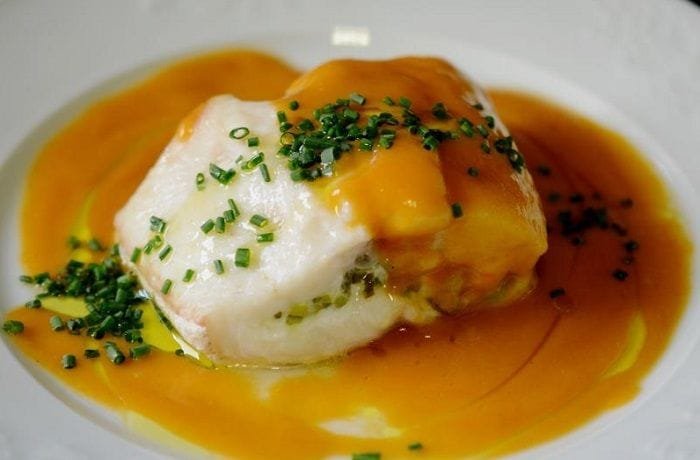
Chilean corvina with sea urchin sauce is a coastal classic that brings together two of Chile’s finest seafood products in a single, intensely flavored dish. Oven-baked corvina fillets are served under a velvety sauce of blended sea urchin tongues, white wine, cognac, and cream — a preparation that is both luxurious and deeply rooted in Chilean fishing culture.
The recipe serves 6 people and comes together in under 50 minutes. Sea urchin harvesting in Chile is strictly regulated by season, so this dish is a true occasion meal — one worth planning around the calendar.
How to Make Corvina with Sea Urchin Sauce?
The technique relies on two parallel preparations: a reduced wine-and-cognac base that is finished with cream and blended sea urchin, and a simply buttered corvina baked at high heat. The two components meet only at plating, which keeps the fish from absorbing excess moisture and the sauce from losing its fresh marine character.
Nutritional Information
Each serving of corvina with sea urchin sauce contains approximately 450 kcal, 28 g of protein, 30 g of fat (15 g of saturated fat), 80 mg of cholesterol, 5 g of carbohydrates, 2 g of sugars, and 300 mg of sodium. Sea urchin tongues are also a natural source of calcium, iron, magnesium, iodine, vitamin C, and antioxidants. (*)
(*) Estimated values. Actual nutrition may vary by ingredients and serving size.
Homemade Corvina with Sea Urchin Sauce Recipe
Prep Time: 30 minutes
Cook Time: 20 minutes
Servings: 6 people
Ingredients
- 2 kg of corvina fillets
- 200 ml of white wine
- 100 ml of cognac
- 100 ml of heavy cream
- 50 g of butter
- 24 sea urchin tongues
- Fresh chives
- Fine sea salt
- Black pepper

Instructions
- In a large saucepan, combine the white wine and cognac. Heat over medium heat and reduce the liquid to half its original volume. Lower the heat, add the heavy cream, stir well to combine, and cook for 2 to 3 more minutes until the mixture reaches a lightly creamy consistency.
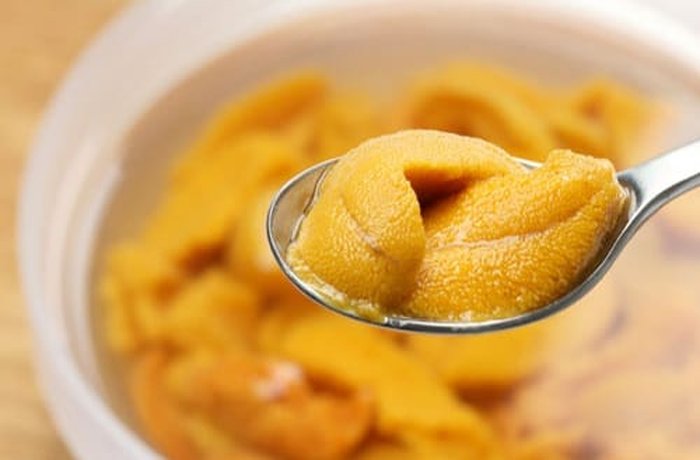
- Place 18 sea urchin tongues and their juices in a blender or immersion blender. Process on medium speed for about 30 seconds. Add the blended sea urchin to the saucepan with the wine-cream reduction, season with salt and pepper to taste, stir everything together, and heat over medium heat until the mixture just begins to bubble.
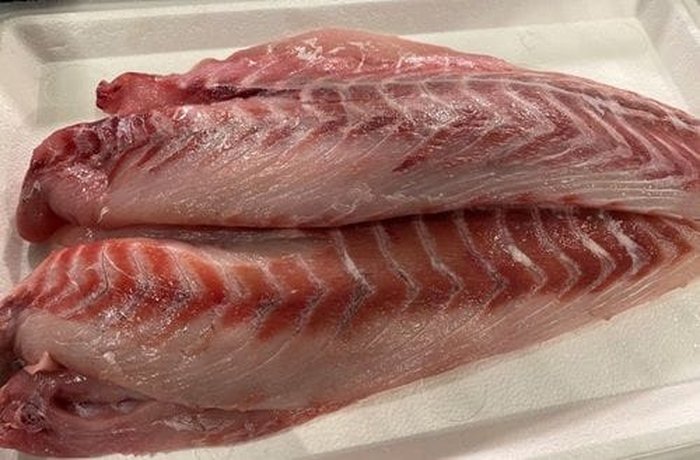
- Line a baking dish or roasting pan with parchment paper and arrange the corvina fillets in a single layer. Brush the surface with butter, season with salt and pepper, and place in a preheated oven at 200°C (395°F) for about 15 minutes, or until the fish is cooked through.
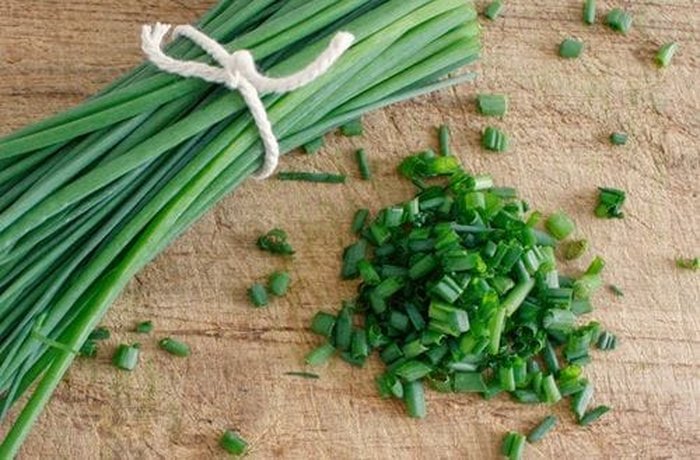
- Remove the fish from the oven and allow it to rest for a couple of minutes. Serve the baked corvina on a wide, shallow plate. Spoon the sea urchin sauce generously over the top and garnish with freshly chopped chives and the remaining sea urchin tongues, left whole or roughly chopped.
Additional Tips
Reduce the Alcohol Properly Before Adding Cream
Cooking the wine and cognac down to half their volume does two things: it eliminates the harshness of raw alcohol and concentrates the sugars and acids that will support the richness of the cream. Skipping or rushing this step leaves the sauce tasting sharp and one-dimensional. The reduction is done when the liquid coats the back of a spoon and smells sweet rather than alcoholic.
Add Sea Urchin at the Right Moment
Sea urchin tongues are extremely sensitive to heat. Add the blended urchin only after the wine-cream base is already hot and beginning to bubble, then remove from the stove as soon as the mixture heats through. Prolonged cooking destroys the delicate metallic-sweet flavor that makes sea urchin worth using and turns the sauce an unappetizing gray color.
Rest the Fish Before Plating
Two minutes of resting after the oven is enough for carryover heat to finish any translucent center without drying out the flesh. Plate the fish immediately after resting — if it sits longer, moisture will pool on the plate and thin the sauce when you pour it over. Sauce the plate just before serving, not in advance.
| Ingredient | Substitution | Result |
|---|---|---|
| Corvina fillets | Golden conger eel, southern hake, or reineta | Firm white-fleshed fish; similar behavior in the oven |
| Sea urchin tongues | Bottarga or crab roe | Different umami; less marine intensity; less authentic |
| Cognac | Brandy or dry sherry | Similar complexity; dry sherry adds a nutty undertone |
| Heavy cream | Crème fraîche | Slightly tangier; more stable at high heat; less sweet |
Frequently Asked Questions (FAQs)
What other fish can I use instead of corvina?
If corvina is not available, substitute with golden conger eel, southern hake, or reineta. Choose firm, white-fleshed fish with a mild flavor that can absorb the intensity of the sea urchin sauce without competing with it.
Is it safe to eat raw sea urchin?
Yes, as long as the sea urchins are very fresh and sourced from reliable suppliers. Raw sea urchin is not recommended for immunocompromised individuals or during red tide events, when marine toxin levels may be elevated.
Why use cognac in the sea urchin sauce?
Cognac adds a woody, complex aroma that white wine alone cannot achieve. Once the alcohol evaporates during reduction, the remaining essence pairs exceptionally well with the briny, iodine-rich character of Chilean sea urchin.
How do I know when the corvina is cooked through?
After 15 minutes in the oven, the flesh should look completely opaque and the flakes should begin to separate with gentle pressure. Do not overcook — residual heat will finish the process once the fish is plated and rested.
Can I freeze the sea urchin sauce?
Freezing is not recommended. The heavy cream and sea urchin lose their emulsion and fresh flavor when frozen. This is a dish designed for immediate enjoyment — prepare it fresh and serve right away.
What Is Corvina with Sea Urchin Sauce?
Corvina with sea urchin sauce is a Chilean restaurant classic that pairs two prized coastal ingredients: corvina (Cilus gilberti), a firm white-fleshed fish native to the Pacific coast of South America, and loco erizos — Chilean purple sea urchin (Loxechinus albus), whose orange-yellow tongues carry a distinctive sweet-briny flavor prized by chefs worldwide. The dish became popular in Chilean fine dining during the 1990s and has since spread to home kitchens as sea urchin availability improved. Its flavor profile is intense and oceanic, with the cream-cognac base providing richness that balances the urchin’s natural salinity.
History of Sea Urchin in Chilean Cuisine
Chilean sea urchin has been harvested by coastal communities since pre-Columbian times, eaten raw with a squeeze of lemon directly at the water’s edge — a practice still common at fish markets from Coquimbo to Puerto Montt. The formal culinary integration of sea urchin into cooked preparations emerged in the mid-20th century, when French-trained Chilean chefs began adapting classic beurre blanc and cream sauce techniques to native ingredients. Today, sea urchin harvest in Chile is regulated by seasonal quotas managed by SERNAPESCA to protect the species from overextraction, which makes dishes like this one tied to specific windows of the year.
Did You Know?
Corvina is one of the most sought-after fish by Chilean sport fishers — not just for its flavor, but for its behavior in the water. It is known as a cautious, wary species that can detect subtle vibrations and will flee at the slightest disturbance, making it a genuine challenge to catch. In Chilean fishing culture, landing a large corvina is considered a mark of skill and patience, which adds a layer of meaning to any dish built around it.