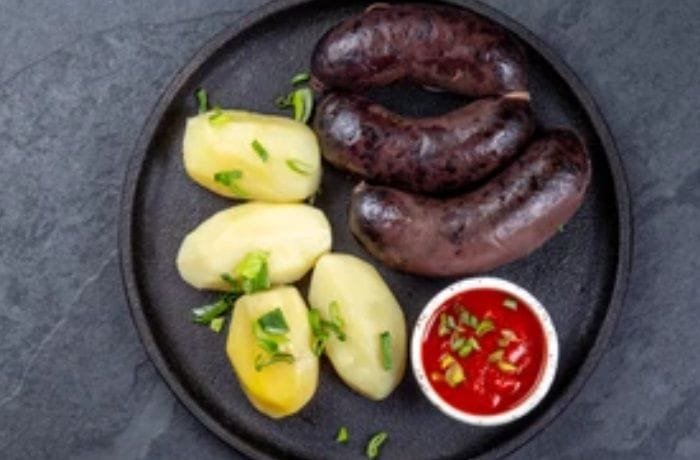
Chilean prietas with potatoes is one of the most honest expressions of traditional Chilean home cooking — blood sausage boiled until tender, paired with floury potatoes and a slow-cooked caramelized onion that balances the richness of the sausage. The dish is simple, deeply savory, and built around ingredients that have been part of Chilean rural cuisine for generations.
This recipe serves 4 people and takes about 75 minutes from start to finish. Prietas and potatoes are cooked separately to give you full control over each element, then brought together at plating with a final optional sear on the grill that adds color and a slightly crisp casing.
How to Make Prietas with Potatoes?
The recipe runs three parallel preparations: boiling the prietas gently in water, cooking the potatoes until just tender, and slowly caramelizing onions in a pan with sugar and oregano. All three elements converge at the end for a plate that is greater than the sum of its parts. A two-minute pass on a hot grill or griddle right before serving is optional but strongly recommended — it gives the prietas a lightly crisp skin without drying out the filling.
Nutritional Information
Each serving of Chilean prietas with potatoes contains approximately 350 kcal, 40 g of carbohydrates, 15 g of fat, 12 g of protein, 5 g of dietary fiber, 3 g of sugars, 50 mg of cholesterol, and 700 mg of sodium. (*)
(*) Estimated values. Actual nutrition may vary by ingredients and serving size.
Homemade Prietas with Potatoes Recipe
Prep Time: 30 minutes
Cook Time: 45 minutes
Servings: 4 people
Ingredients
- 8 prietas (Chilean blood sausages)
- 8 medium potatoes
- 2 onions, thinly sliced
- 1 teaspoon of sugar
- 1 teaspoon of dried oregano
- ½ clove of garlic
- Vegetable oil
- Merkén (Chilean smoked chili)
- Fine sea salt
- Black pepper

Instructions
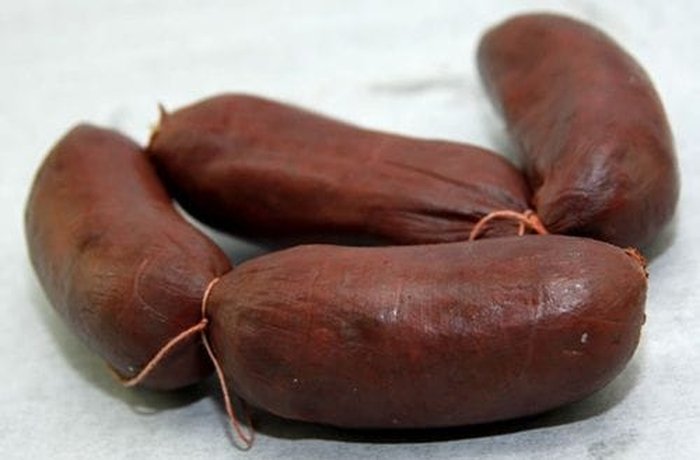
- Bring a large pot of water to a boil. Pierce each prieta with a cocktail stick to prevent the casing from bursting. Submerge the prietas in the boiling water and cook for 25 minutes. Remove and keep warm.
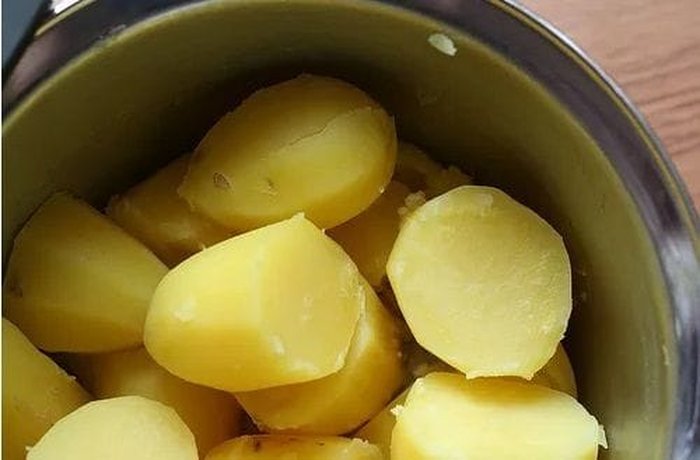
- Peel and wash the potatoes. Place them in a separate large pot and cover with cold salted water. Bring to a boil, cover, and cook over medium heat for about 20 minutes, or until the potatoes are cooked through but still firm — a skewer should pass through with light resistance.
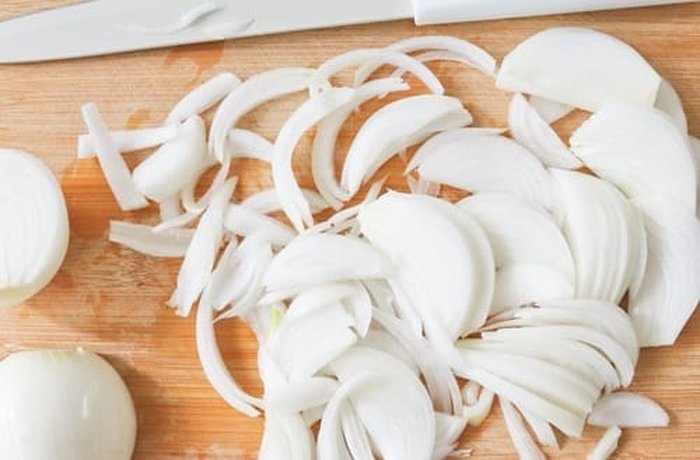
- Heat a little vegetable oil in a medium pan over medium heat. Add the thinly sliced onion and cook until softened. Add the sugar, dried oregano, crushed garlic, and season with salt and pepper to taste. Continue cooking over low heat, stirring occasionally, until the onion turns a soft caramel color — about 15 to 20 minutes.
- Sear the boiled prietas on a hot grill or griddle for 2 minutes to give them a lightly crisp skin. Optionally season the potatoes with coarse sea salt and a pinch of merkén. Plate immediately and serve with fresh cilantro or parsley, the caramelized onions, and a well-chilled Chilean salad on the side.
Additional Tips
Always Pierce the Prietas Before Boiling
This is the single most important step. The casing of a prieta is under pressure from the blood-and-rice filling; without a small opening, steam builds up and splits the sausage open in the water, losing both flavor and presentation. Use a cocktail stick or thin skewer and make two or three punctures per sausage before they go into the pot.
Low Heat Is the Secret to Perfect Caramelized Onions
Caramelizing onions properly takes patience. Cook them over the lowest heat your stove allows, stirring only occasionally so they soften and turn translucent before beginning to color. Rushing this step over medium-high heat produces onions that are browned on the outside but sharp and undercooked inside. The sugar added midway accelerates color development without making the onions sweet.
Finish the Prietas on the Grill for Better Texture
Boiling alone leaves the prieta casing soft and slightly pale. Two minutes on a hot grill or cast-iron griddle — no oil needed — tightens the skin and adds a light char that contrasts well with the creamy potato. Do not skip the rest period after boiling: letting the prietas sit for a minute before hitting the grill prevents the filling from breaking through the casing under the sudden heat.
| Ingredient | Substitution | Result |
|---|---|---|
| Prietas (blood sausage) | Longaniza or butifarra | Milder pork flavor; less iron-rich; easier to find |
| Potatoes | Sweet potatoes or yuca | Different starch texture; slightly sweeter profile |
| Merkén | Smoked paprika + chili flakes | Similar smoky heat; less complex and earthy than merkén |
| Sugar (for onions) | Brown sugar or panela | Deeper, more molasses-like caramel notes |
Frequently Asked Questions (FAQs)
Can I cook the prietas and potatoes together to save time?
Although it is possible, cooking them separately is recommended so you can control the timing and texture of each element independently — particularly to avoid overcooking the potatoes while waiting for the prietas to finish.
What Chilean hot sauces pair well with prietas?
Merkén diluted in vegetable oil and a spicy Chilean pebre are the classic accompaniments. Both complement the rich, iron-forward flavor of prietas without overpowering them.
How do I prevent prietas from bursting while boiling?
Pierce each prieta with a cocktail stick before placing it in the water. This allows steam to escape gradually rather than building up inside the casing. Also, keep the boil at a gentle, steady simmer rather than a rolling boil.
Can I make homemade prietas from scratch?
Yes. Homemade prietas are made by combining cooked pork blood with sautéed onion, cooked rice, and spices, then stuffing the mixture into cleaned pork casings and simmering until firm. Homemade versions tend to have a more intense flavor and a more artisanal texture than commercial ones.
What Is Prieta?
Prieta is the Chilean name for blood sausage — a cooked sausage made from pork blood combined with sautéed onion, cooked rice, and a blend of spices including oregano, cumin, and black pepper, all encased in a natural pork casing. The same type of sausage is known as morcilla in Spain and most of Latin America, moronga in Mexico, rellena in Colombia, and boudin noir in France. Chilean prietas are typically shorter and fatter than their Spanish counterparts and are distinguished by the addition of rice as a filler, which gives them a softer, more cohesive texture.
History of Prieta in Chile
Blood sausage has been made wherever pigs have been slaughtered for the past two millennia, and its arrival in Chile came directly with the Spanish colonial settlement of the 16th century. The Chilean version evolved over the following centuries to incorporate local ingredients and quantities that reflected the rural economy: rice was added as a bulking agent when blood was scarce, and the spice blend adapted to what was available in the southern countryside. Prieta became a fixture of the Chilean matanza — the traditional autumn pig slaughter — where no part of the animal was wasted. Today it is sold year-round in butcher shops and supermarkets throughout the country, but the freshest versions are still found at local ferias and rural markets.
Did You Know?
Prietas are classified by Chilean law as an embutido cocido — a cooked sausage — which means they are fully cooked during manufacturing and only need reheating at home. Despite this, Chilean cooking tradition always calls for a second boil before serving, which softens any casing that tightened during storage and brings the internal temperature up evenly throughout the filling. The final pass on the grill is purely a texture decision, but it is the step that most home cooks consider non-negotiable.