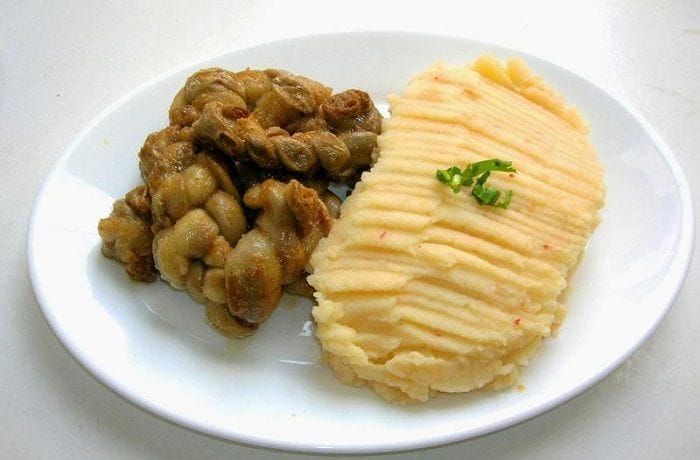
Chilean chunchules with toasted flour are made by cleaning and braiding beef intestines, pre-cooking them in water with garlic and salt for 45 minutes, coating them in seasoned harina tostada (toasted wheat flour), and pan-frying them in oil at 160°C until golden and crispy on both sides — a traditional Chilean offal dish ready in 75 minutes that serves 4 people.
A staple of Chilean asado culture and criollo home cooking, chunchules are the small intestines of beef cattle, braided in groups of three strips before cooking to distribute heat evenly, maintain shape, and create the characteristic crunchy exterior that makes them a crowd favorite at Chilean barbecues and weekend gatherings.
How to Make Chilean Chunchules with Toasted Flour?
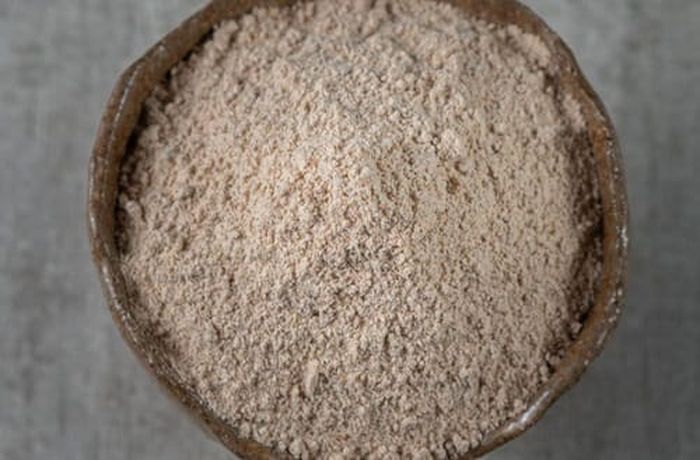
The key to well-made chunchules is a two-stage cooking process: the pre-boiling stage removes excess fat and tenderizes the intestines, and the frying stage creates the crunchy toasted flour crust. Skipping the pre-boiling produces chunchules that are tough and greasy. The toasted flour coating — harina tostada, a traditional Chilean ingredient made from wheat flour toasted until golden — adheres better when the intestines are still warm from the boiling water, so drain and coat them quickly before they cool.
Nutritional Information
Each serving of Chilean chunchules with toasted flour contains approximately 320 calories, 35 g of carbohydrates, 15 g of total fats, 12 g of proteins, 3 g of fiber, 1 g of sugars, 45 mg of cholesterol, and 400 mg of sodium. Beef intestines are a notable source of complete protein and bioavailable iron, supporting muscle health and circulatory function, while also containing tryptophan, which the body converts to serotonin.
Homemade Chilean Chunchules with Toasted Flour Recipe
Prep Time: 30 minutes
Cook Time: 45 minutes
Servings: 4
Ingredients
- 2 kg beef intestines (chunchules), cleaned and braided
- 500 g toasted wheat flour (harina tostada)
- 3 garlic cloves, finely chopped
- Fine sea salt
- Neutral oil for frying
Instructions
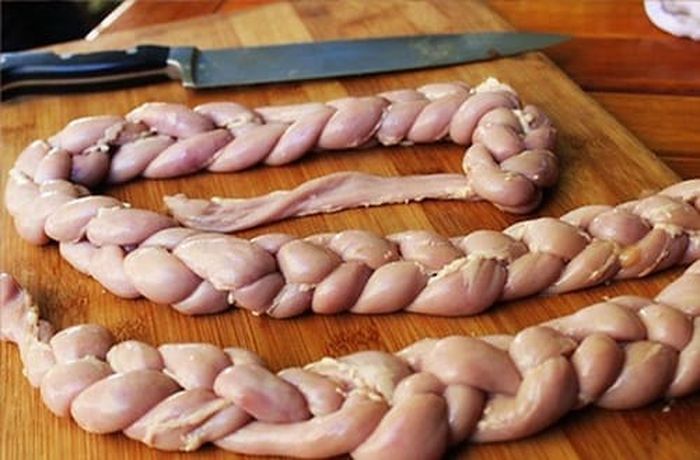
- Clean and prepare the chunchules: Remove excess fat from the intestines and unbraid them. Soak in cold water, wash thoroughly at least three times — each time with a tablespoon of white vinegar — until the water runs clear and the smell is mild. Drain on paper towels, re-braid in groups of three strips, and set aside.
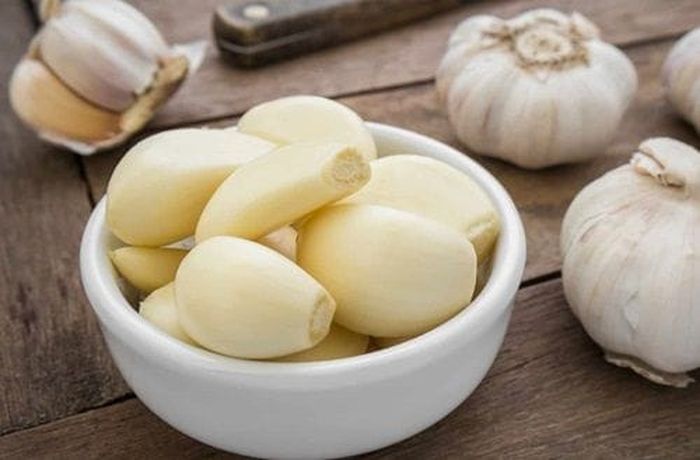
- Pre-cook in garlic water: In a large pot, sauté the chopped garlic with a pinch of salt for a few minutes. Add the braided chunchules and cover completely with cold water. Bring to a boil, then cook over medium heat for 45 minutes. Remove the chunchules and set aside to drain.
- Coat in toasted flour: In a shallow wide dish, spread the toasted flour and mix in a pinch of salt. While the chunchules are still warm, shake off excess water and roll them in the toasted flour until evenly coated on all sides. Press gently so the flour adheres.
- Fry until golden: In a large skillet, heat enough oil to reach a depth of about 1 cm over medium-high heat until it reaches 160°C (320°F). Carefully add the coated chunchules and fry until golden and crispy on both sides, turning once — about 5 to 7 minutes per side. Remove with tongs and drain on paper towels. Serve immediately with pebre, ají verde, or garlic sauce alongside roasted potatoes, spicy mashed potato, or steamed rice.
Additional Tips
How Many Times Should You Wash Chunchules?
A minimum of three cold-water washes with one tablespoon of white vinegar per wash is required. The first wash water will be very cloudy and murky — this is normal and expected. The second wash should be noticeably clearer. The third wash should be almost completely clear. If a strong smell persists after the third wash, soak the chunchules in cold water with fresh lemon juice for 30 minutes before a final rinse. There is no shortcut here: under-washed chunchules will have an unpleasant flavor that no amount of garlic or salt can mask.
Why Braid the Chunchules Before Cooking?
Braiding three strips together before cooking serves three practical purposes. First, it distributes heat more evenly than a loose single strip, which tends to cook unevenly due to folding on itself. Second, it prevents the intestines from curling and contracting into irregular shapes when they hit the heat. Third, the braid structure keeps the toasted flour coating anchored during frying, creating a uniform crispy crust while the interior remains juicy. The braid also makes for a cleaner, more consistent presentation.
Beef vs Pork Chunchules — What Is the Difference?
Beef chunchules are longer, thicker, and more intensely flavored, requiring longer cleaning (more wash cycles) and a total cooking time of around 90 minutes. Pork chunchules (from pig intestines) are thinner, milder, and have higher fat content, which makes them crispier in less time — around 60 minutes total. Both are prepared using the same method, but in Chilean tradition, beef chunchules are the classic choice for the criollo dish served with toasted flour, while pork intestines are more commonly used as casings for artisan longanizas.
| Offal Cut (Achura) | Part of the Animal | Grill Time | Flavor Profile |
|---|---|---|---|
| Chunchules | Beef small intestine | 20–30 min per side | Intense, unctuous |
| Guatitas | Beef stomach (tripe) | 30–40 min total | Mild, gelatinous |
| Riñones | Beef kidney | 5–7 min per side | Strong, mineral |
| Hígado | Beef liver | 3–4 min per side | Bitter, deep |
| Ubres | Cow udder | 15–20 min per side | Mild, milky |
Frequently Asked Questions (FAQs)
How do I know when chunchules are clean enough to cook?
Chunchules are clean when they have no strong odor and no remaining fatty residue. Wash them at least three times under cold running water with a tablespoon of white vinegar each time. The water should run almost clear by the third wash. If the smell persists, soak in cold water with lemon juice for 30 minutes before a final rinse.
Can I cook chunchules in an air fryer?
Yes. Once pre-cooked in water and coated in toasted flour, place them in the air fryer basket with a light spray of oil and cook at 200°C (392°F) for 12 to 15 minutes, turning halfway through. The result is crispier and less oily than pan-frying, with a slightly thinner crust.
Can chunchules be frozen?
Yes — raw after cleaning or cooked after pre-boiling, for up to one month in an airtight container. Freeze in single-use portions to avoid repeated thawing. Thaw overnight in the refrigerator before coating and frying.
What sauces pair best with Chilean chunchules?
The three classic pairings are pebre (fresh tomato, onion, cilantro, and chili salsa), ají verde molido (blended green chili paste), and salsa provenzal (garlic and parsley). Pebre is the most traditional — its acidity cuts through the richness of the fried intestines.
What Are Chilean Chunchules?
Chunchules are the small intestines of beef cattle (or pork, in some preparations), and one of the most emblematic achuras — offal cuts — in Chilean and broader South American cooking. The word derives from the Quechua ch’unchu, meaning intestine or tripe, and the same ingredient appears across the region under different names: chinchulín in Argentina, choncholí in some Chilean regions, chunchurria in Colombia, and chinchurria in Venezuela. In Chile, chunchules are most commonly associated with the asado criollo — the traditional barbecue — where they cook directly over charcoal alongside other achuras and cuts, and with this pan-fried preparation coated in harina tostada.
History and Origin of Chunchules in Chile
The consumption of offal in Chile dates to pre-Columbian indigenous cooking, where the full use of a slaughtered animal — including organs, intestines, and extremities — was both a nutritional necessity and a cultural practice. Spanish colonizers brought their own tradition of offal consumption (callos, morcilla, tripas), which merged with indigenous practices to produce the creole (criollo) offal dishes that define Chilean popular cuisine today. Harina tostada — toasted wheat flour — became the canonical coating for chunchules in central Chile, prized for its flavor, its ability to create a crunchy crust at lower frying temperatures, and its long shelf life as a pantry staple in rural Chilean households.
Did You Know?
Harina tostada is one of the oldest convenience foods in Chilean history. Dating back to the colonial period, it was carried by laborers, miners, and travelers as a portable, calorie-dense food that required no cooking — it could be eaten dry, mixed with water into a paste called ulpo, or used as a coating for fried foods like chunchules. Today it is still sold in Chilean markets and supermarkets as a traditional pantry item, and its nutty, toasted flavor — distinct from raw wheat flour — is irreplaceable in this recipe.