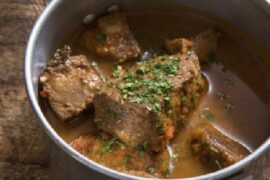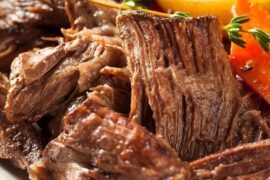
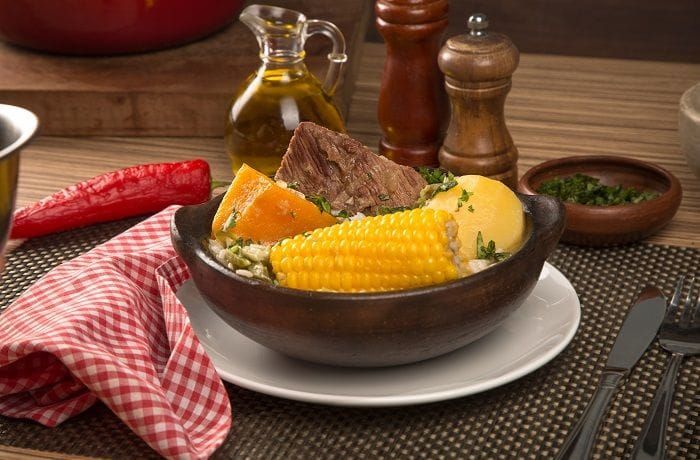
Chilean beef cazuela is a traditional one-pot stew made by simmering bone-in beef in cold water with aromatics, then adding potato, squash, corn, green beans, and rice in stages until each ingredient is perfectly cooked in a rich, clear broth — ready in about 75 minutes and serving 6 people.
The absolute standard of Chilean home cooking, cazuela de vacuno is a heritage dish that embodies the warmth of family tables across the entire country, served individually in deep clay bowls with each ingredient intact and a generous ladleful of golden broth.
How to Make Chilean Beef Cazuela?
Chilean beef cazuela is built on a fundamental technique: starting the meat in cold water so proteins release slowly, building a clear and richly flavored broth from the bottom up. Bone-in cuts are essential — the marrow and collagen from osobuco or asado de tira dissolve into the liquid over 25 minutes of gentle simmering, creating the characteristic depth that makes cazuela unmistakable. Vegetables are added in sequence according to their cooking time, beginning with the hardest roots and ending with the most delicate, so that everything arrives at the table perfectly done rather than overcooked or raw.
Nutritional Information
Each serving of Chilean beef cazuela contains approximately 400 calories, 50 g of carbohydrates, 12 g of fats, 22 g of proteins, 5 g of fiber, 5 g of sugars, 60 mg of cholesterol, and 800 mg of sodium. Beef is a rich source of high-quality protein, iron, zinc, and B-group vitamins that strengthen the immune system and support muscle health, while the vegetables contribute fiber, vitamin A, and antioxidants that aid digestion and eye health.
Homemade Chilean Beef Cazuela Recipe
Prep Time: 30 minutes
Cook Time: 45 minutes
Servings: 6
Ingredients
- 1½ kg bone-in beef (osobuco, asado de tira, or tapapecho)
- 4 large potatoes, whole
- 4 pieces of squash (zapallo)
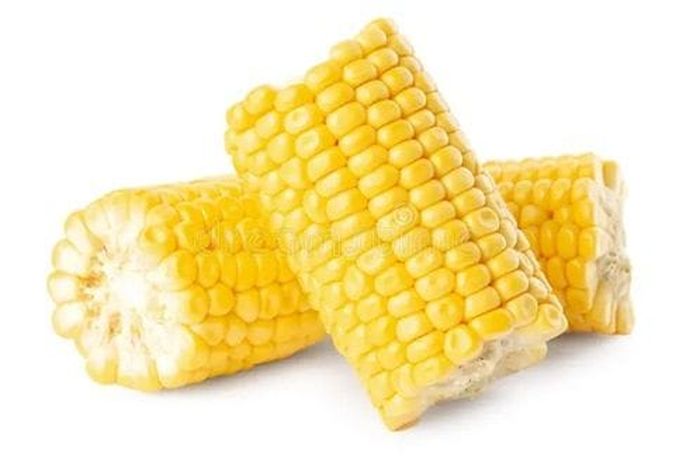
- 4 ears of corn, halved
- 1 cup green beans
- 1 carrot, julienned
- ½ red bell pepper, sliced
- ½ onion, julienned
- 1 garlic clove
- 1 celery stalk
- 100 g raw white rice
- 1 teaspoon dried oregano
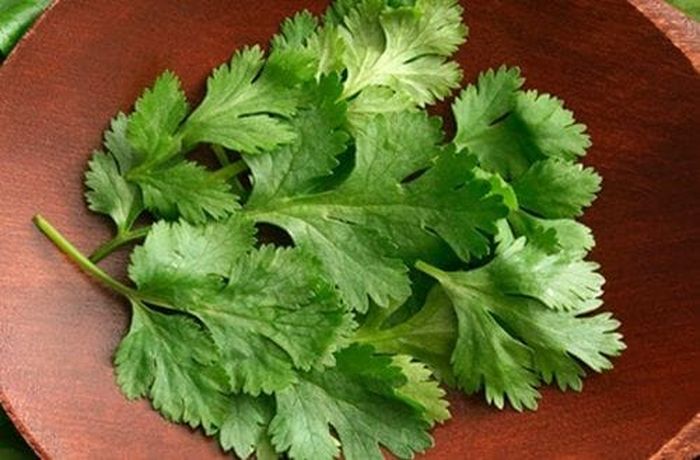
- Fresh cilantro or parsley, chopped, for serving
- Fine sea salt and black pepper
Instructions
- Build the broth: Place the beef in a large pot and cover with 1½ litres of cold water. Season with salt and pepper, add the celery, garlic, and onion. Bring to a boil over high heat, then reduce to medium heat and cook for 25 minutes. Skim any fat and impurities that rise to the surface regularly with a large spoon.
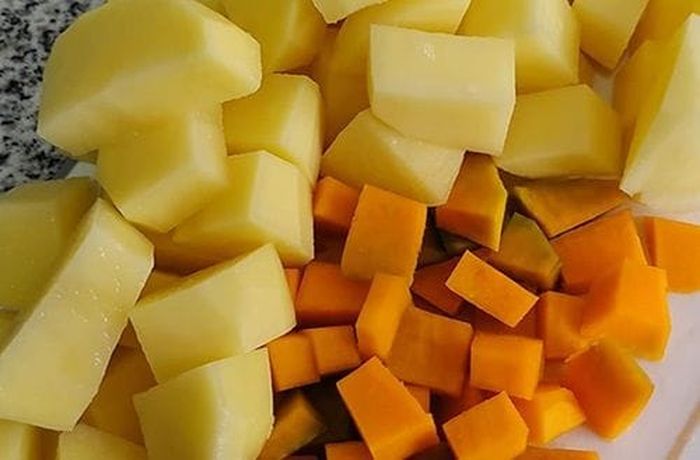
- Add the vegetables in stages: Add the carrot, bell pepper, whole potatoes, and raw rice. Cook for 10 minutes. Add the squash pieces and corn halves and cook for a further 10 minutes. Finally, add the green beans and cook for 5 more minutes.
- Check seasoning and doneness: Taste the broth and adjust salt if needed. Check that all vegetables are cooked through. If some are done before others, remove them temporarily to avoid overcooking, then return them to the pot. Turn off the heat and let rest for 5 minutes.
- Serve: Ladle into deep bowls, making sure each serving has one piece of beef, one potato, one piece of squash, one ear of corn, and a generous amount of broth with rice and vegetables. Finish with freshly chopped cilantro or parsley.
Additional Tips
Skim the Broth as It Cooks
During the first boil with the beef, fat and proteins rise to the surface as grey-brown foam. Skimming this off every few minutes with a large spoon produces a noticeably cleaner, lighter broth without sacrificing any flavor from the meat. This step is especially important when using marrow-rich cuts like osobuco.
Thermomix Version
Blend the onion, garlic, and celery (5 sec / speed 5), scrape down, add 20 g oil, salt, and pepper, and sauté (5 min / 120°C / speed 1). Add 800 g cubed beef and cook (10 min / 100°C / reverse / speed spoon). Add 1.2 litres of hot water, oregano, peeled potatoes, squash, and rice in the basket, then cook (30 min / 100°C / reverse / speed spoon). Add the corn, carrot, bell pepper, and green beans and cook (10 min / 100°C / reverse / speed spoon). Rest 5 minutes before serving.
Serve in Clay Bowls
Traditional Chilean cazuela is served in individual clay bowls (fuentes de greda) that retain heat far longer than ceramic or glass. If you have them, warm the bowls briefly in the oven before ladling the stew — the broth will stay hot until the last spoonful.
| Ingredient | Standard Version | Substitute | Notes |
|---|---|---|---|
| Bone-in beef | Osobuco / asado de tira | Tapapecho or plateada | Bone-in always preferred for richer broth |
| Squash (zapallo) | Chilean zapallo | Butternut squash or pumpkin | Use a firm-fleshed variety that holds its shape |
| Raw rice | White rice | Cooked rice (add at end) | Raw rice thickens and enriches the broth |
| Corn (choclo) | Fresh corn on the cob | Frozen corn halves | Thaw before adding; reduce cooking time by 3 min |
What Is the Best Meat for Chilean Cazuela?
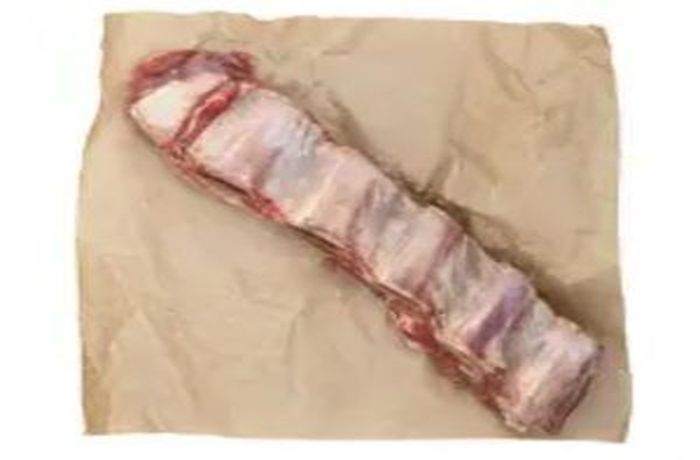
1. Asado de Tira (Bone-In Short Rib)
Asado de tira is a bone-in cut taken from the front section of the animal, widely considered ideal for cazuelas and stews due to its flavor, the collagen in the connective tissue, and the way the rib bones release gelatin into the broth during slow cooking.
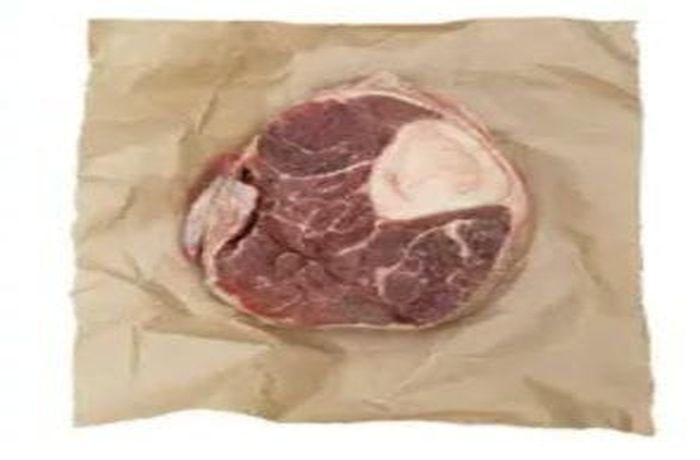
2. Osobuco (Cross-Cut Shank)
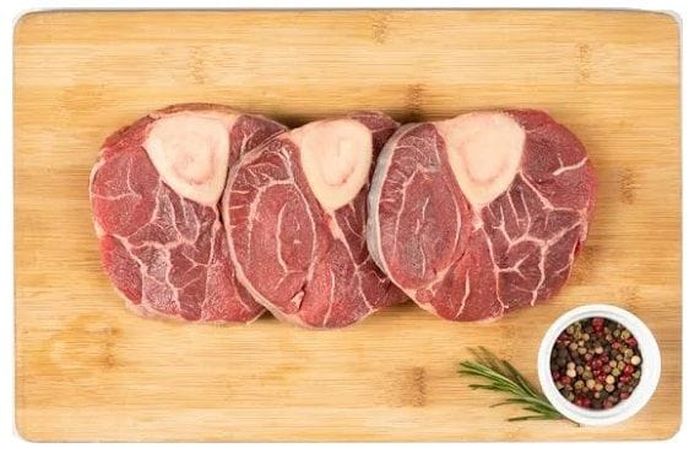
Osobuco is a bone-in cut from the lower front leg of the animal, distinguished by a cross-section of marrow bone at the center surrounded by lean and connective meat. The marrow dissolves into the broth as it cooks, producing an exceptionally rich and gelatinous liquid that is the hallmark of the best cazuelas.
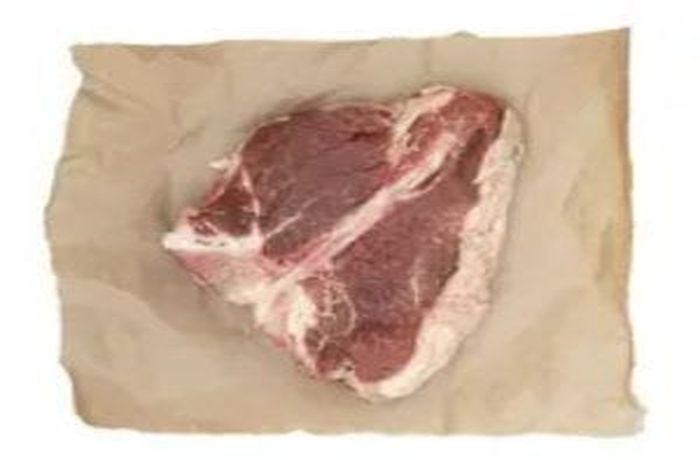
3. Tapapecho (Bone-In Brisket)
Tapapecho is a bone-in cut from the front chest of the animal — lean, tender, and well-suited to the long, gentle simmer of cazuela. It produces a clean-tasting broth without excessive fat, making it a good choice when a lighter result is preferred.
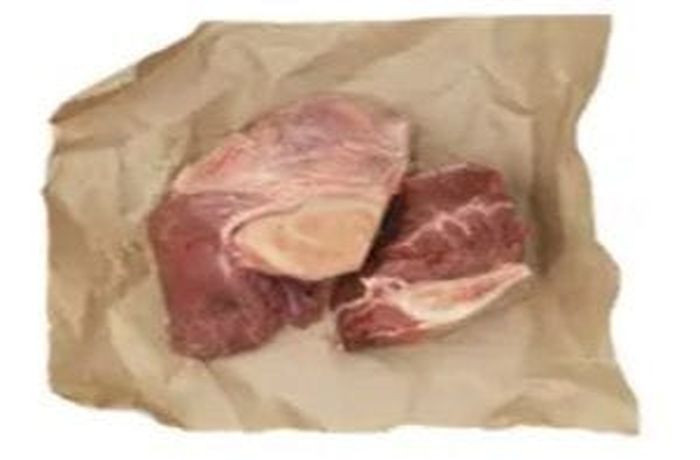
4. Plateada (Flat Iron)
Plateada is a boneless cut from the front of the animal with a moderate amount of intramuscular fat, offering a good balance of flavor and tenderness. It is the standard choice when bone-in cuts are not available, though the resulting broth will be slightly less gelatinous than with osobuco or asado de tira.
Frequently Asked Questions (FAQs)
Can I use cooked rice instead of raw rice in cazuela?
Yes, but add it at the very end. The recipe uses raw rice so it cooks in the broth and releases starch, naturally thickening and enriching the liquid. If using cooked rice, add it in the last 5 minutes alongside the green beans to avoid it falling apart.
What is the difference between Chilean cazuela and other South American stews?
Chilean cazuela is characterized by individual serving: each bowl contains one piece of meat and one large piece of each vegetable intact in the broth. Colombian sancocho and Spanish puchero tend to have greater variety of roots and tubers and are frequently served with condiments such as lemon and chili mixed in.
What is the best cut of beef for cazuela?
Bone-in cuts are strongly preferred: osobuco, asado de tira, and tapapecho all release gelatin and collagen into the broth as they cook, producing the characteristic depth of flavor. Plateada is a good boneless alternative.
How do I skim the broth while cooking?
As the beef comes to a boil in the first 25 minutes, fat and impurities rise to the surface. Skim them off with a large spoon at regular intervals. This step reduces the caloric content and produces a cleaner, clearer broth without altering the flavor.
What Is Chilean Beef Cazuela?
Cazuela de vacuno is the flagship dish of Chilean home cooking — a heritage preparation that represents the shared table and domestic warmth across the entire country. It is a one-pot stew built on bone-in beef simmered in water with aromatics, to which successive layers of vegetables are added: potato, squash, corn, carrot, bell pepper, green beans, and raw rice that thickens the broth as it cooks. The result is served individually in deep bowls, each containing one piece of meat and one large piece of every vegetable submerged in a golden, richly flavored broth.
History of Cazuela in Chile
The cazuela tradition in Chile draws from the Spanish “olla podrida” — a highly varied meat-and-vegetable stew introduced during the colonial period in the eighteenth century — which was gradually transformed using indigenous American ingredients: potato, corn, squash, and beans from the land. Over generations the Chilean version developed its signature individual-serving format and evolved into the definitive one-pot meal of Chilean domestic cuisine, with regional variants including chicken cazuela, pork cazuela, and the coastal cochayuyo cazuela made with dried seaweed.
Did You Know?
Chilean cazuela de vacuno is considered a complete nutritional meal in a single bowl — combining protein from the beef, complex carbohydrates from the potato and rice, vitamins from the squash and green beans, and hydration from the broth. In Chilean culinary tradition, a cazuela that produces a rich, golden broth after 25 minutes of gentle simmering is a reliable indicator of high-quality bone-in beef with sufficient marrow and collagen content.