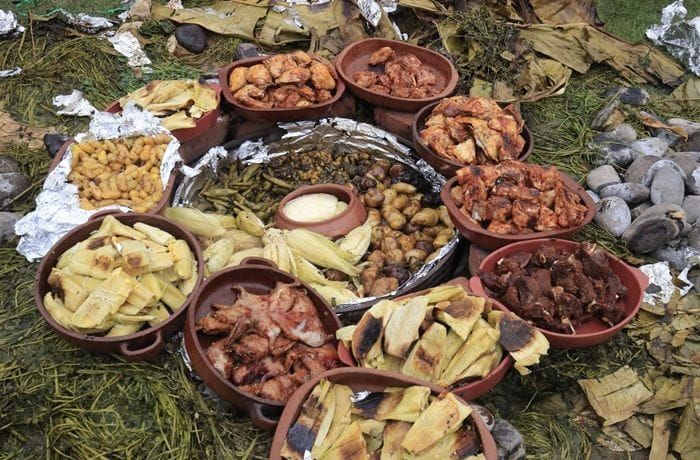
Quechua Pachamanka is an ancestral Andean earth oven preparation made by marinating lamb, beef, and pork overnight in garlic, oregano, and beer, then layering the meats with potatoes, sweet potato, fava beans, and sweet humitas over volcanic stones heated until red-hot in a sealed underground pit — cooked for 90 minutes and serving 6 people.
One of the oldest and most symbolic dishes of the Andes, pachamanka — from the Quechua words “pacha” (earth) and “manka” (pot) — is a culinary technique and a ritual act in one, representing over three thousand years of continuous connection between Andean peoples and Pachamama, the Earth Mother.
How to Make Quechua Pachamanka?
Pachamanka is built on three sequential elements that must each be prepared before the earth pit is opened: the overnight marinade that tenderizes and flavors three different meats simultaneously; the pit itself, dug to approximately 70 cm and lined with volcanic stones preheated until red-hot; and the precise layering of ingredients separated by corn husks and huacatay branches, which act as both flavor conductors and heat buffers during the 90-minute underground cook. The final seal of damp earth that locks in the steam is what transforms the layered raw ingredients into a single unified dish with no single dominant flavor — every element absorbs something from every other.
Nutritional Information
Each serving of Quechua Pachamanka contains approximately 900 calories, 54 g of proteins, 42 g of total fats (16 g saturated), 85 g of carbohydrates, 14 g of sugars, 130 mg of cholesterol, and 980 mg of sodium. The combination of three meats with multiple starchy tubers makes pachamanka one of the most calorically dense traditional Andean preparations — a dish historically associated with communal celebrations and agricultural festivals rather than everyday consumption.
Quechua Pachamanka Recipe
Prep Time: 150 minutes (plus overnight marinating)
Cook Time: 90 minutes
Servings: 6
Ingredients
- 1 kg lamb, bone-in pieces
- 1 kg beef, bone-in pieces
- 1 kg pork, bone-in pieces
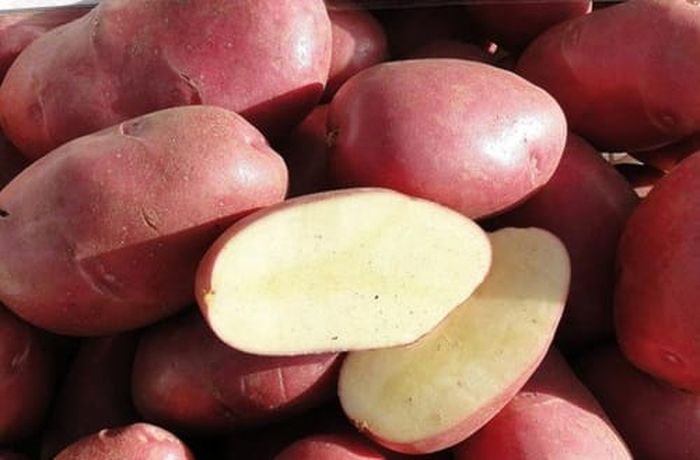
- 12 medium potatoes, scrubbed whole
- 3 medium sweet potatoes, cut in thick slices
- 500 g fresh fava beans, shelled
- 6 sweet humitas (fresh corn tamales wrapped in corn husks)
- 200 g fresh white cheese (queso fresco)
- 4 garlic cloves, minced
- 3 rocotos (Andean red peppers), finely chopped
- 1 bunch fresh huacatay (Andean black mint)
- 1 cup blonde beer
- 1 tablespoon dried oregano
- Vegetable oil
- Fine sea salt
- Volcanic or dense river stones (enough to cover the pit base)
- Corn husks and alfalfa or huacatay branches for layering
Instructions
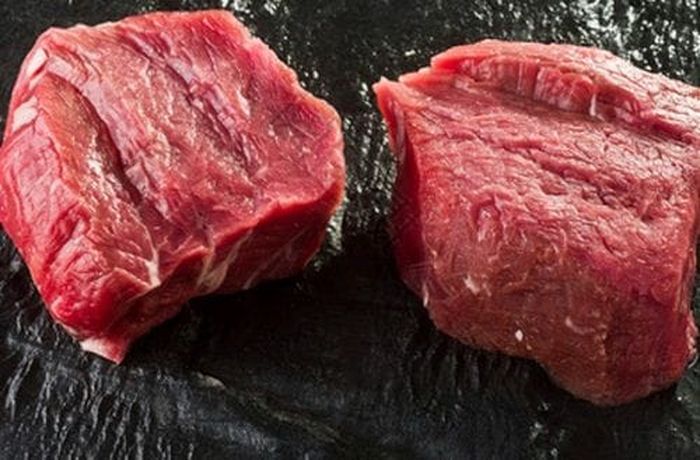
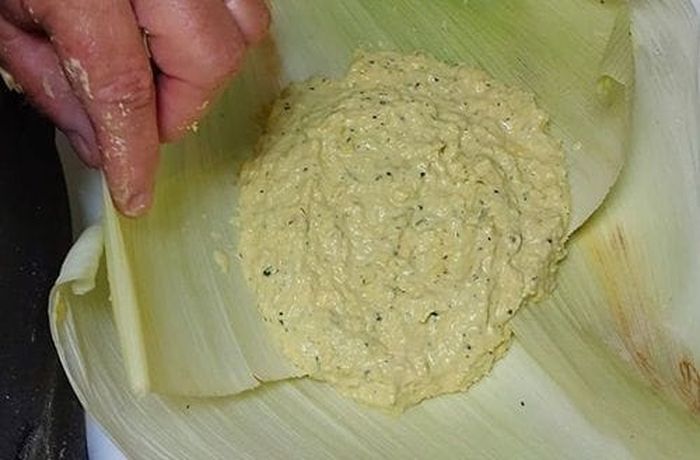
- Marinate the meats: Combine the lamb, beef, and pork in a large container. Add the minced garlic, dried oregano, salt, and beer. Mix thoroughly to coat all surfaces. Cover and refrigerate overnight. Separately, prepare the sweet humitas: grind fresh corn kernels and mix with sugar, cinnamon, and orange zest, wrap in corn husks, and tie securely.
- Heat the stones and prepare the pit: Dig a pit approximately 70 cm deep and 80 cm wide. Build a fire inside and place the volcanic or dense river stones over it. Heat the stones for at least 2 hours until they are red-hot throughout. Meanwhile, wash the potatoes and cut the sweet potatoes into thick slices. Shell the fava beans and set aside with the humitas and fresh cheese.
- Layer the ingredients: Line the pit base with corn husks and alfalfa or huacatay branches over the hot stones. Distribute the marinated meats in the first layer, then add the potatoes, sweet potato slices, fava beans, and humitas in alternating layers, separating each layer with corn husks and huacatay branches. Add the fresh cheese and rocoto among the upper layers. The huacatay perfumes the entire pit as the steam rises.
- Seal and cook: Cover the layered pit completely with damp earth, sealing every gap to trap the steam inside. Cook undisturbed for a minimum of 90 minutes. To serve, carefully remove the earth seal and peel back the layers one by one. Serve immediately in deep bowls, accompanied by capchi sauce made from rocoto pepper, fresh white cheese, and huacatay.
Stovetop Pachamanka
When an Earth Pit Is Not Possible
Line the base of a large, deep pot with corn husks and huacatay branches. Distribute the marinated meats in alternating layers with the potatoes, sweet potato, fava beans, and humitas, separating each layer with corn husks. Add one cup of water or broth to generate steam. Seal the pot hermetically with a tight-fitting lid and cook over very low heat for 90 minutes, checking halfway through that liquid has not fully evaporated and adding a small splash if needed. Rest covered for 10 minutes before opening.
Additional Tips
Choose the Right Stones
Use only volcanic or dense river stones that are completely dry before heating. Porous stones or stones that have been submerged in water trap moisture in their structure — this moisture turns to steam under intense heat and can cause the stone to crack or explode violently. Heat the stones gradually over a low fire rather than exposing them to sudden high heat. Granite and basalt are reliable choices; sandstone and limestone are not.
Balance Lean and Fatty Cuts
The ideal pachamanka layers lean cuts (lamb shoulder, beef chuck) alongside fattier pieces (pork belly, pork ribs). As the fat renders underground, it bastes the leaner meats and the tubers below, creating the basting effect that no above-ground cooking method can replicate. Avoid using exclusively lean cuts — the dish will be dry and lack depth.
Seal the Earth Completely
Any gap in the earth seal allows steam to escape, which reduces the internal temperature of the pit and results in unevenly cooked ingredients. Use damp — not soaking wet — earth, which is more plastic and conforms to irregular surfaces. Pack the edges firmly with hands before smoothing the top.
| Ingredient | Traditional Version | Substitute | Notes |
|---|---|---|---|
| Lamb | Bone-in pieces | Alpaca, guinea pig, or chicken | Chicken requires 30 min less cooking underground |
| Huacatay | Fresh Andean black mint | Fresh spearmint + tarragon | No perfect substitute — huacatay has a unique flavor profile |
| Rocoto | Fresh Andean red pepper | Yellow chili or red bell pepper + cayenne | Bell pepper for mild; add cayenne to restore heat |
| Corn husks | Fresh or dried corn husks | Banana leaves or parchment paper | Banana leaves add a subtle tropical note |
Frequently Asked Questions (FAQs)
Can pachamanka be made with other types of meat?
Yes. While lamb, pork, and beef are traditional, you can also use alpaca, guinea pig (cuy), or chicken. For a vegetarian version, double the amount of tubers and add large mushroom caps or pumpkin pieces in place of the meat layers.
What is the role of huacatay in pachamanka?
Huacatay (Andean black mint, Tagetes minuta) is the signature aromatic herb of pachamanka. It provides a fresh, mentholated fragrance that permeates all the ingredients as they cook and aids in the digestion of the meats and tubers. Fresh spearmint combined with tarragon can approximate it if unavailable.
What do I do if I cannot find fresh rocoto pepper?
Substitute rocoto with yellow chili or limo chili to maintain the heat level and color of the capchi sauce. For a milder result, use red bell pepper with a pinch of chili powder or cayenne to add some warmth.
Are river stones safe to use for pachamanka?
River stones can be used but must be dense and completely dry before heating. Avoid porous stones or any that have been submerged in water for a long time, as trapped moisture turns to vapor under intense heat and can cause the stone to crack or explode. Always preheat the stones gradually over a low fire.
Can I make pachamanka without an earth pit?
Yes. The stovetop version uses a large deep pot lined with corn husks and huacatay branches. Layer the marinated meats with the tubers, fava beans, and humitas, add one cup of water or broth, seal hermetically, and cook over very low heat for 90 minutes.
What Is Quechua Pachamanka?
Quechua Pachamanka is one of the oldest and most symbolically significant culinary preparations of the Andean world. Its name combines two Quechua words — “pacha” (earth) and “manka” (pot) — that together describe the defining technique: cooking food underground in a pit sealed with damp earth over volcanic stones heated until red-hot. The dish integrates multiple proteins and tubers native or historically central to Andean agriculture — potato, sweet potato, fava bean, and corn — with meats marinated in aromatics and cooked simultaneously in a sealed environment where every ingredient flavors every other through the shared steam.
History of Pachamanka in the Andes
Pachamanka represents over three thousand years of continuous Quechua cultural practice, documented in pre-Columbian ceramic art and described by early Spanish colonial chroniclers as a central element of Andean ceremonial life. It was prepared during major agricultural festivals including Inti Raymi (Festival of the Sun) and Pachamama Raymi (Festival of the Earth), cooked overnight so that the community could eat together at dawn. The ritual dimension of pachamanka — cooking as an act of reciprocity with the earth — remained integral to its practice even as the Spanish colonial period introduced new meats (lamb, pork, beef) that were incorporated alongside the original Andean ingredients.
Did You Know?
In Quechua cosmovision, pachamanka was never simply a cooking method — it was a ritual act of returning to Pachamama a portion of what she had provided. The underground sealing symbolized the seed entering the earth; the uncovering after 90 minutes was the harvest. Today, UNESCO has recognized similar earth oven traditions across the Andean region as part of the intangible cultural heritage of humanity. In Peru, Bolivia, and northern Chile, communal pachamanka events continue to be organized for harvest festivals, family gatherings, and national celebrations, maintaining a living ceremonial connection to the land that three millennia of history have not interrupted.