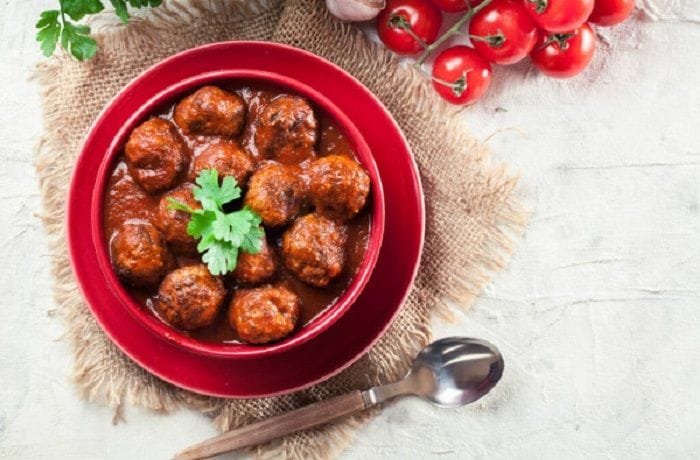
Chilean meatballs in tomato sauce, or albóndigas con salsa de tomate, are ground beef mixed with a blend of egg, milk, white wine, garlic, bread crumbs, and parsley, shaped into balls, browned in oil, and simmered in tomato sauce for 10 minutes. They take 30 minutes of preparation and 30 minutes of cooking, and serve 4.
A comforting classic of Chilean home cooking, soft and juicy inside, often served for Sunday lunch with pasta, rice, or mashed potatoes.
How to Make Meatballs in Sauce?
They are usually made with beef, but pork, turkey, chicken, a mix, or plant based meat also work, adjusting the cooking. The seasoned mixture rests briefly in the fridge, the meatballs are shaped, browned, and finished in the sauce.
Nutritional Information
Each serving of meatballs in tomato sauce contains approximately 280 calories, 15 g of carbohydrates, 20 g of protein, 12 g of fat, 2 g of fiber, 5 g of sugars, 80 mg of cholesterol, and 700 mg of sodium. These values are estimates and may vary depending on ingredients and portion sizes.
Homemade Chilean Meatballs in Tomato Sauce Recipe
Preparation: 30 minutes
Cooking: 30 minutes
Servings: 4
Ingredients
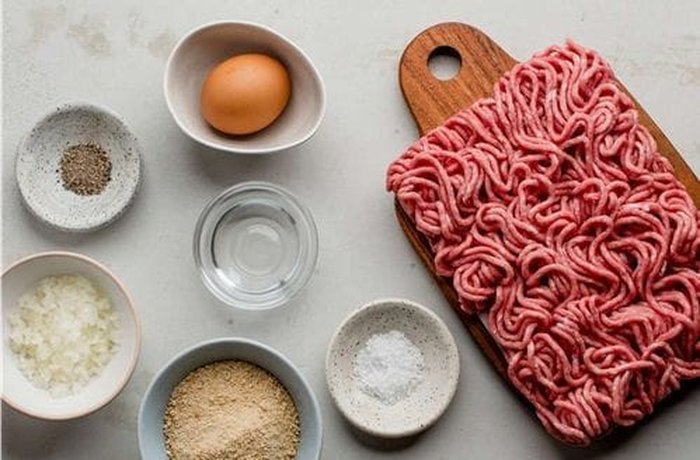
- 500 g of ground beef
- 400 g of tomato sauce
- 50 ml (3½ tablespoons) of milk
- 15 ml (1 tablespoon) of white wine
- 3 tablespoons of chopped parsley
- 25 g (¼ cup) of bread crumbs
- 1 egg
- 2 garlic cloves
- Fine salt
- Black pepper
- Sunflower oil for frying
Instructions
- In a hand blender cup or blender, combine the egg, milk, wine, chopped garlic, bread crumbs, salt, and pepper, add the fresh parsley, and mix gently.

- Place the meat in a large bowl, pour the mixture over it, and mix with your hands or a wooden spoon until even. Cover with plastic wrap, chill for 10 minutes, and adjust the seasoning if needed.
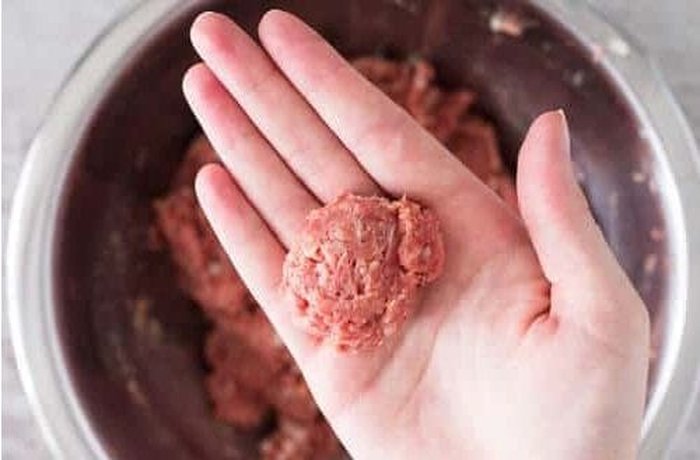
- Put a little flour or bread crumbs on a plate. Shape the meatballs with your palms, usually 4 to 5 cm (1½ to 2 inches) across, dust them lightly, and set them on a tray.
- Heat a splash of sunflower oil in a large skillet over medium high heat and fry the meatballs for 2 to 3 minutes per side until browned.
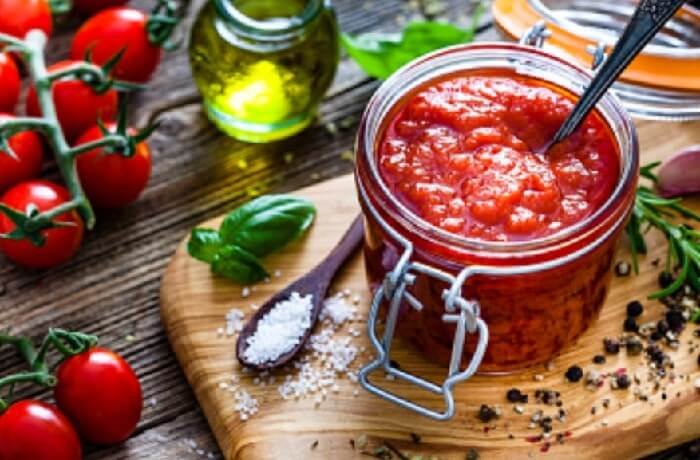
- Add the tomato sauce, stir gently, bring to a boil, then lower the heat, cover, and cook for about 10 minutes. Serve with pasta, white rice, boiled potatoes, or fries, garnished with fresh basil and grated cheese if you like.
Additional Tips
Make your own sauce
Cook a sofrito of onion and garlic, add crushed tomato, season with salt and a pinch of sugar, and simmer for about 30 minutes while you make the meatballs.
Do not overwork the mix
Overmixing makes the meatballs dense. Mix just until combined.
Mix your meats
Combining beef and pork gives juicier, more flavorful meatballs.
| Original ingredient | Substitute | Ratio | Flavor note |
|---|---|---|---|
| Ground beef | Beef and pork mix | 500 g | Juicier |
| Egg | 1 tablespoon of mustard or plain yogurt | 1 | Egg free |
| Bread crumbs | Oat flakes | 25 g | More fiber |
| Frying | Baking at 200°C (392°F) | 15 minutes | Less oil |
Frequently Asked Questions (FAQs)
1. Can I make meatballs without egg?
Use a tablespoon of mustard, mashed potato, plain yogurt, or water mixed with vinegar and cornmeal to bind the mixture.
2. How do I keep them from turning out dry?
Do not overwork the mixture and include a moist ingredient, such as bread crumbs soaked in milk or a little extra fat.
3. Can I freeze meatballs?
Yes, both the meatballs and the sauce freeze well for up to 3 months in an airtight container. Reheat slowly, adding a little liquid if needed.
4. Which meat is best?
Ground beef is the most common, but pork, chicken, or turkey work too. A beef and pork mix is the juiciest.
History of Meatballs
Meatballs are one of the most universal dishes, and they reached Chile through Arab and Spanish influence. In Chilean homes they became a family favorite, especially on Sundays, bathed in a thick tomato sauce.
Did You Know?
The Spanish word albóndiga comes from the Arabic al-bunduqa, meaning hazelnut, used figuratively for any small round ball.
How to adapt this recipe to a vegan or vegetarian version?
How to adapt this recipe to a gluten-free version?
How to adapt this recipe to a keto (ketogenic) version?
Recommended
- Chilean Meatball Cazuela Recipe
- Homemade Tomato Sauce Recipe
- Chilean Mashed Potatoes Recipe
- Salmon Meatballs Recipe