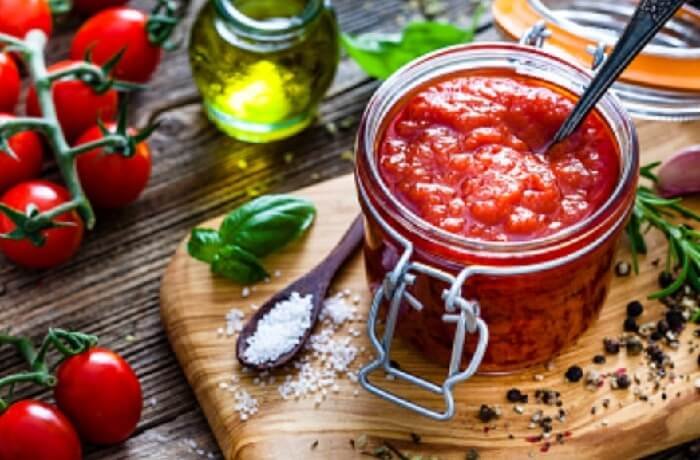
Homemade tomato sauce, or salsa de tomates casera, is made by blanching and peeling ripe tomatoes, simmering them with a soft sofrito of onion and garlic in olive oil, salt, pepper, and optional oregano or bay leaf, then blending until smooth. It takes 20 minutes of preparation and about 50 minutes of cooking, and serves 4.
It is a fresh, versatile sauce worth the time, and once you make it you will rarely buy processed sauce again.
How to Make Homemade Tomato Sauce?
Plum tomatoes are ideal. They are scored, blanched in boiling water, cooled, peeled, and seeded, then cooked slowly for about 40 minutes with a sofrito of onion and garlic. The sauce is blended, simmered 5 minutes more, and packed into jars.
Nutritional Information
Each serving of homemade tomato sauce contains approximately 80 kcal, 2 g of protein, 4 g of fat, 0 mg of cholesterol, 11 g of carbohydrates, 8 g of sugars, 2 g of fiber, and 300 mg of sodium. These values are estimates and may vary depending on ingredients and portion sizes.
Homemade Tomato Sauce Recipe
Preparation: 20 minutes
Cooking: 50 minutes
Servings: 4
Ingredients
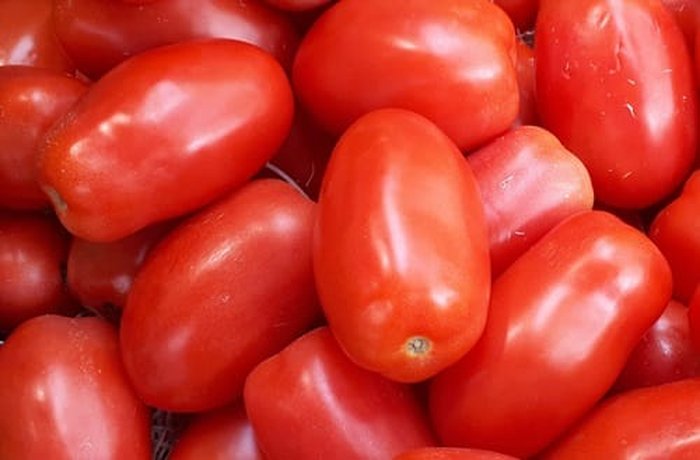
- 1½ kg of ripe tomatoes, ideally plum tomatoes
- 1 large onion
- 4 garlic cloves
- Olive oil
- Oregano
- Bay leaves
- Fine salt
- Black pepper

Instructions
- Wash the tomatoes well in cold water. With a sharp knife, cut a 2 cm cross in the top of each. Bring a large pot of water to a boil, plunge the tomatoes in for about 60 seconds, lift them out with a slotted spoon, and transfer to a bowl of cold water for another 60 seconds. Peel, chop, and remove the seeds.
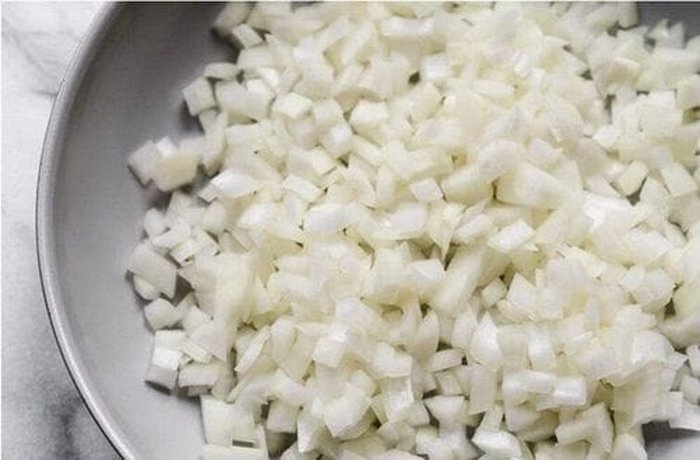
- In a large skillet, heat a splash of olive oil over medium heat and add the diced onion and finely chopped garlic. Cook until the onion turns translucent. Add the chopped tomatoes, season with salt and pepper, add oregano or bay leaves if you like, and cook over low heat for about 40 minutes, stirring occasionally.
- Transfer to a blender and blend until smooth, return to the skillet, and simmer over low heat for 5 more minutes. Taste and adjust the seasoning. Pour the hot sauce into jars, let cool to room temperature, and keep refrigerated until ready to use.
Additional Tips
Balance the acidity
Depending on your tomatoes, if the sauce is too acidic, add a pinch of sugar. For an even smoother sauce, pass it through a fine sieve.
Choose plum tomatoes
Plum or Roma tomatoes have less water and more pulp, so the sauce thickens naturally in less time and concentrates its flavor.
Add basil at the end
Bay leaf and dried oregano withstand long cooking. If you use fresh basil, add it at the end, off the heat, so it keeps its aroma.
| Original ingredient | Substitute | Ratio | Flavor note |
|---|---|---|---|
| Fresh tomatoes | Canned whole tomatoes | 1 kg = 2½ cans | Good out of season |
| Oregano | Fresh basil | A handful, at the end | Sweeter, Italian style |
| Onion | Carrot + onion | 1 small carrot | Sweeter, less acidic |
| Olive oil | Butter | 2 tablespoons | Rounder, silkier |
Frequently Asked Questions (FAQs)
1. Why remove the seeds before cooking?
Although edible, the seeds and the gel around them hold much of the acidity and a slight bitterness. Removing them gives a sweeter, cleaner sauce with a smoother texture.
2. How do I know my jars sealed properly?
Fill sterilized jars with the hot sauce and let them cool upside down. Once cold, press the center of the lid. If it does not move or click, the vacuum has formed. If it does, the seal failed and the sauce should be refrigerated and eaten soon.
3. Can I freeze tomato sauce?
Yes. Leave at least 2 cm of space at the top of the container, since the sauce expands as it freezes. It keeps up to 6 months in the freezer.
4. Can I use very ripe tomatoes?
Yes, as long as they have no mold or sour smell. Very ripe tomatoes are the best for sauce because of their high natural sugar content. Just cut away any damaged parts before blanching.
How to Store Tomato Sauce
Pour the sauce while still hot into sterilized jars, leaving about 1 cm of headspace, and seal them tightly. Properly sealed jars keep in a cool, dark place for months, but once opened the sauce should be refrigerated and eaten within 5 to 7 days.
History of Tomato Sauce
Tomatoes are native to the Americas, and sauces made from them were already part of Aztec cooking when the Spanish arrived in Mexico. Brought to Europe, tomato sauce found its greatest expression in Italy, where it became the classic dressing for pasta by the late eighteenth century.
Did You Know?
Tomatoes are rich in vitamin C, potassium, and lycopene, an antioxidant that becomes more available to the body when tomatoes are cooked with a little oil, as in this sauce.
How to adapt this recipe to a vegan or vegetarian version?
How to adapt this recipe to a gluten-free version?
How to adapt this recipe to a keto (ketogenic) version?
Recommended
- Chilean Salsa Americana Recipe
- Homemade Chilean Pebre Recipe
- Chilean Salsa Margarita Recipe
- Homemade Teriyaki Sauce Recipe