Versión en Español: ¿Cómo preparar pollona de Los Ángeles? Receta chilena auténtica para 6 personas
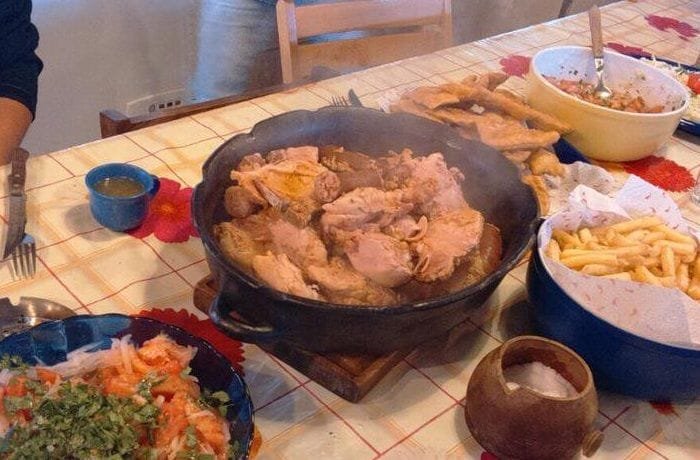
Chilean pollona de Los Ángeles is a three-meat stew made with 6 double chicken thighs, 6 pork rib pieces, and 6 country longanizas, slow-cooked in 720 ml of vino pipeño and 720 ml of homemade roasted chicken stock in a clay pot for 60 minutes. Total time including stock preparation is approximately 4 hours. The result is a deeply flavored, wine-braised stew with tender, fall-off-the-bone meats and a rich broth served alongside. Serves 6 people.
Pollona has been the official emblematic dish of the city of Los Ángeles, Biobío Region, since 2004, when the Regional Tourism Council formally recognized it as part of the local gastronomic heritage. The name does not refer to chicken alone but to the combination of three meats cooked together — the chicken (pollo or pollona, referring to a larger, older hen traditionally used) gives the dish its name. Authentic preparation calls for an olla de greda (clay pot) over wood fire, which imparts a subtle smokiness that is difficult to replicate with standard cookware. Serves 6 people.
How to Make Chilean Pollona de Los Ángeles?
The dish has two stages that cannot be skipped: first, a homemade roasted chicken bone stock that forms the braising liquid; second, a pre-blanching of the pork ribs and longanizas to remove excess fat and salt before combining all three meats in the clay pot with wine and stock. The entire process takes about 4 hours, most of which is passive simmering. A day-ahead stock preparation significantly reduces active kitchen time.
Nutritional Information
Each serving contains approximately 600 kcal, 20 g of carbohydrates, 35 g of total fat, 40 g of protein, 3 g of fiber, 4 g of sugars, 140 mg of cholesterol, and 900 mg of sodium. This dish is classified as high in saturated fat, sodium, and calories — in line with its character as a festive, celebratory preparation rather than a daily meal. Chicken contributes lean protein, niacin, zinc, and vitamin B12.
Homemade Chilean Pollona de Los Ángeles Recipe
Prep Time: 150 minutes
Cook Time: 60 minutes
Servings: 6 people
Ingredients for the Chicken Stock
- 1 kg chicken backs or frames (espinazos de pollo)
- 1 onion, roughly chopped
- 1 carrot, roughly chopped
- 1 celery stalk, chopped
- 4 sprigs of flat-leaf parsley
- 4 whole black peppercorns
- 1 bay leaf
- Sea salt to taste
- 3 litres of cold water
Ingredients for the Pollona
- 6 double chicken thighs (trutros dobles), skin on
- 6 pork rib pieces (costillar de cerdo), bone-in
- 6 country longanizas (or smoked pork sausages)
- 720 ml vino pipeño (or semi-dry white or light red wine)
- 720 ml homemade chicken stock (from above)
- 4 garlic cloves, crushed
- 3 tablespoons vegetable oil
- Fine salt and black pepper to taste
Instructions
- Roast the stock bones: Preheat the oven to 200°C (390°F). Arrange the chicken frames, onion, carrot, and celery on a roasting tray. Roast for 60 minutes until the bones and vegetables are well browned — this caramelization is what gives the stock its depth of flavor.
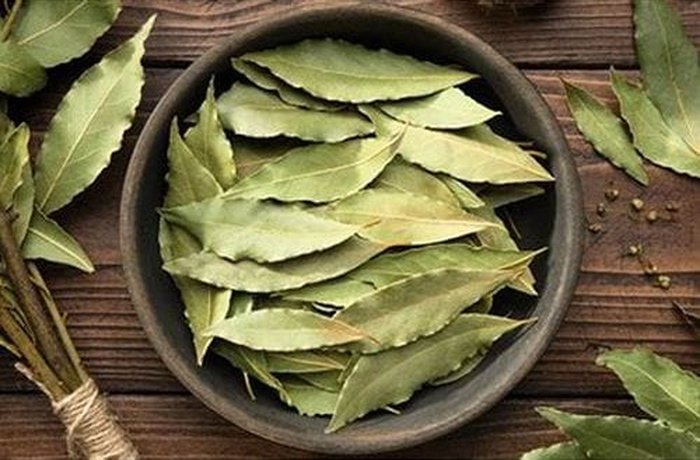
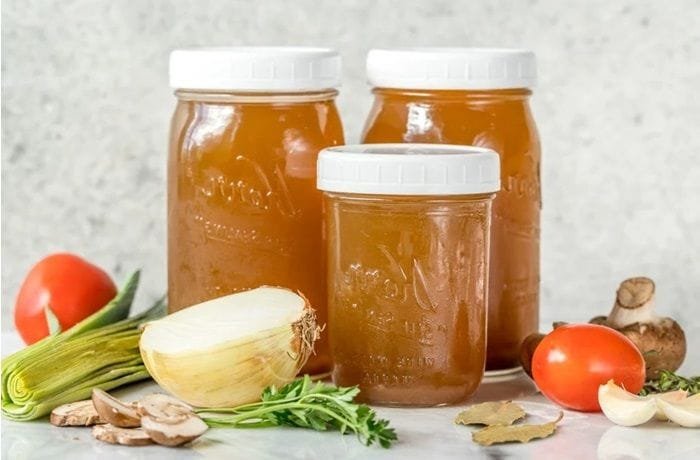
- Make the stock: Transfer the roasted bones and vegetables to a large pot. Cover with 3 litres of cold water and add the peppercorns, parsley, and bay leaf. Bring to a boil over high heat, then reduce to a low simmer and cook uncovered for 90 minutes, skimming the surface regularly to remove foam and fat and achieve a clear, golden stock. Season with sea salt, stir, and strain through a fine sieve, discarding the solids. Set aside to cool.
- Blanch the pork meats: Place the pork rib pieces and longanizas in a large pot. Cover with cold water and bring to a boil over medium heat. Cook for 30 minutes. Drain, discard the cooking liquid, and set the meats aside. This step removes excess fat from the ribs and excess salt and oil from the longanizas.
- Sear the chicken: In a large pan, heat the oil over medium heat. Add the crushed garlic and sauté for 1 to 2 minutes until fragrant but not browned. Add the chicken thighs skin-side down and sear for 2 to 3 minutes per side until lightly golden. Do not cook through — this is only to seal the surface and lock in the juices.
- Assemble and slow-cook: Transfer the seared chicken to a preheated clay pot (or heavy-bottomed casserole). Add the pipeño wine and bring to a boil over medium heat. Add the chicken stock, blanched pork ribs, and longanizas. Season generously with salt and pepper. Reduce to the lowest possible heat, cover, and cook for 60 minutes. Serve very hot in deep individual bowls, ladling the broth over the meats. Accompany with french fries, sopaipillas, and pebre on the side.
(*) Recipes are provided as a reference and should be adjusted according to available ingredients and equipment. We recommend testing and modifying recipes to suit your preparation style and personal preferences.
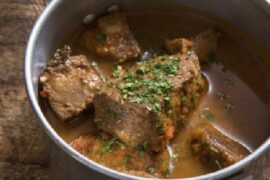
The finished pollona has fall-off-the-bone chicken thighs, tender pork ribs, and plump, deeply smoky longanizas sitting in a wine-and-stock broth that concentrates all the rendered fats and aromatics from the three meats. The broth is served separately in a small bowl alongside the plate — dipping sopaipillas into it is the traditional way to eat it. With 4 hours of total preparation, this is a weekend dish and a genuine centerpiece for a Chilean family gathering.
Additional Tips
Marinate the Chicken and Pork Overnight
Some traditional cooks marinate the chicken thighs and pork ribs from the night before in a mixture of vino pipeño, crushed garlic, sliced onion, and a pinch of dried ají cacho de cabra. A 12-hour marinade deeply seasons the meats and significantly reduces the cooking time needed to achieve tender, well-flavored results in the clay pot.
Make the Stock a Day Ahead
The homemade roasted chicken stock is the backbone of the dish. Preparing it the day before allows you to refrigerate it overnight, making it easy to remove the solidified fat layer from the surface the next morning before using the stock. A defatted stock produces a cleaner, lighter broth while still delivering full flavor.
Preheat the Clay Pot Before Adding the Meats
A cold clay pot placed directly over heat can crack. Always preheat it gradually — place it over very low heat with a small amount of liquid inside for 5 to 10 minutes before increasing the temperature. If using a standard Dutch oven or casserole instead, no preheating is necessary, but the clay pot’s slow, even heat release cannot be fully replicated.
| Original Ingredient | Substitute | Notes |
|---|---|---|
| Vino pipeño | Semi-dry Sauvignon Blanc or light Pinot Noir | Avoid heavily oaked or high-tannin wines — they turn bitter after long cooking |
| Espinazos de pollo | Chicken wings or whole carcass | Any bone-in chicken piece with collagen produces equally rich stock |
| Longanizas de campo | Spanish chorizo or smoked bratwurst | Must be cured; raw fresh sausages will not hold together during 60-minute simmer |
| Olla de greda (clay pot) | Dutch oven or heavy cast-iron casserole | Add a small piece of unglazed terracotta to the pot to approximate the mineral note |
Frequently Asked Questions (FAQs)
Is it necessary to precook the pork ribs and longanizas before adding them to the stew?
Yes. Blanching the pork ribs and longanizas in boiling water for 30 minutes removes excess fat and salt from the longanizas, resulting in a cleaner, less heavy stew. The smoky flavor stays in the meat — only the excess fat and brine are removed. Skipping this step makes the final broth greasy and overly salty.
What is the role of the clay pot (olla de greda) in pollona de Los Ángeles?
The clay pot retains heat uniformly and releases it slowly and evenly, allowing the three meats to cook at a very low simmer that gradually integrates their flavors without drying out the chicken. A preheated clay pot also adds a subtle earthy, mineral note that is part of the dish’s traditional character and cannot be fully replicated with standard metal cookware.
Can I substitute vino pipeño with another wine?
Yes. Vino pipeño is a young, lightly fermented rustic Chilean wine with low tannins and mild acidity. A semi-dry white wine such as Sauvignon Blanc or a light, young red such as Pinot Noir are the closest substitutes. Avoid heavily oaked or high-tannin wines, which can turn bitter after 60 minutes of slow cooking.
Can I make a lighter version of pollona?
Yes. Use skinless chicken thighs, replace the pork ribs with lean loin (lomo de cerdo), and choose low-fat longanizas or Spanish chorizo. After making the stock, refrigerate it overnight and remove the solidified fat layer from the surface before adding it to the stew.
What drinks pair best with pollona de Los Ángeles?
The same vino pipeño used in the recipe is the traditional pairing. Chilean craft beers in Amber Ale, Irish Red Ale, or Vienna Lager styles also complement the smoky, savory flavors of the longanizas and the richness of the braised pork ribs.
What Is Pollona de Los Ángeles?
Pollona de Los Ángeles is a three-meat stew combining a large chicken cut (traditionally an older hen — pollona — prized for its deeper flavor), pork ribs, and country longanizas, braised together in vino pipeño and homemade chicken stock in a clay pot. The name comes from the city of Los Ángeles, capital of the Biobío Province, where this dish developed as the signature preparation of local celebrations, religious feasts, and family gatherings. It is classified as a guiso — a slow-cooked, liquid-based dish — rather than a dry roast, and the broth it produces is as important as the meats themselves.
History of Pollona de Los Ángeles in Chile
The origins of pollona de Los Ángeles are rooted in the agricultural traditions of the Biobío Region, where mixed farms raised chickens, pigs, and cattle alongside vineyards producing vino pipeño. Cooking the available meats together in a clay pot over a wood fire was a practical solution for large family gatherings and harvest celebrations. Over generations, the combination of chicken, pork ribs, and longanizas became codified as the specific formula of Los Ángeles, distinguishing it from similar guisos prepared in other regions of Chile. In 2004, the Regional Tourism Council of Biobío formally designated pollona as the official emblematic dish of Los Ángeles, an institutional recognition of its cultural significance that has helped preserve the recipe from being absorbed into more generic Chilean stew preparations.
Did You Know?
Since its official designation in 2004, pollona de Los Ángeles has been the centerpiece of an annual gastronomic festival held in the city, where restaurants and home cooks compete for the title of best pollona. The clay pot (olla de greda) used in traditional preparation is itself a piece of Mapuche and mestizo ceramic heritage — these unglazed earthenware vessels are still made by hand by artisans in the Biobío Region and are considered an inseparable part of the dish’s identity. A pollona cooked in a Dutch oven is technically the same recipe; a pollona cooked in a greda pot is the real thing.