Versión en Español: Receta de chicha de manzana con harina tostada: Cóctel chileno refrescante y nutritivo
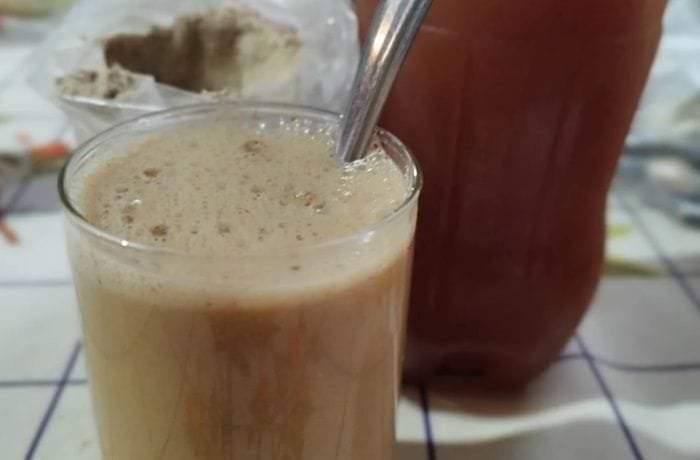
Chilean apple chicha with toasted flour (chicha de manzana con harina tostada) is a 3-ingredient rural drink made by dissolving 2 to 3 tablespoons of toasted wheat flour into 250 ml of cold apple chicha, sweetened with half a teaspoon of sugar or honey. Preparation takes 10 minutes with no cooking required. The result is a thick, slightly tangy, subtly smoky drink that is both refreshing and filling — one of the most traditional beverages of the Chilean countryside.
Harina tostada (toasted wheat flour) is a staple of Chilean peasant cooking that predates refrigeration. Dissolved in chicha, it transforms a simple fermented apple drink into something closer to a light meal: high in carbohydrates, with enough body to sustain field workers through long mornings. In rural southern Chile this combination was consumed daily during harvest seasons and is still prepared for traditional celebrations and fiestas patrias. Serves 4 glasses of 250 ml each.
How to Make Chilean Apple Chicha with Toasted Flour?
The technique is minimal: sift the flour directly into a tall glass to prevent clumping, pour cold chicha slowly while stirring continuously, then sweeten to taste. The key variables are flour texture (finely milled toasts faster without lumps) and chicha temperature (cold chicha develops a light, stable foam when stirred). No blender or cooking equipment is needed.
Nutritional Information
Each 250 ml serving contains approximately 210 kcal, 4 g of protein, 3 g of total fat (0.5 g saturated), 45 g of carbohydrates, 22 g of sugars, and 25 mg of sodium. The toasted flour contributes complex carbohydrates and trace minerals; the apple chicha provides natural sugars, potassium, and polyphenols from the fermentation process. This drink is classified as high in sugars.
Homemade Chilean Apple Chicha with Toasted Flour Recipe
Prep Time: 10 minutes
Cook Time: None
Servings: 4 glasses (250 ml each)
Ingredients
- 1 litre of apple chicha (fermented or fresh, well chilled)
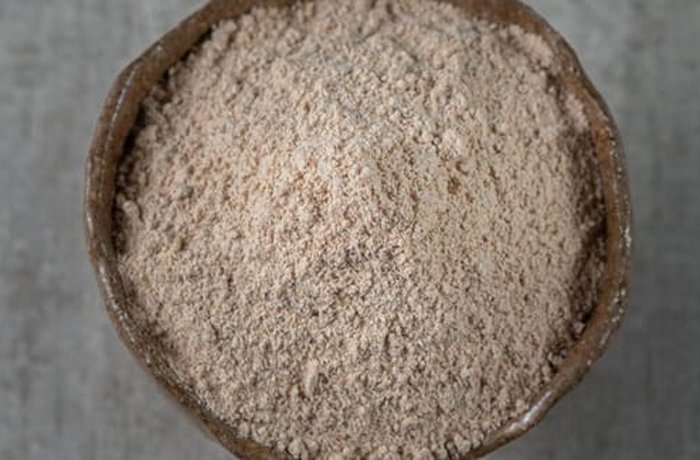
- 200 g of toasted wheat flour (harina tostada)
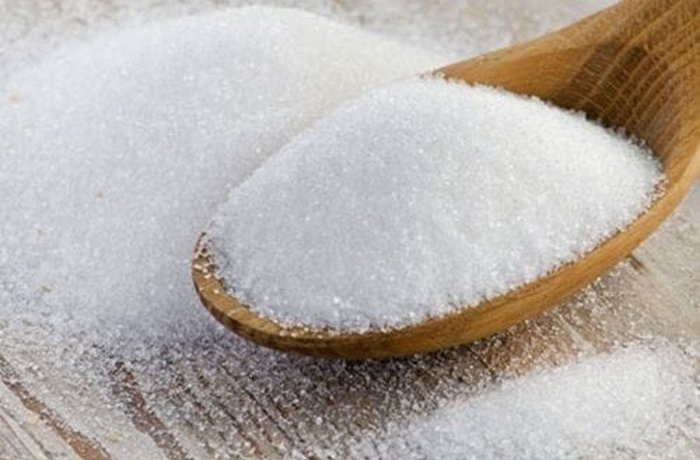
- 1 teaspoon of granulated sugar, honey, or raw cane sugar (optional, to taste)
Instructions
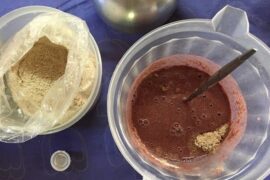
- Sift 2 to 3 heaped tablespoons of toasted wheat flour (about 15 g) through a fine sieve directly into the bottom of a tall glass. Sifting removes any coarse lumps before the liquid is added, making the drink much smoother.
- Gradually pour 250 ml of cold apple chicha over the flour in a thin, steady stream while stirring continuously with a long spoon. Stir from the bottom up to incorporate the flour completely into the liquid without leaving any dry pockets. Continue stirring until the mixture is smooth and homogeneous with no visible flour clumps.
- Taste the drink. If sweetening is needed, dissolve half a teaspoon of sugar or honey in a small splash of chicha in a separate cup first, then pour the dissolved sweetener into the glass and stir. Adjust according to the natural sweetness of your chicha — freshly fermented artisanal chicha is more tart than commercial versions.
- Add a few cubes of ice or crushed ice for a cold, refreshing summer version. For the traditional winter preparation, serve at room temperature without ice. Repeat for each glass and serve immediately — the flour begins to settle after a few minutes, so stir again briefly before drinking.
(*) Recipes are provided as a reference and should be adjusted according to available ingredients and equipment. We recommend testing and modifying recipes to suit your preparation style and personal preferences.
The finished drink has a pale golden color with a light, stable foam on the surface. The texture is thicker than plain chicha but still pourable — closer to a thin porridge-drink than a smoothie. The toasted flour brings a subtle nuttiness and smokiness that rounds out the apple tartness. Drink it cold in summer as a snack or at room temperature in winter as a warming, sustaining beverage between meals.
Additional Tips
Sift the Toasted Flour Every Time
Finely ground harina tostada dissolves quickly and leaves no lumps; coarsely ground flour clumps on contact with liquid. If your toasted flour is coarse, pass it through a fine-mesh sieve before measuring. A tablespoon of finely sifted flour dissolves in seconds; unsifted coarse flour may never fully integrate.
Chill the Chicha for at Least 4 Hours Before Serving
Cold chicha develops a light, stable foam when poured over the flour and stirred — this foam is part of the traditional texture of the drink. Chicha served at room temperature does not produce the same effect and feels flatter. Refrigerate the chicha for at least 4 hours, or overnight, before preparation.
Adjust the Fermentation Level to Your Preference
Artisanal apple chicha ranges from barely fermented (sweet, nearly 0% ABV, similar to fresh cider) to actively fizzing (tart, up to 4-5% ABV, lightly alcoholic). The flour absorbs some of the tartness and rounds out the flavor either way, but sweeter chicha needs less or no added sugar, while more fermented chicha benefits from a touch of honey to balance the acidity.
| Original Ingredient | Substitute | Notes |
|---|---|---|
| Apple chicha (fermented) | Fresh apple juice or sparkling apple cider | Non-alcoholic; reduce sugar as juice is sweeter |
| Toasted wheat flour | Toasted oat flour | Nuttier flavor; gluten-free oat flour also works |
| Granulated sugar | Honey or panela (raw cane sugar) | Dissolve in a little chicha first before adding to glass |
| Ice cubes | Crushed ice | Crushed ice keeps the drink colder and dilutes less |
Frequently Asked Questions (FAQs)
How do I sweeten this drink without overpowering the chicha flavor?
Add half a teaspoon of honey or raw cane sugar, dissolved first in a small splash of chicha before adding it to the glass. This distributes the sweetness evenly without creating a sugary pocket at the bottom, and preserves the natural tartness of the fermented apple drink.
What is the ideal ratio of toasted flour to chicha?
Use 2 to 3 heaped tablespoons (about 15 g) of toasted flour per 250 ml of chicha. More flour makes the drink thicker and more filling — closer to a liquid porridge. Less flour gives a lighter, more refreshing consistency. Start with 2 tablespoons on your first attempt and adjust from there.
Can this recipe be made with apple juice instead of chicha?
Yes. Fresh apple juice produces a sweeter, fully non-alcoholic version that is suitable for children. Reduce or omit the added sugar since commercial apple juice is significantly sweeter than artisanal fermented chicha. Carbonated apple juice or sparkling cider also works well and adds a pleasant effervescence.
What is the best way to serve this drink?
Use tall clay (greda) or cold glass vessels. Place the flour first, pour the chicha slowly while stirring from the bottom up, and finish with crushed ice for a refreshing cold version. In the traditional winter preparation, serve at room temperature without ice. Stir again briefly just before drinking as the flour settles quickly.
Is Chilean apple chicha alcoholic?
Artisanal chicha de manzana is lightly fermented and typically contains between 2% and 5% ABV depending on fermentation time and temperature. Commercial or freshly pressed chicha sold in Chilean markets is usually very lightly fermented, making it suitable for all ages. If in doubt, use fresh apple juice as a direct substitute.
What Is Chicha de Manzana con Harina Tostada?
This is a traditional Chilean rural beverage that combines two peasant staples: chicha de manzana (fermented or fresh apple drink) and harina tostada (toasted wheat flour). Harina tostada is made by dry-roasting wheat flour in a pan until it turns golden and develops a nutty, slightly smoky aroma. It is one of the oldest Chilean pantry staples — a shelf-stable, high-energy food used for centuries as a portable field ration. When dissolved in chicha, it transforms the drink from a simple fermented beverage into a thickened, sustaining preparation that functions as both drink and light snack.
History of Chicha de Manzana con Harina Tostada in Chile
The combination of toasted grain flour with fermented beverages has roots in pre-Columbian Andean food traditions — the Mapuche people made muday (fermented grains) and consumed toasted grains as portable food. After Spanish colonization introduced wheat and apple orchards to Chile, the two ingredients merged into the rural cooking of the Central Valley and southern regions. By the 18th and 19th centuries, chicha con harina tostada had become a fixture of agricultural life in southern Chile, particularly around Chiloé, Los Lagos, and La Araucanía, where apple orchards are abundant and wheat has been grown for generations. Today it remains a symbol of traditional Chilean campo (countryside) cooking and is prepared at fiestas patrias and autumn harvest festivals.
Did You Know?
In some rural communities of southern Chile, chicha de manzana con harina tostada was considered a refuerzo alimenticio — a nutritional supplement strong enough to replace a light meal. Field workers would carry harina tostada in a cloth pouch and mix it on the spot with chicha or water during long harvest days. The combination provided fast-release sugars from the chicha and slow-release carbohydrates from the toasted flour, making it one of the most efficient energy drinks in traditional Chilean rural nutrition — centuries before the concept of an energy drink existed.