
Versión en Español: Receta de empanadas de locos: Delicias chilenas perfectas fritas o al horno
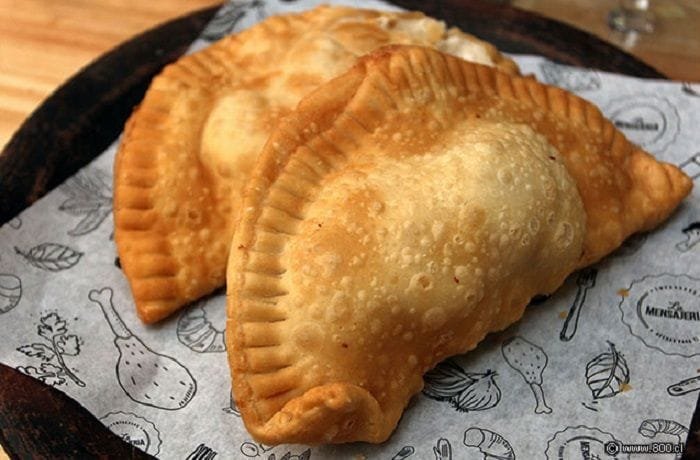
Chilean abalone empanadas (empanadas de locos) are a gourmet coastal specialty made with 800 g of cooked loco cut into small cubes, sautéed with onion, ají de color, and oregano, sealed inside 24 empanada discs and either fried at 160°C for 3 minutes per side or baked at 180°C for 25 minutes. Total time is 90 minutes. The result is a crispy shell enclosing a deeply savory, briny filling that is one of the most prized preparations in Chilean seafood cooking.
Locos are only available in Chile during regulated extraction seasons, which makes these empanadas a festive and celebratory dish rather than an everyday meal. Outside Chile, canned or frozen abalone works well. The filling follows the same logic as other Chilean empanadas — onion sofrito, cumin undertones, and a small amount of flour to bind the juices — but the oceanic depth of the loco sets it apart from any other variety. Serves 6 people (4 empanadas each).
How to Make Chilean Abalone Empanadas?
The key steps are: soften the onion first, add the abalone off the heat to avoid overcooking it, rest the filling until cold, and fry or bake at the right temperature. Overcooked loco turns rubbery — the filling should only be heated long enough to infuse the spices before sealing the empanadas.
Nutritional Information
Each empanada contains approximately 170 kcal, 6 g of protein, 9 g of total fat, 14 g of carbohydrates, 1 g of sugars, 17 mg of cholesterol, and 190 mg of sodium. Loco is a lean, mineral-rich protein — high in iron, zinc, iodine, and vitamins B12 and B6 — making these empanadas more nutritionally dense than most fried pastry snacks.
Homemade Chilean Abalone Empanadas Recipe
Prep Time: 60 minutes
Cook Time: 30 minutes
Servings: 24 empanadas (6 people)
Ingredients
- 800 g cooked abalone (loco), cleaned and diced into small cubes
- 24 empanada dough discs (tapas de empanada), store-bought or homemade
- 1 large onion, finely diced
- 1 tablespoon all-purpose flour
- 50 ml fish stock
- 1 teaspoon dried oregano
- 1 teaspoon ají de color (Chilean red pepper powder) or sweet paprika
- 1 egg, beaten (for egg wash on baked version)
- Vegetable oil (for frying or greasing the tray)
- Fine salt and black pepper to taste
- Optional: 1 hard-boiled egg, quartered; 24 pitted green olives

Instructions
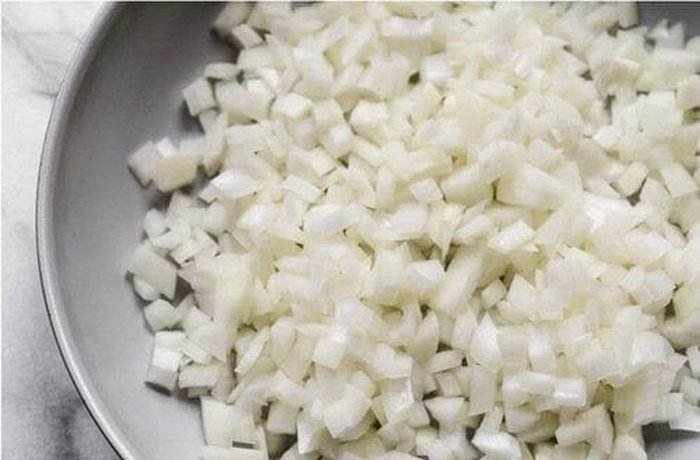
- Clean the cooked abalone thoroughly and dice into small cubes of roughly equal size. Set aside. Heat a drizzle of oil in a large, wide pan over medium-high heat. Add the diced onion and sauté for 5 to 10 minutes, stirring occasionally, until fully translucent and starting to soften.
- Reduce the heat to low. Add the diced abalone, oregano, and ají de color. Season with salt and pepper. Pour in the fish stock, sprinkle the flour over the mixture, and stir until a smooth, slightly thickened sauce forms. Cook for 2 minutes, cover the pan, and remove from heat. Allow the filling to cool completely before assembling — refrigerate for at least 30 minutes.
- On a lightly floured surface, lay out the empanada discs. Place one heaped tablespoon of filling in the center of each disc. Add a small piece of hard-boiled egg and one olive if using. Moisten the inner edge with a little water, fold the disc in half, and press the edges firmly to eliminate air. Seal with a traditional repulgue fold or press with a fork. Pierce the top once with a toothpick to allow steam to escape.
- To fry: Pour enough oil into a wide pan to submerge the empanadas halfway. Heat to 160°C (320°F). Fry in batches for 2 to 3 minutes per side until deep golden brown. Drain on paper towels and serve immediately.
- To bake: Preheat the oven to 180°C (356°F). Place the empanadas on a greased or lined baking tray. Brush each one with beaten egg. Bake for 25 minutes until lightly golden. Serve hot, optionally with a merquén dipping sauce and Chilean white wine.
(*) Recipes are provided as a reference and should be adjusted according to available ingredients and equipment. We recommend testing and modifying recipes to suit your preparation style and personal preferences.
The finished empanadas have a crispy, golden shell — crackling when fried, slightly drier and more delicate when baked. The filling is juicy, briny, and fragrant with oregano and ají de color. Fried empanadas are best eaten within 10 minutes of leaving the oil; baked ones hold for longer and are better suited for gatherings. With a glass of Chilean sauvignon blanc or carménère, they are one of the finest expressions of Chilean coastal cooking.
Additional Tips
Marinate the Abalone Before Cooking
If using canned or frozen loco, marinate the drained, diced abalone in lemon juice, one minced garlic clove, and a drizzle of olive oil for 20 minutes before adding it to the sofrito. This brightens the oceanic flavor and counteracts any metallic notes from the can.
Rest the Assembled Empanadas Before Cooking
After sealing, refrigerate the assembled empanadas for 30 minutes before frying or baking. The cold dough holds its shape better in hot oil, the seals are less likely to open, and the filling stays inside without leaking.
Controlling Oil Temperature for Frying
Maintaining the oil at exactly 160°C (320°F) is critical. Too hot and the dough browns before the inside is warm; too cool and the empanadas absorb excess oil and turn greasy. Use a cooking thermometer and fry in small batches of 4 to 5 at a time to keep the temperature stable.
| Original Ingredient | Substitute | Notes |
|---|---|---|
| Locos (Chilean abalone) | Canned abalone or pāua | Drain well and pat dry before dicing |
| Empanada discs (tapas) | Homemade dough | Mix 500 g flour, 100 g lard, 200 ml warm water, 1 tsp salt |
| Fish stock | Clam juice or water | Water reduces intensity; clam juice keeps the seafood depth |
| Ají de color | Sweet smoked paprika | Not identical but adds color and mild pepper flavor |
Frequently Asked Questions (FAQs)
What exactly is loco (Chilean abalone) and how can I find it outside Chile?
The loco (Concholepas concholepas) is a large carnivorous marine snail native to the Chilean and Peruvian Pacific coast. It is internationally known as Chilean abalone. Outside Chile it is available canned or frozen, already cooked and tenderized, in Latin American grocery stores and specialty seafood markets.
Why is it important to rest the loco filling before assembling?
Resting the filling in the refrigerator for at least 30 minutes — ideally 3 hours — allows the ají de color, oregano, and onion to fully infuse the abalone. The flour-thickened stock firms up the filling so it does not leak through the dough during frying or baking.
How do I seal an empanada correctly so it does not open during cooking?
Moisten the inner edge of the dough disc with water or beaten egg white before folding. Press firmly to eliminate any air pockets, then either use a traditional repulgue fold or press the edge with a fork. Refrigerating the assembled empanadas for 30 minutes before cooking also helps them hold their shape.
Can abalone empanadas be frozen?
Yes. Assemble the empanadas raw and place them on a tray in a single layer. Freeze until firm, then transfer to airtight bags. To cook from frozen, bake directly in the oven at 180°C (356°F) for 30 to 35 minutes without thawing first.
What is the main difference between fried and baked abalone empanadas?
Fried empanadas have a crispier, golden-brown shell with a richer flavor from the oil. Baked empanadas are lighter, slightly drier on the outside, and better suited for larger batches. Both versions use the same filling; the dough for baked versions is brushed with egg wash for color.
What Is Chilean Abalone (Loco)?
The loco (Concholepas concholepas) is a large univalve gastropod mollusk that lives along the rocky Pacific coastline of Chile and southern Peru, typically at depths of 2 to 30 meters. Despite being called “Chilean abalone,” it is not a true abalone (genus Haliotis) but belongs to the Muricidae family. Its meat is dense, slightly chewy, and intensely savory — closer in texture to clam than to scallop — with a clean oceanic flavor that pairs naturally with onion, garlic, and citrus.
History of Locos Empanadas in Chile
Locos have been consumed along the Chilean coast for thousands of years — shell middens (conchales) left by pre-Columbian coastal peoples include Concholepas remains dating back more than 5,000 years. The empanada format arrived with Spanish colonization and became one of Chile’s defining culinary symbols. Combining the two — loco inside an empanada — emerged as a luxury coastal preparation in central Chile, particularly in port cities like Valparaíso and Viña del Mar. The dish became more broadly known in the second half of the 20th century, though the periodic vedas (extraction bans) on loco have kept it firmly in the category of festive, seasonal food rather than everyday cooking.
Did You Know?
The Chilean loco has been under continuous extraction restrictions since the 1980s due to severe overfishing. Annual quotas and closed seasons (vedas) regulate when and how much loco can be legally harvested. This scarcity is why locos command premium prices even in Chile — a kilogram of fresh loco can cost more than premium beef — and why empanadas de locos are considered a true delicacy rather than a casual snack.