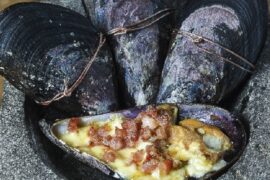
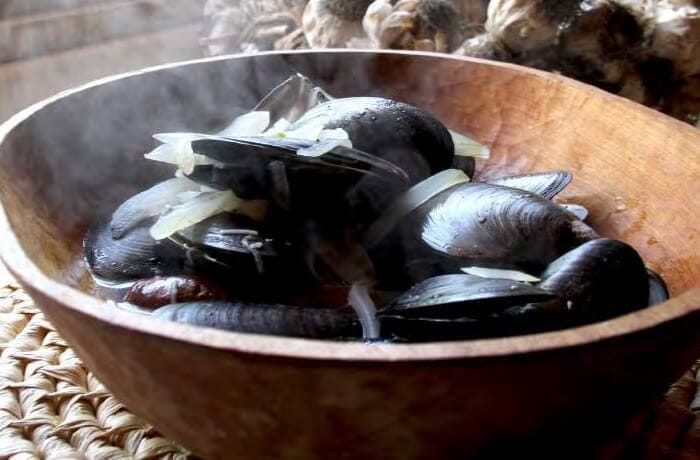
Chilean steamed mussels, known as choritos al vapor, are a beloved preparation from the coastal towns of Chile — simple, loud, and deeply satisfying. Whole mussels are steamed open in white wine with garlic, sliced longaniza sausage, and julienned onion, creating an aromatic broth that is almost as prized as the mussels themselves.
This dish has long been associated with recovery after long nights of celebration, but more than anything it is the kind of food that brings people to a table around a steaming pot, cracking shells and mopping up the briny, wine-scented liquid with bread.
How to Make Chilean Steamed Mussels?
The technique is straightforward: build an aromatic base of onion, garlic, and longaniza in a pan, transfer it to a large pot with the scrubbed mussels and white wine, cover tightly, and let the steam do the work. Shake the pot rather than stir — this keeps the shells intact while distributing the heat evenly. Discard any mussels that do not open.
Nutritional Information
Each serving of Chilean steamed mussels provides approximately 532 kcal, 63 g of protein, 13 g of total fat (4 g saturated), 182 mg of cholesterol, 13 g of carbohydrates, 2 g of total sugars, and 869 mg of sodium. The high protein and naturally occurring sea salt from the mussels mean no additional salt is needed at any stage of cooking.
Homemade Chilean Steamed Mussels Recipe
Prep time: 30 minutes
Cook time: 15 minutes
Servings: 6
Ingredients
- 5 kg of fresh mussels (choritos)
- 2 cups of white wine
- 4 cloves of garlic
- 2 longaniza sausages, sliced into thick rounds
- 1 onion, cut into thin strips
- Sunflower oil
- Dried oregano

Instructions
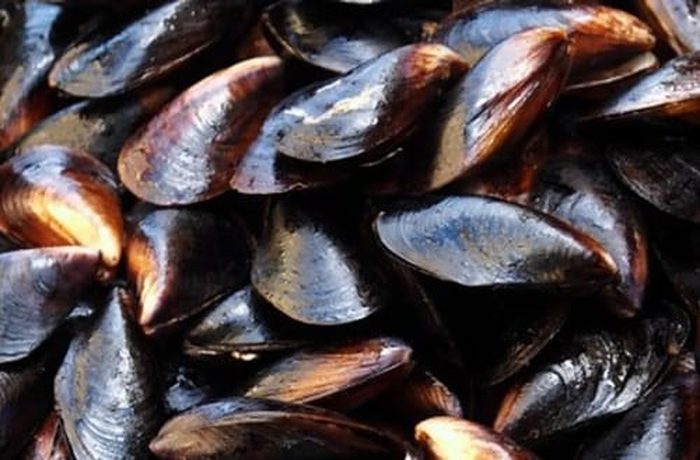
- Scrub the mussels thoroughly under cold running water and remove any byssal threads (beards) attached to the shell. Set aside. Parboil the longaniza slices in hot water for two minutes to render excess fat and soften the casing.
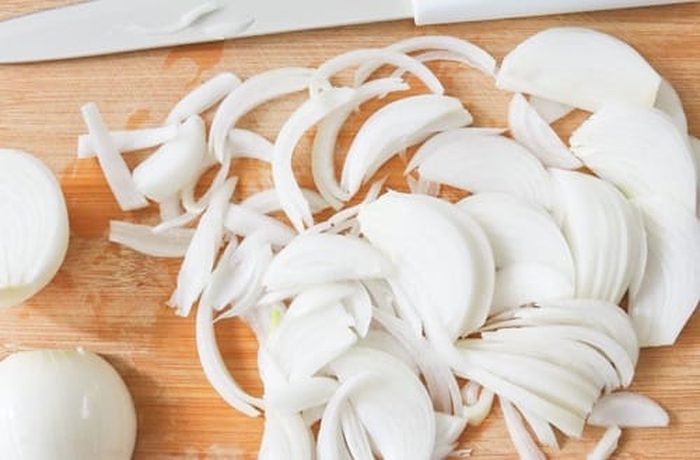
- Heat a splash of sunflower oil in a large pan over high heat. Add the sliced onion, crushed garlic, parboiled longaniza rounds, and dried oregano to taste. Sauté for about 3 minutes until the aromas integrate and the onion softens.
- Transfer the sofrito to a large pot and add the scrubbed mussels and white wine. Bring to medium-high heat, cover the pot tightly, and cook for about 10 minutes. Shake the pot by the handles to redistribute the mussels rather than stirring with a spoon.

- Remove from heat and discard any mussels that have not opened. Serve the steamed mussels immediately in a large serving bowl or straight from the pot, with an optional glass of the same white wine used for cooking.
French-Style Variation: Moules Marinières
A popular international take on this dish is the French moules marinières, which replaces the longaniza with shallots and finishes with fresh parsley. The technique is the same — the result is a lighter, herb-forward broth.
Ingredients
- 1 kg of fresh mussels
- 2 shallots, finely chopped
- 2 cloves of garlic
- 2 tablespoons of butter
- 2 tablespoons of fresh flat-leaf parsley, chopped
- 1 cup of white wine
- Sea salt and black pepper to taste
Instructions
- Melt the butter in a large pot over medium heat. Add the shallots and garlic and sauté for a few minutes until soft but not browned.
- Pour in the white wine and bring to a boil. Add the scrubbed mussels, cover the pot, and cook for 5 to 7 minutes until all the shells are open. Discard any that remain closed. Stir in the fresh parsley, season with salt and pepper, and serve immediately.
Additional Tips
Skip the salt
Do not add salt at any point during cooking. The mussels release their own sea brine as they open, which seasons the broth perfectly. Adding salt before or during cooking risks an aggressively salty result.
Pre-cook the longaniza
Parboiling the longaniza slices for two minutes before adding them to the sofrito renders excess fat and softens the casing. The sausage absorbs the mussel brine during the final steam, giving it a firm, flavor-loaded texture without making the broth greasy.
How to pick fresh mussels
Fresh mussels should be tightly closed or close immediately when tapped. Any mussel that stays open before cooking is dead and must be discarded. After cooking, the reverse applies: any mussel that stays closed did not open properly and should also be discarded.
| Ingredient | Substitution | Notes |
|---|---|---|
| Chilean mussels (Mytilus chilensis) | Green-lipped or Mediterranean mussels | Slightly larger; reduce cooking time by 2 minutes |
| Longaniza sausage | Chorizo or andouille sausage | Similar smoky pork fat profile |
| Chilean Sauvignon Blanc | Any dry white wine or fish stock | Avoid sweet wines; they overpower the marine flavor |
| Sunflower oil | Olive oil or unsalted butter | Olive oil adds a Mediterranean note; butter adds richness |
Frequently Asked Questions (FAQs)
Why did my mussels turn out small and tough?
Most likely overcooking. Mussels only need 5 to 10 minutes of steam. Stop the heat as soon as they open — the protein contracts with extended heat, causing the rubbery texture.
Is it strictly necessary to scrub the mussels?
Yes. Chilean mussels live attached to rocks or ropes and often carry sediment and byssal threads (beards). Cleaning them thoroughly ensures a clear broth free of grit.
What type of white wine works best?
A dry, acidic wine such as Chilean Sauvignon Blanc. Avoid sweet wines or heavily oaked Chardonnay, as they can overpower the natural marine flavor of the mussels.
Can I use frozen mussels?
You can, but the texture will not be the same. Freezing breaks down cellular fibers, causing the mussel to release more water and lose the firm, meaty bite that fresh mussels offer.
What can I do with the leftover broth?
The concentrated broth is liquid gold — use it as the base for arroz marinero (seafood rice), paila marina, or reduce it into an intense seafood sauce.
What Are Chilean Steamed Mussels?
Chilean steamed mussels, or choritos al vapor, are whole fresh mussels cooked in a covered pot with white wine, garlic, onion, and longaniza sausage until the shells open and release their briny juices into an aromatic broth. The dish is a staple of Chilean coastal gastronomy, particularly in the fishing communities of the Bío-Bío, Los Lagos, and Valparaíso regions, where choritos have been harvested and eaten for centuries. Unlike French or Belgian preparations, the Chilean version incorporates longaniza sausage, which gives the broth a deeper, smoky undertone that sets it apart from its European counterparts.
History of Chilean Steamed Mussels in Chile
Mussels have been part of the diet of Chilean coastal communities since pre-Columbian times — large shell middens found along the Chilean coast confirm that indigenous groups consumed them for thousands of years. The modern preparation of choritos al vapor with wine and longaniza reflects the mixing of indigenous shellfish traditions with Spanish and European culinary influences that arrived during the colonial period. The dish became particularly associated with the buzos mariscadores — the divers who harvest shellfish by hand in the cold Pacific waters — and with the fishing villages of the Nehuentúe area. Today it is a pan-Chilean dish enjoyed from Arica to Punta Arenas.
Did You Know?
The Chilean mussel (Mytilus chilensis), also known locally as choro, quilmahue, or mejillón chileno, is a bivalve mollusk that filters water to feed, playing a crucial role in the marine ecosystem. Its natural range extends along the Pacific coast from Callao, Peru, all the way south to the Beagle Channel, and it is also found in the Atlantic. Chile is one of the world’s largest producers of farmed mussels, with aquaculture operations concentrated in the Los Lagos region in the south of the country.