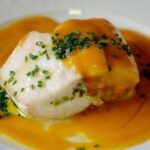
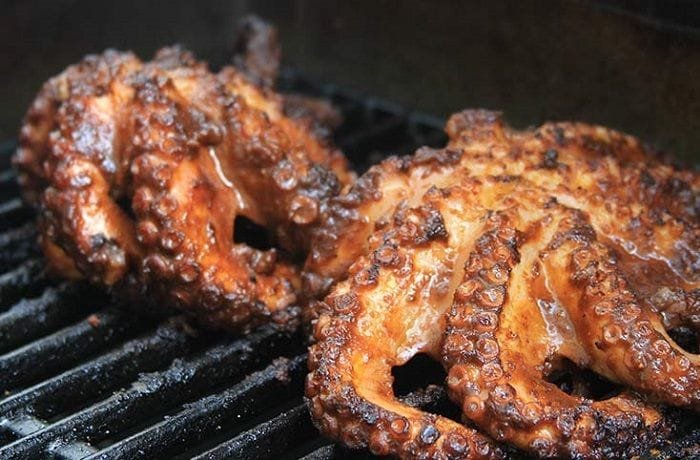
Chilean grilled octopus — known in Chile as pulpo a la parrilla — is a coastal classic that pairs the natural brininess of the sea with the smokiness of live charcoal and a vibrant quinoa pesto. The dish is ready in under two hours and serves six, making it the ideal centerpiece for a summer asado by the sea.
The key to tender, non-rubbery results lies in two steps most recipes skip: tenderizing the octopus before cooking and blanching it with the classic Chilean adobo base of onion, carrot, and garlic. Get those right and the grill does the rest — just a couple of minutes per side to lock in the char lines without drying out the flesh.
How to Make Chilean Grilled Octopus?
The process breaks into four stages: tenderize, blanch, make the quinoa pesto, and grill. None of them is technically difficult, but each one matters. Tenderizing breaks the muscle fibers; blanching cooks the octopus through; the pesto adds the acid-herb contrast; and the grill delivers the signature crust. Follow the order and the timing and you will get a restaurant-quality result at home.
Nutritional Information
Each serving of Chilean grilled octopus with quinoa pesto provides approximately 350 kcal, 25 g protein, 20 g total fat (3 g saturated), 20 g carbohydrates, 3 g fiber, 2 g sugar, 100 mg cholesterol, and 500 mg sodium. Values are estimates and may vary with ingredient brands and portion size.
Homemade Chilean Grilled Octopus Recipe
Prep time: 60 minutes
Cook time: 60 minutes
Servings: 6
Ingredients
- 2 kg (4.4 lb) fresh octopus
- 150 ml (⅔ cup) extra virgin olive oil
- 3 garlic cloves
- 2 cups quinoa
- 1 onion, quartered
- 1 carrot, quartered
- 1 cup fresh parsley leaves
- 1 cup fresh cilantro leaves
- 1 teaspoon merken (Chilean smoked chili)
- 1 lemon, juiced
- ½ cup chives
- Fine sea salt
- Black pepper
Instructions
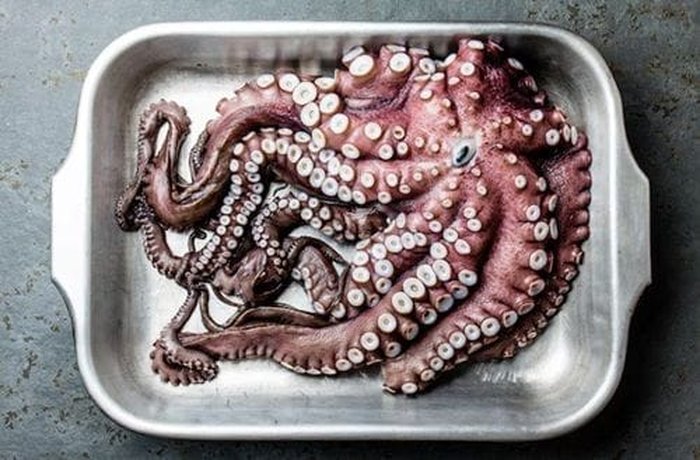
- Tenderize the octopus: beat it firmly with a meat mallet, or freeze it completely and thaw overnight in the refrigerator. Both methods break down the muscle fibers and produce a tender final result.
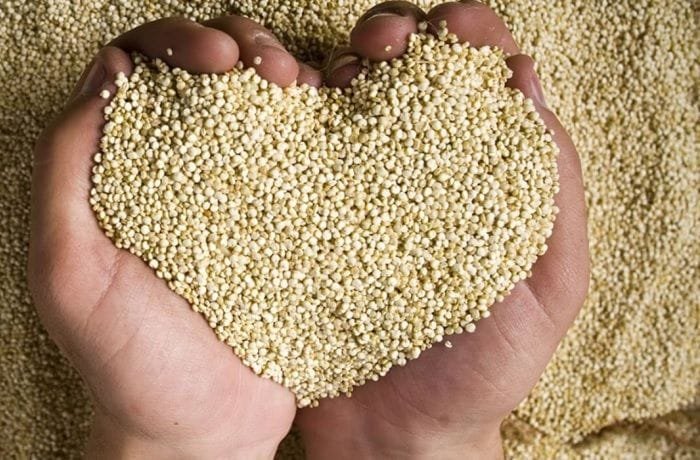
- Rinse the quinoa under cold water and drain. Combine with double its volume of water in a medium saucepan (1 part quinoa to 2 parts water) and cook for 15 minutes over medium heat. Drain through a fine-mesh strainer, rinse with cold water, and set aside.
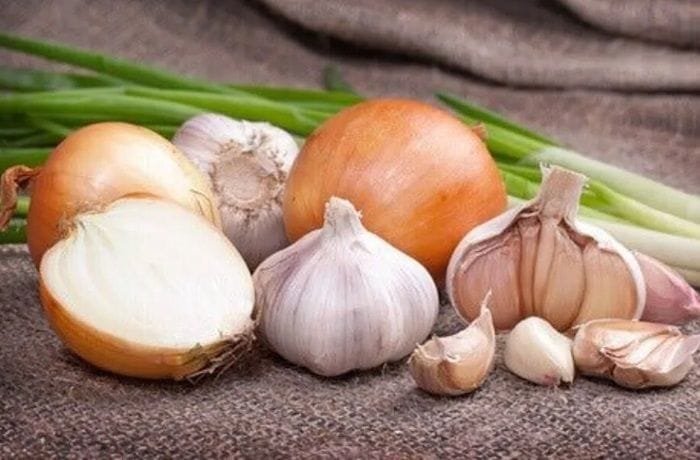
- Bring a large pot of water to a full boil and add the quartered onion, carrot, and garlic cloves. Lower the octopus into the boiling water for one second and lift it out — the tentacles will curl. Repeat the dipping process four more times, adding one extra second with each dip (2, 3, 4, 5 seconds).
- After the final five-second blanch, submerge the whole octopus in the pot and cook for 25 to 45 minutes depending on size, checking doneness by inserting a knife tip into the thickest part of a tentacle — it should slide in without resistance.
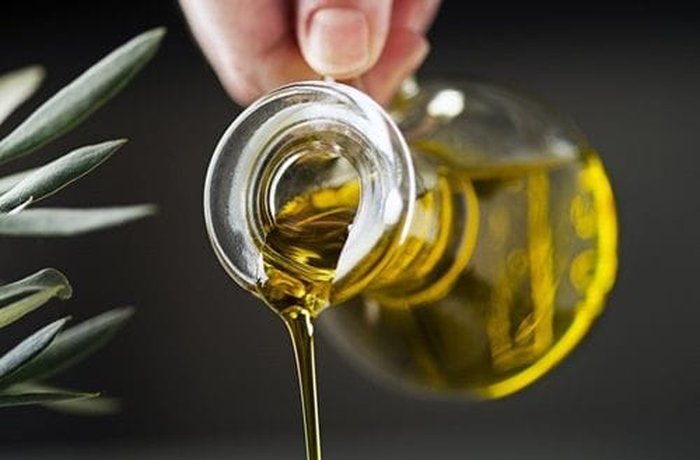
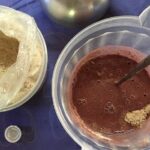
- Make the pesto: blend ½ cup olive oil, parsley leaves, cilantro, chives, lemon juice, and 2 garlic cloves in a blender until smooth. Season with salt and pepper. Fold in the cooked quinoa and stir until evenly coated. Set aside.
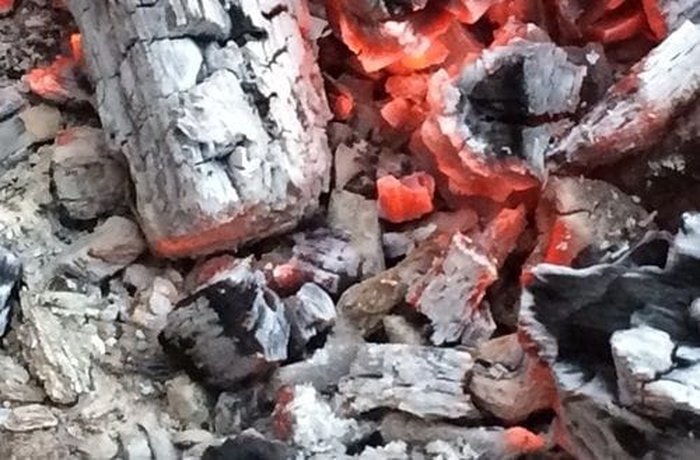
- In a small bowl, mix 2 tablespoons olive oil with ½ teaspoon merken. Brush the grill grates with oil and grill the octopus over high heat for two to three minutes per side until char lines form, without burning. Slice and serve over the quinoa pesto, drizzled with the merken oil.
Additional Tips
Pat the octopus dry before grilling
Surface moisture is the enemy of a good sear. Pat the cooked octopus thoroughly with paper towels before it touches the grates — any remaining water will steam the flesh instead of charring it, and you will lose the characteristic grill lines.
Keep the skin on
The thin skin of the octopus acts as a natural moisture barrier on the grill. Removing it exposes the flesh directly to the intense heat of the charcoal, which dries it out rapidly. Leave the skin intact and let the high heat do its work in a short window.
Grill over high heat and keep it brief
Octopus is already fully cooked when it reaches the grill. The goal is crust, not further cooking. Two to three minutes per side over white-ash charcoal is all it takes — any longer and the texture becomes rubbery again.
Frequently Asked Questions (FAQs)
1. Can I use frozen octopus for this recipe?
Yes — frozen octopus is often preferable. The freezing and thawing process breaks down the muscle fibers naturally, which means less tenderizing work before cooking and a more consistently tender result.
2. How do I know when the octopus is cooked through?
Insert the tip of a sharp knife into the thickest part of a tentacle. If it slides in without resistance, the octopus is done. If you feel any firmness, continue cooking and check again every five minutes.
3. Can I make this recipe without a grill?
Yes. A cast-iron grill pan or a ridged skillet over high heat produces a similar result. Preheat the pan until it is smoking hot, oil it lightly, and sear the octopus for two to three minutes per side.
4. What else can I serve with grilled octopus?
Grilled octopus works well alongside fresh green salads, roasted potatoes, herb rice, or grilled vegetables. The quinoa pesto in this recipe already covers the starch and herb elements for a complete plate.
What Is Chilean Grilled Octopus?
Pulpo a la parrilla is a seafood dish native to Chile’s long Pacific coastline, where fresh octopus has been part of local cooking since pre-Columbian times. The preparation is simple by design: the octopus is blanched until tender, then finished over live fire for a few minutes to develop a smoky char on the outside while keeping the interior moist. What sets the Chilean version apart is the accompaniment — in this recipe, a pesto built on quinoa rather than bread or pasta, reflecting the Andean grain culture that runs alongside the coastal fishing tradition.
History of Octopus in Chile
Octopus fishing along the Chilean coast dates back to the cultures that settled the Atacama coast and the central valleys long before Spanish arrival. Archaeological sites in the Atacama region have yielded octopus remains, indicating it was a staple protein for coastal populations. During the colonial period it fell out of favor in urban cooking, but in fishing villages from Coquimbo south it never disappeared. The modern revival of pulpo a la parrilla as a restaurant and home dish is closely linked to the growth of Chilean seaside tourism from the 1980s onward and to a broader shift toward showcasing local seafood rather than imported proteins.
Did You Know?
Every 100 g of octopus contains 64 mg of iodine, a mineral that fuels thyroid function and in turn regulates metabolism, energy levels, and cholesterol balance. Octopus is also remarkably low in fat and calories while delivering a substantial protein hit — making it one of the most nutrient-dense options available from the Chilean sea.