Versión en Español: Receta de empanadas de jurel en tarro
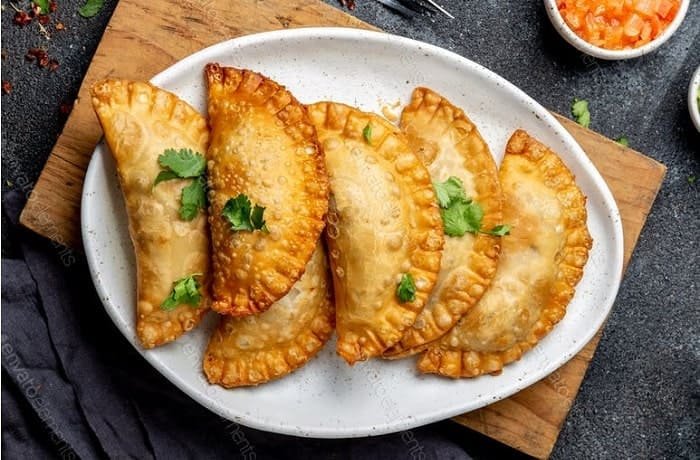
Chilean empanadas de jurel en tarro are fried turnovers filled with a pino of canned jack mackerel, blanched onion, parsley, and hard-boiled egg, wrapped in a firm homemade dough and fried at 170°C for about 2 minutes per side until golden. Total active time is about 60 minutes, plus up to 12 hours for the filling to rest. Makes approximately 12 to 16 empanadas.
Jurel en tarro (canned South Pacific jack mackerel) is one of Chile’s most affordable pantry proteins. These empanadas are particularly popular during Holy Week (Semana Santa), when meat is traditionally avoided. The canned fish filling is more forgiving than meat-based pino — it requires no long cooking — and the result is a crispy, savory empanada that rivals any made with fresh fish.
Nutritional Information
Each empanada contains approximately 400 kcal, 40 g of carbohydrates, 20 g of total fat, 15 g of protein, 2 g of fiber, 2 g of sugars, 90 mg of cholesterol, and 600 mg of sodium. The high sodium comes primarily from the canned fish — rinse the jurel briefly if you want to reduce it.
How to Make Chilean Empanadas de Jurel en Tarro?
The two components — dough and filling — can be made at the same time, but the filling benefits from resting overnight in the refrigerator, which allows the jurel, onion, and parsley flavors to meld. Plan ahead: make the filling the night before for best results.
Prep Time: 60 minutes (plus 12 hours filling rest, optional)
Cook Time: 30 minutes
Servings: 4 people (approx. 12–16 empanadas)
Ingredients — Dough
- 500 g wheat flour, sifted
- 125 ml warm milk
- 1 tbsp lard or shortening (manteca)
- 1 egg
- ½ tsp fine salt
- 1 tsp baking powder

Ingredients — Jack Mackerel Filling (Pino de Jurel)
- 500 g canned jack mackerel (jurel en tarro), drained
- 4 hard-boiled eggs, quartered
- 2 tbsp fresh parsley, finely chopped
- 1 onion, finely diced
- Fine salt and black pepper
- Vegetable oil for frying
Instructions
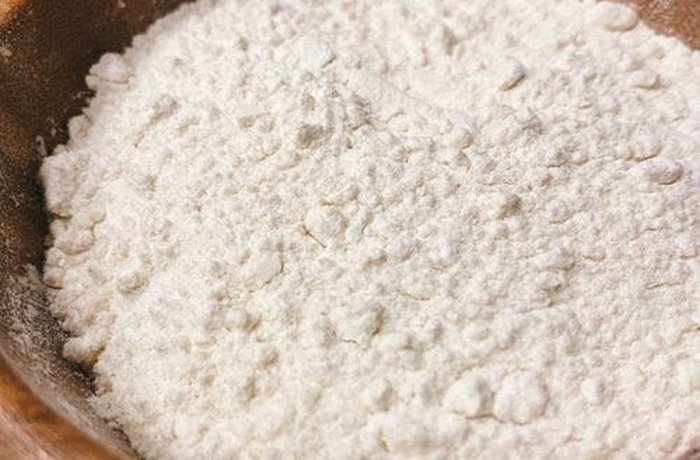
- Make the dough: sift the flour into a large bowl and form a well in the center. Add the egg, lard, salt, and baking powder to the well. Mix with your fingers, then add the warm milk gradually, working it in until a dough forms. Knead for about 5 minutes until smooth, firm, and not sticky. Cover with a clean cloth and rest while you prepare the filling.
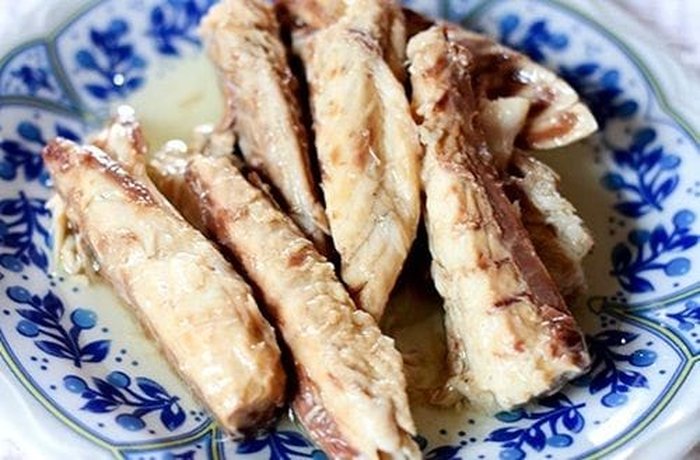
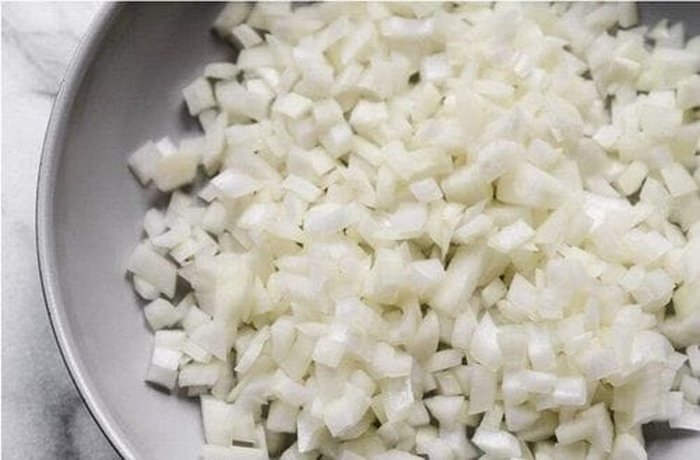
- Blanch the onion: place the finely diced onion in a small saucepan, cover with cold water, add a pinch of sugar, bring to a boil, and cook for 15 minutes. Drain and rinse under cold water. Meanwhile, drain the canned jack mackerel thoroughly, remove any visible bones, and flake with a fork until you have a loose, even mixture — not a paste.
- Make the pino: in a bowl or small pot with a drizzle of oil, combine the flaked jurel, blanched onion, and chopped parsley. Season with salt and pepper to taste. Add a splash of cooled boiled water if the mixture seems too dry. Cover and refrigerate for at least 1 hour — ideally 12 hours — to allow the flavors to integrate.
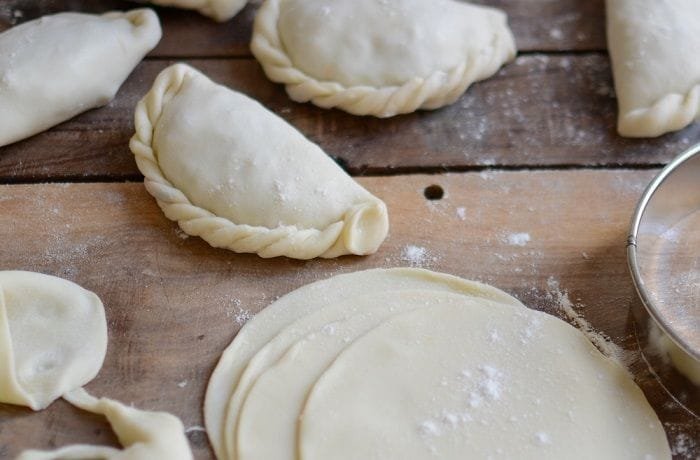
- Assemble the empanadas: on a lightly floured surface, roll the dough to about 2 to 3 mm thick. Cut into circles using a round cutter or the rim of a bowl (12 to 15 cm diameter). Place a spoonful of pino off-center on each disc, add a quarter of hard-boiled egg, fold the dough over, and press the edges firmly to seal. Crimp with a fork or twist to create a decorative edge. Prick the top twice with a fork.
- Heat enough vegetable oil in a deep pot or fryer to submerge the empanadas — approximately 170°C (338°F). Test the temperature by dropping in a small piece of dough: it should sizzle immediately, rise to the surface, and turn golden in about 90 seconds. Fry the empanadas in batches without crowding, 2 minutes per side, until deeply golden all over.

- Remove with a slotted spoon and drain on paper towels. Serve immediately while hot and crispy, as an appetizer or main dish alongside a Chilean salad and a glass of white wine.
Expert Tips
Rest the Filling at Least 12 Hours for Best Flavor
The pino tastes significantly better after resting overnight. The onion absorbs the fish flavor, the parsley infuses throughout, and the seasoning distributes evenly. If you are in a hurry, a minimum of 1 hour in the refrigerator still improves the filling compared to using it immediately.
Add Vinegar or Pisco to the Dough for Extra Crunch
A teaspoon of white vinegar or pisco added to the dough while kneading makes the crust noticeably crispier after frying. The acid partially inhibits gluten development, resulting in a more tender, shattering crust rather than a chewy one.
Keep the Oil Temperature Steady at 170°C
Frying temperature is the most common failure point. Too hot (above 185°C) and the crust browns before the filling is heated through. Too cool (below 155°C) and the empanada absorbs oil and becomes greasy. A kitchen thermometer is the most reliable tool. If you don’t have one, use the dough-drop test: drop a small piece of dough into the oil — it should sizzle actively, rise within 3 seconds, and turn golden in 60 to 90 seconds.
Ingredient Notes and Substitutions
| Ingredient | Notes / Substitution |
|---|---|
| Canned jack mackerel (500 g) | Canned mackerel or canned tuna (in water, not oil) are the closest substitutes; tuna gives a milder flavor |
| Lard (manteca) | Vegetable shortening or softened butter work; lard produces the crispiest, most traditional crust |
| Baking powder | Makes the dough slightly lighter; can be omitted for a denser, more traditional crust |
| Hard-boiled eggs (4) | Traditional and essential for the classic pino — omit only if you need an egg-free version |
Frequently Asked Questions (FAQs)
Can I use store-bought empanada dough?
Yes. Pre-made empanada dough discs (available in Latin American grocery stores) save significant time. Use the homemade filling as described. The texture is slightly different but the result is still excellent.
How do I know when the empanada dough is the right consistency?
The dough should feel smooth, firm, and not sticky. Press your thumb in — it should leave a clean impression without clinging. Too sticky: add flour a tablespoon at a time. Too dry: add warm milk a teaspoon at a time.
Can I bake these empanadas instead of frying?
Yes, though the crust will be drier and less crispy. Brush with egg wash and bake at 200°C (392°F) for 20 to 25 minutes until golden. Add 1 teaspoon of white vinegar to the dough for a slightly crispier baked result.
How long can I store cooked jurel empanadas?
Up to 3 days in the refrigerator in an airtight container. Reheat in a preheated oven at 180°C for 8 to 10 minutes or in a dry skillet 2 to 3 minutes per side. Avoid the microwave — it makes the crust soft.
What is jurel and where can I find it outside Chile?
Jurel is the South Pacific jack mackerel (Trachurus murphyi). Outside Chile, look for canned jack mackerel in Latin American or Asian grocery stores. Canned mackerel or canned tuna are workable substitutes with a slightly different flavor.
Chilean Jack Mackerel — Sustainability and Production
Chile is one of the world’s leading producers of jack mackerel from the South Pacific (Trachurus murphyi). The species is managed under quota systems that have allowed a 15% increase in global capture quotas in recent years, totaling approximately 581,000 tonnes for Chilean fleets. Chilean canned jurel is certified by international fishing sustainability programs and is available in export markets. The fish is characterized by its elongated body, blue-green coloring, and white-silver belly.
What Are Empanadas de Jurel en Tarro?
Empanadas de jurel en tarro are a Chilean pantry recipe — a way to make a satisfying, complete meal from canned jack mackerel, onion, eggs, and flour, all of which are everyday household staples. The empanada tradition in Chile goes back to the Spanish colonial period, but the canned fish version is a distinctly modern adaptation that became popular in the mid-20th century as canned jurel became the most affordable protein in Chilean markets. They are especially associated with Semana Santa (Holy Week), when meat is traditionally avoided.
Did You Know?
Chile produces more canned jack mackerel (jurel en tarro) than any other country in South America. The Chilean Pacific coast lies along one of the most productive fishing zones in the world — the Humboldt Current system — which supports exceptionally dense fish populations. Jurel en tarro has been a Chilean pantry staple since the 1950s and remains one of the most purchased canned goods in Chilean supermarkets today.