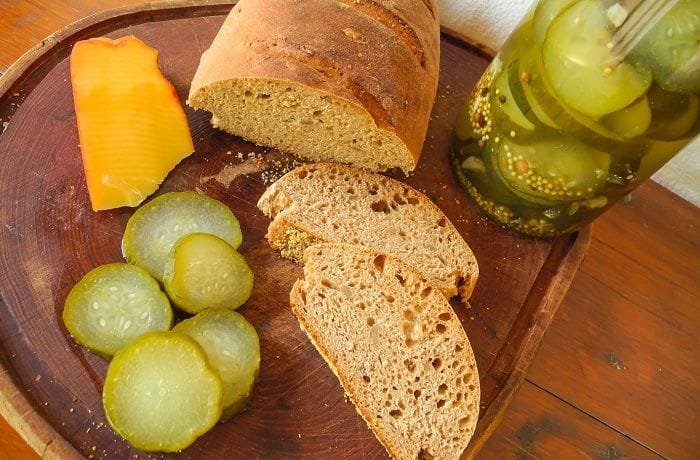
German sweet and sour pickles (Gurkentopf) are pickling cucumbers, whole, sliced, or in spears, boiled for 2 minutes in a brine of wine vinegar, water, sugar, coarse salt, mustard seeds, bay leaves, dill, and garlic, packed into sterilized jars, topped with the hot liquid, and rested at least 24 hours. They take 30 minutes of preparation and 10 minutes of cooking, and serve 8.
Simple and delicious, perfect alongside almost any sandwich.
How to Make Sweet and Sour Pickles?
Do not overcook them, so the pickles stay crunchy and firm; Kirby or similar pickling varieties work best.
Nutritional Information
Each serving of sweet and sour pickles contains approximately 70 kcal, 1 g of protein, 0 g of fat, 0 mg of cholesterol, 15 g of carbohydrates (12 g sugars), and 600 mg of sodium. These values are estimates and may vary depending on ingredients and portion sizes.
German Sweet and Sour Pickles Recipe
Preparation: 30 minutes
Cooking: 10 minutes
Servings: 8
Ingredients
- 1 kg (2.2 lb) of pickling cucumbers
- 500 ml (2 cups) of wine vinegar
- 250 ml (1 cup) of water
- 250 g (1¼ cups) of sugar
- 3 bay leaves
- 2 tablespoons of coarse salt
- 2 garlic cloves
- 1 bunch of fresh dill
- Mustard seeds

Instructions
- Wash the cucumbers in cold water and, depending on their size, leave them whole, cut them into ½ cm (¼ inch) slices, or into spears. Set aside in a bowl.
- In a large pot, combine the vinegar, cold water, sugar, salt, about two teaspoons of mustard seeds, the bay leaves, dill, and garlic. Bring to a boil over medium heat, add the cucumbers, cook for about 2 minutes, and turn off the heat.
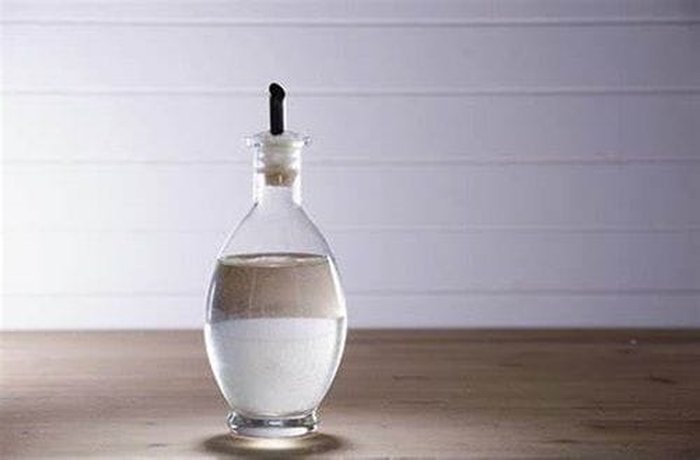
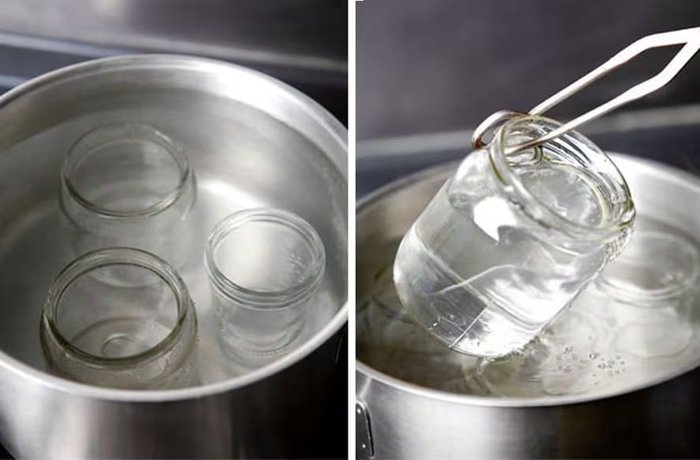
- Lift the cucumbers out with a slotted spoon, pack them into clean, sterilized glass jars, fill to the brim with the hot liquid, and close while hot.
- Let them rest at least 24 hours before eating, or store in a cool, dry place. Serve on their own, with bread, or with all kinds of sandwiches and salads.
Additional Tips
More German flavor
Add coriander seeds, black peppercorns, or a small piece of ginger to the brine.
Wait a little
They can be eaten after a few hours, but the flavor improves a lot after one or two weeks.
Keep them crunchy
Boil just 2 minutes; longer cooking softens them.
Fill to the brim
Cover the pickles completely with brine to preserve them.
| Original ingredient | Substitute | Ratio | Flavor note |
|---|---|---|---|
| Wine vinegar | Apple cider vinegar | 500 ml | Sweeter, softer |
| Wine vinegar | Distilled white vinegar | 500 ml | Sharper |
| Dill | Tarragon | 1 bunch | Anise note |
| Sugar | Honey | 200 g | Floral, darker |
Frequently Asked Questions (FAQs)
1. Can I replace the wine vinegar?
Yes, apple cider vinegar or distilled white vinegar work, but each adds a different flavor; apple cider vinegar is sweeter and softer.
2. Do the cucumbers need to boil?
This recipe uses a brief boil to keep the texture and sterilize, but they can also be fermented cold, a longer process that needs more control.
3. How long do they keep?
In sterilized, properly sealed jars, 2 to 3 months in a cool, dark place. Once opened, refrigerate and eat within 3 weeks.
4. How do I know if they have spoiled?
Cloudy liquid, constant bubbles, a strong color change, or a bad smell mean they should not be eaten.
Benefits of Pickles
Cucumbers provide vitamins such as A, C, and K and minerals such as potassium and magnesium.

Did You Know?
Gurkentopf translates as cucumber pot and also refers to the ceramic crock traditionally used in Germany to ferment pickles.
How to adapt this recipe to a vegan or vegetarian version?
How to adapt this recipe to a gluten-free version?
How to adapt this recipe to a keto (ketogenic) version?
Recommended
- Homemade Apple Cider Vinegar Recipe
- Chilean Completo Hot Dog with Sauerkraut Recipe
- Homemade Tartar Sauce Recipe
- Chilean Russian Salad Recipe