Versión en Español: Receta de panitas de vacuno al jugo encebolladas
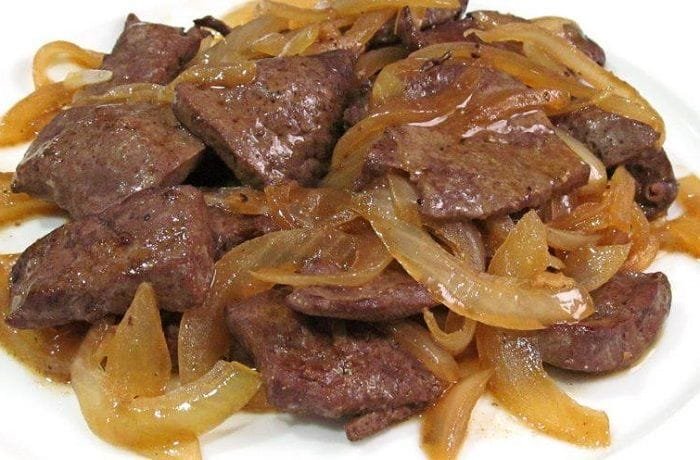
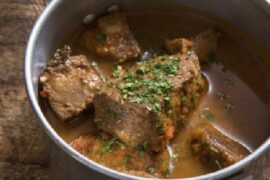
Chilean panitas de vacuno are 1 kg of beef liver cut into medium cubes, seasoned with salt, pepper, and ají de color, seared in a hot pan for 2 minutes per side, and finished covered for 3 minutes with a separately caramelized onion and garlic sofrito. Total time is under 45 minutes. The liver stays juicy and tender as long as it is not overcooked.
The word pana comes from the Mapudungun puanca — the internal organs of an animal. In Chile it refers specifically to beef liver, while panitas (the diminutive) is the name of this dish. It is one of the most economical and nutritionally dense proteins in Chilean home cooking, traditionally served with white rice, fried potatoes, or crusty bread to absorb the pan juices. Serves 4 people.
Nutritional Information
Each serving contains approximately 340 kcal, 5 g of carbohydrates, 18 g of total fat, 38 g of protein, 1 g of fiber, 2 g of sugars, 330 mg of cholesterol, and 95 mg of sodium. Beef liver is one of the most nutrient-dense foods available — exceptionally high in heme iron, zinc, vitamin B12, and vitamin A.
How to Make Chilean Panitas de Vacuno?
The technique is straightforward but timing-sensitive: liver overcooks faster than any other cut of beef. The onion must be caramelized separately so it is ready to add at the end — adding it at the same time as the liver would prevent the liver from searing properly and would result in a steamed rather than seared texture.
Prep Time: 30 minutes
Cook Time: 15 minutes
Servings: 4 people
Ingredients
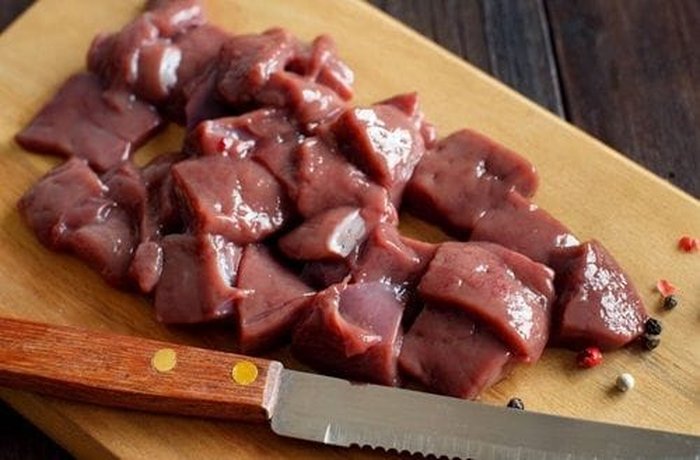
- 1 kg beef liver (pana de vacuno), cleaned
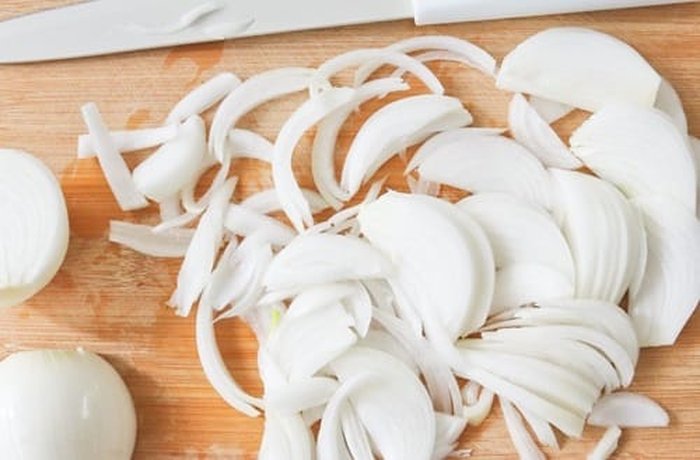
- 2 onions, julienned
- 1 garlic clove, finely minced
- Oil for frying (sunflower or vegetable)
- Ají de color or merkén, to taste
- Fine salt and black pepper
Instructions
- Rinse the beef liver thoroughly under cold running water. Using a sharp knife, remove any visible membranes or bile ducts, then cut into medium cubes of roughly equal size. Season with salt and pepper and set aside. In a wide, heavy-bottomed pan, heat a drizzle of oil over high heat. Add the julienned onion and minced garlic. Sprinkle with ají de color or merkén to taste.
- Reduce the heat to medium and sauté the onion and garlic, stirring with a wooden spoon, until the onion is lightly golden and caramelized — about 8 to 10 minutes. Transfer the sofrito to a plate and set aside. In the same pan, increase the heat back to high, add a little more oil if needed, and place the liver cubes in a single layer. Cook for 2 minutes without moving, then flip and cook for 2 more minutes on the other side.
- Return the caramelized onion and garlic sofrito to the pan with the liver. Reduce the heat to low, cover, and cook for 3 minutes more to integrate the flavors without overcooking the liver. Remove from heat immediately. Serve hot, directly from the pan, alongside white rice, fried potatoes, or salad.
Expert Tips
Add White Wine After the Onion for Deeper Flavor
After the onion is caramelized and before setting it aside, pour a splash of white wine (about 50 ml) into the pan and cook for 2 minutes until the alcohol evaporates. The wine lifts any caramelized bits from the pan and adds a mild acidity that balances the richness of the liver. Incorporate this wine-onion mix into the pan with the liver in step 3.
Season with Cumin, Oregano, or Smoked Paprika for Variation
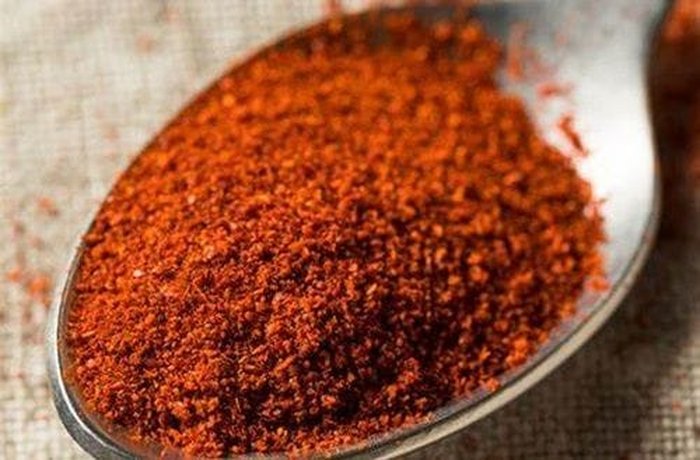
Ají de color gives the dish its characteristic orange-red color and mild warmth. For a smokier version, replace with merkén (Chilean smoked chili flakes). A pinch of ground cumin adds an earthy depth; a small amount of dried oregano complements the onion well. All variations work — the base technique remains the same.
How to Avoid Tough, Dry Liver
Liver is almost entirely protein with very little internal fat or connective tissue. This means it loses moisture very rapidly when exposed to heat. Two minutes per side on high for the sear, then three minutes covered on low to finish — that is the maximum. The interior should still be slightly pink when you take it off the heat. If you wait until it looks fully cooked in the pan, it will be overcooked on the plate.
Ingredient Notes and Substitutions
| Ingredient | Notes / Substitution |
|---|---|
| Beef liver (1 kg) | Calf liver (ternera) has a milder flavor and more tender texture — use the same technique; chicken livers work but cook faster (1 min per side) |
| Ají de color | Sweet paprika is the closest substitute; smoked paprika or merkén for a smokier profile |
| Onion (2, julienned) | Red onion gives a slightly sweeter result; shallots produce a more delicate sofrito |
| Oil for frying | Lard (manteca) is the traditional Chilean option and adds flavor; any neutral vegetable oil works |
Frequently Asked Questions (FAQs)
What part of the animal is pana de vacuno?
Pana de vacuno is beef liver. The word pana comes from the Mapudungun word puanca, meaning the internal organs of an animal. In Chile it refers specifically to liver, while panitas (the diminutive) is the common name for this dish of seared liver cubes with onions.
How do I prevent the liver from turning hard and tough?
Cook the liver cubes for no more than 2 minutes per side over high heat, then a maximum of 3 minutes covered on low to finish. The center should still be slightly pink when you remove it from the heat — residual heat finishes the cook. Prolonged heat squeezes all the moisture out of liver very rapidly.
Can I freeze beef liver before cooking?
Yes, but freezing slightly alters the texture, making the cooked liver firmer. For the best result, use fresh liver within 24 hours. If you must freeze it, thaw slowly in the refrigerator overnight and pat very dry before cooking to remove excess moisture released during thawing.
Can I substitute ají de color with another spice?
Yes. Sweet paprika is the closest substitute. Smoked paprika adds a smokier note similar to merkén. A combination of half sweet paprika and half smoked paprika gets close to the original ají de color character.
What are the best side dishes for panitas de vacuno?
In Chile, panitas are traditionally served with white rice, fried or boiled potatoes, and a simple tomato and onion salad. Pan amasado (Chilean kneaded bread) is another classic pairing — it soaks up the caramelized onion juices from the pan well.
Benefits of Eating Beef Liver
Beef liver is one of the most nutrient-dense foods available. It is an outstanding source of complete protein (38 g per serving), heme iron — the most bioavailable form — and zinc, which together support red blood cell production, immune function, and tissue maintenance. It also provides exceptionally high concentrations of vitamin B12 (critical for nervous system health), vitamin A, and riboflavin (B2). At 340 kcal per serving with only 5 g of carbohydrates, it is a highly efficient protein source for the caloric cost.
What Are Panitas de Vacuno?
Panitas de vacuno is a traditional Chilean working-class dish made from beef liver seared in cubes and finished with a caramelized onion sofrito seasoned with ají de color or merkén. It is one of the most affordable proteins in Chilean markets and a staple of the weekday lunch table. The word pana derives from the Mapudungun puanca, referring to the internal organs of an animal, reflecting the pre-Hispanic tradition of using every part of the hunted or slaughtered animal. In modern Chilean Spanish, pana means specifically beef liver, and panitas (the affectionate diminutive) is the name of this preparation.
Did You Know?
In Chile, the word pana has a double meaning: it refers to beef liver in culinary contexts, and also to a vehicle breakdown — as in “el auto está en pana” (the car broke down). This has led to the informal saying that eating panitas gives you energy when you are “in pana” (run down). Etymologically, both uses are unrelated: the culinary term comes from Mapudungun, while the mechanical breakdown term comes from the French panne (failure).