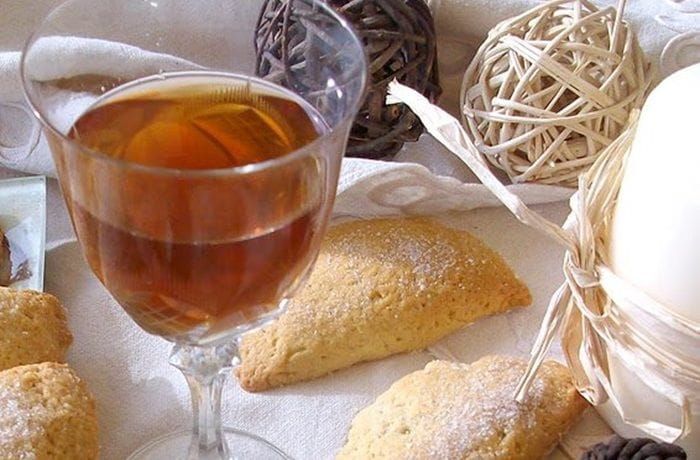
Chilean canelita — also called mistela de canela — is made by boiling cinnamon sticks with sugar and water for 15 minutes, straining the syrup into a glass bottle, adding Chilean grape aguardiente, and resting the mixture for at least 24 hours before serving. The result is a smooth, amber-colored cinnamon liqueur at 5–10° alcohol that has been a staple of Chilean home kitchens for over a century, traditionally served as a digestif or at family celebrations. Prep takes 20 minutes; total time including rest is 24 hours. Serves 8.
Canelita occupies a specific niche in Chilean beverage culture — it is neither a cocktail nor a commercial liqueur but a handmade mistela: a category of sweet, spirit-based infusion with deep roots in colonial Spanish tradition. It belongs to the same family as the Chilean ponche de frutas and bajativo de hierbas, all of which are made at home, stored in glass bottles, and offered to guests as a sign of hospitality. The cinnamon version is the most widely made across all regions of Chile and the one most closely associated with winter family gatherings.
How to Make Chilean Canelita?
The method is two-stage: first, a hot cinnamon-and-sugar syrup is prepared and fully cooled; then the aguardiente is added to the cold liquid. This sequence is not optional — adding spirit to hot liquid causes significant alcohol evaporation, which lowers the final alcohol content and flattens the aroma. The 24-hour rest is equally non-negotiable: the cinnamon oils need time to fully integrate into the alcohol base. Canelita that has rested for 48–72 hours is noticeably smoother and more aromatic than one served after the minimum rest.
Nutritional Information
Each serving of canelita (approximately 125 ml) contains approximately 150 calories, 30 g of carbohydrates (primarily from the sugar syrup), 0 g of fat, 0 g of protein, 0 g of fiber, 30 g of sugars, 0 mg of cholesterol, and 0 mg of sodium. Values are approximate and vary with the specific aguardiente used and the proportion of ingredients.
Homemade Chilean Canelita — Cinnamon Mistela Recipe
Prep Time: 20 minutes
Resting Time: 24 hours minimum
Servings: 8
Ingredients
- 1 liter purified water
- 150 ml Chilean grape aguardiente (45–50% alcohol)
- 150 g white sugar
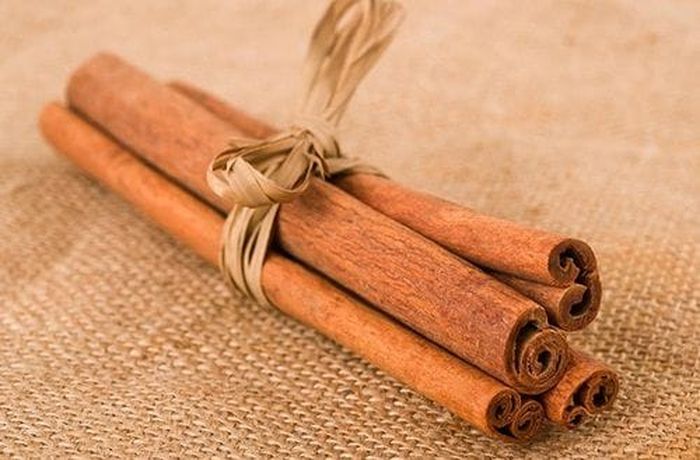
- 5 cinnamon sticks
Instructions
- Make the cinnamon syrup: In a large saucepan, combine the purified water and sugar. Stir until the sugar begins to dissolve. Add the cinnamon sticks and bring to a full boil over medium-high heat. Once boiling, reduce to a medium simmer and cook for 15 minutes, stirring occasionally, until the liquid becomes lightly amber and fragrant. The cinnamon sticks should have released their oil visibly into the water.
- Cool and strain: Remove the saucepan from the heat and allow the cinnamon syrup to cool completely to room temperature — this is essential before adding the aguardiente. Once cool, place a fine-mesh strainer or colander lined with a piece of muslin over a funnel set in the mouth of a clean glass bottle. Pour the cooled syrup through the strainer to remove the cinnamon sticks and any sediment. Discard the spent cinnamon sticks.
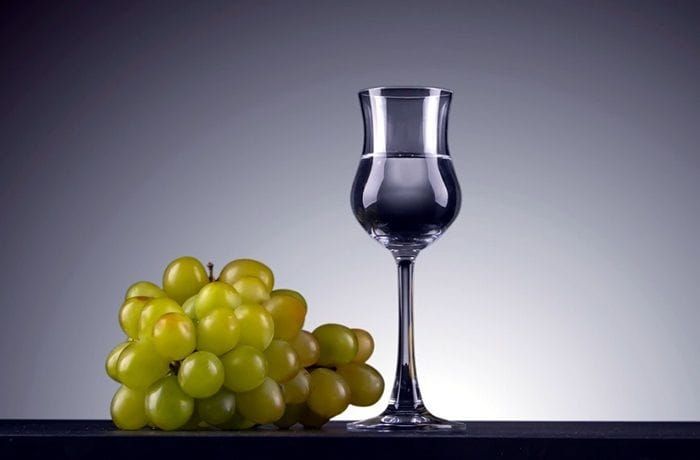
- Add the aguardiente and rest: Pour the 150 ml of Chilean grape aguardiente directly into the bottle with the strained cinnamon syrup. Cap the bottle tightly and shake for 30 seconds to fully integrate the spirit and the syrup. Store in a cool, dark place and allow to rest for a minimum of 24 hours before serving. The flavor deepens and mellows with 48–72 hours of rest. Serve chilled in small glasses as a digestif or at room temperature as an aperitif.
Additional Tips
Use Ceylon Cinnamon, Not Cassia
Chile has historically used ceylon cinnamon (Cinnamomum verum — also called true cinnamon or canela fina) rather than cassia (the thicker, harder cinnamon sold in most supermarkets outside Latin America). Ceylon cinnamon has a lighter, more delicate flavor — slightly sweet with gentle floral notes — and a softer bark that releases its oils more completely into a water-based syrup. Cassia produces a harsher, more assertive flavor and contains significantly higher levels of coumarin, which has known liver-toxic effects at high doses. For a centenarian beverage drunk repeatedly over a lifetime, Ceylon cinnamon is the medically and gastronomically correct choice.
Cold-Add the Aguardiente — Never Hot
The single most common error when making canelita is adding the aguardiente while the syrup is still warm. Alcohol evaporates at 78°C — well below the boiling point of water — meaning that any residual heat in the syrup will drive off a portion of the aguardiente before it can integrate into the mixture. The practical result is a flatter, weaker canelita with less aroma. Allow the syrup to cool fully to room temperature (below 30°C) before adding the spirit. If time is short, transfer the syrup to a wide container to accelerate cooling.
The Long Rest Makes the Difference
The 24-hour minimum rest is a functional chemical process, not a tradition for its own sake. During the rest, the essential oils from the cinnamon — primarily cinnamaldehyde — continue to dissolve into the alcohol-water mixture. The mouthfeel also changes: freshly combined canelita has a slight sharpness where the aguardiente and the syrup have not yet integrated. After 48–72 hours, the two phases merge into a cohesive, smooth liqueur. Canelita made one week in advance for a gathering is meaningfully better than canelita served at the 24-hour minimum.
| Component | Standard | Substitute | Notes |
|---|---|---|---|
| Cinnamon | Ceylon cinnamon sticks | Cassia cinnamon sticks | Ceylon is milder and lower in coumarin — preferred |
| Spirit | Chilean grape aguardiente 45–50° | Grappa, clear rum, vodka | Neutral spirits let the cinnamon dominate |
| Sweetener | White sugar | Honey, grated chancaca | Both change the final flavor noticeably |
| Water | Purified water | Mineral water | Avoid tap water with heavy chlorine — affects aroma |
Frequently Asked Questions (FAQs)
Can I use a sweetener other than sugar for canelita?
Yes — honey or grated chancaca both work. Honey adds floral notes and a thicker body; chancaca adds caramel and molasses depth. Add honey after the syrup has cooled slightly, as boiling alters its flavor compounds.
What type of aguardiente should I use for canelita?
Chilean grape aguardiente at 45–50% alcohol is traditional — a clear, grape-distilled spirit similar to grappa. If unavailable, use a neutral clear spirit like vodka or white rum. Avoid aged spirits; their wood and vanilla notes overpower the cinnamon.
How long does homemade canelita keep?
Up to 6 months in a sealed glass bottle stored in a cool, dark place. The flavor improves over time as the cinnamon oils continue integrating with the spirit. No refrigeration needed.
What is the alcohol content of canelita?
The recipe above produces canelita at roughly 6–7° alcohol. Using 200–250 ml of aguardiente raises it to approximately 9–10° — the traditional strength for a bajativo.
When is canelita traditionally served in Chile?
As a bajativo (digestif) after meals in the colder months, at family gatherings, and during Fiestas Patrias (September). It is served in small glasses, sipped slowly — not used as a cocktail base.
Health Benefits of Cinnamon
Cinnamon is one of the most studied spices for its bioactive properties. Cinnamaldehyde — the primary compound responsible for cinnamon’s flavor and aroma — has demonstrated antioxidant and anti-inflammatory effects in multiple laboratory studies. Regular, moderate cinnamon consumption has been associated in observational studies with improved insulin sensitivity and reduced markers of systemic inflammation. However, canelita is an alcoholic beverage and should be consumed in moderation regardless of its cinnamon content. The antioxidant benefit of the cinnamon infusion does not offset the metabolic effects of the alcohol.
What Is Chilean Canelita?
Canelita is a Chilean mistela — a category of home-made sweet liqueur produced by macerating or infusing an aromatic ingredient in a spirit-and-sugar mixture. In the case of canelita, the aromatic is cinnamon, infused as a hot syrup before the spirit is added. The result is a lightly sweet, amber-colored liqueur at 5–10° alcohol with a clean cinnamon aroma and a smooth, warming finish. It is one of the oldest continuously made home beverages in Chilean culinary tradition, with documentation of similar cinnamon aguardiente preparations in Chilean household recipe books dating to the nineteenth century.
History and Origin of Chilean Canelita
The roots of canelita lie in the Spanish colonial tradition of aguardiente-based home remedies and liqueurs, which arrived in Chile during the sixteenth and seventeenth centuries. Cinnamon itself reached Chile via the same colonial trade routes: brought from the Spice Islands through Portuguese and Spanish traders, it quickly became one of the most widely used aromatic spices in both Chilean cooking and home medicine. The combination of cinnamon, sugar, and aguardiente as a warming medicinal drink — used for cold relief, stomach complaints, and general fortification — appears in Chilean domestic records from the early nineteenth century. Over the following century and a half, the medicinal rationale faded and the drink settled into its current role as a bajativo and celebration beverage.
Did You Know?
Cinnamon is native to Sri Lanka and the southwest coast of India — a strip of coast less than 400 km wide that was the sole global source of true Ceylon cinnamon for centuries and the subject of sustained colonial competition between Portuguese, Dutch, and British imperial powers between the sixteenth and nineteenth centuries. Today Sri Lanka still produces approximately 90% of global Ceylon cinnamon supply. Chile imports most of its culinary cinnamon from Sri Lanka and Vietnam, though cassia varieties from Indonesia and China also circulate widely in Chilean supermarkets.