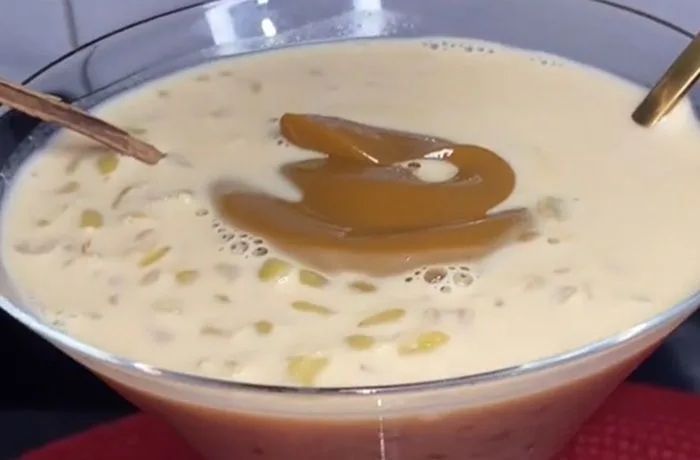
Chilean mote con manjar is made by simmering cooked hulled wheat (mote) in whole milk infused with orange peel, cinnamon, and vanilla for 5 minutes, then stirring in manjar (dulce de leche) until completely dissolved, letting the mixture cool, and refrigerating for at least 2 hours before serving cold in individual cups — a creamy, aromatic Chilean dessert ready in 25 minutes that serves 6 people.
A modernized version of one of Chile’s most beloved traditional combinations, mote con manjar transforms the humble cooked wheat kernel into a dessert with the perfume of warm spices and the rich sweetness of Chilean manjar — two ingredients with roots that span centuries of Chilean culinary history, from pre-Columbian Andean cooking to the colonial introduction of dairy cattle.
How to Make Chilean Mote con Manjar?
The technique is a gentle infusion followed by a brief dissolution: the milk extracts the aromatics from the orange peel, cinnamon, and vanilla over low heat; the mote absorbs the flavored milk during its 5-minute simmer; and the manjar is added off the heat to melt into the warm liquid without scorching. The 2-hour refrigeration is not optional — it allows the mote to fully absorb the creamy milk mixture and reach the dense, cold texture that makes this dessert distinctive.
Nutritional Information
Each serving of Chilean mote con manjar contains approximately 310 calories, 7 g of proteins, 7.8 g of total fats (4.5 g saturated), 25 mg of cholesterol, 52 g of carbohydrates, 32 g of sugars, and 120 mg of sodium. Hulled wheat (mote) provides complex carbohydrates, dietary fiber, and plant-based protein, while manjar contributes calcium from its milk base and natural sugars from the caramelization process.
Homemade Chilean Mote con Manjar Recipe
Prep Time: 10 minutes
Cook Time: 15 minutes
Chilling Time: 2 hours
Servings: 6
Ingredients
- 500 ml whole milk
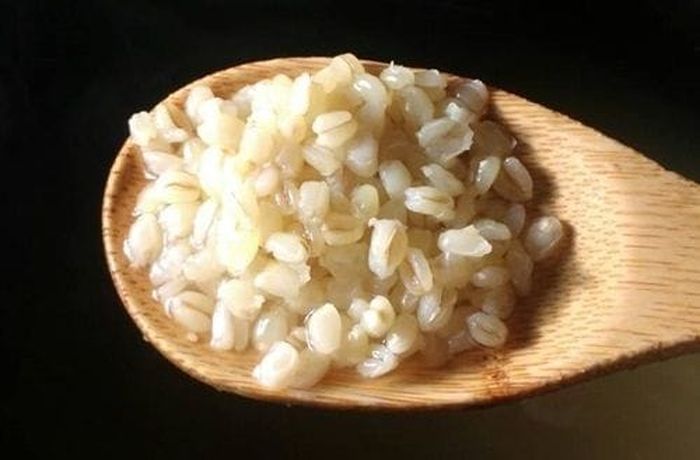
- 300 g cooked hulled wheat (mote de trigo cocido)
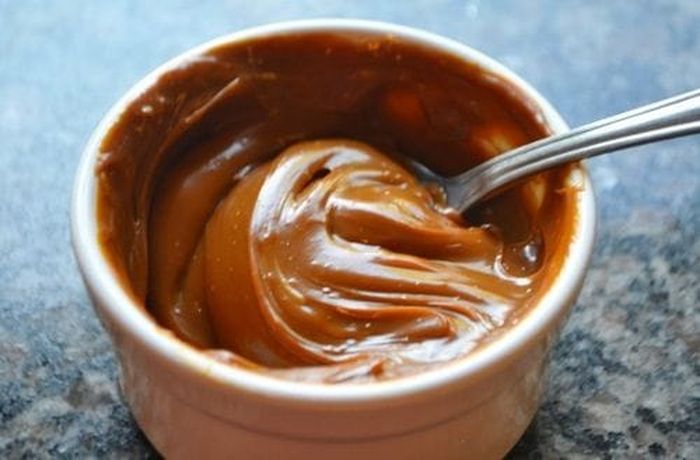
- 150 g manjar (Chilean dulce de leche)
- 2 strips of orange peel (zest only, no white pith)
- 1 cinnamon stick
- 1 teaspoon vanilla extract
Instructions
- Infuse the milk: Place the whole milk, orange peel strips, cinnamon stick, and vanilla extract in a medium saucepan. Heat over medium heat until the milk just reaches a boil. Add the cooked mote and stir gently to combine.
- Simmer and add the manjar: Cook for 5 minutes over medium-low heat, stirring occasionally, so the mote absorbs the aroma of the spiced milk. Remove the orange peel and cinnamon stick — leaving them in any longer will make the mixture bitter. Add the manjar and stir continuously until it dissolves completely and the mixture is smooth, creamy, and slightly thickened.
- Cool and serve: Remove from heat and allow to cool to room temperature. Transfer to individual cups or glasses and refrigerate for at least 2 hours — or overnight for the best texture. Serve cold, garnished with an extra spoonful of manjar on top of each portion.
Additional Tips
Extend the Milk Infusion for More Depth
Instead of removing the orange peel and cinnamon at the boiling point, reduce the heat to the lowest setting immediately after the first bubbles appear and let the milk infuse for 10 minutes before adding the mote. This longer infusion extracts more of the essential oils from the orange zest and the volatile compounds from the cinnamon, producing a noticeably more aromatic base that carries through to the finished dessert.
Use Evaporated Milk or Cream for a Richer Result
Replacing 100 to 150 ml of the whole milk with evaporated milk or heavy cream adds density and a deeper, more caramel-like flavor to the finished dessert — closer in texture to a traditional Chilean manjar pudding (leche asada). This variation is particularly well-suited to serving in small cups as a dinner-party dessert, where the richer consistency holds its shape better after chilling.
Frequently Asked Questions (FAQs)
Can I make mote con manjar without milk?
Yes. The simplest version is cooked mote mixed directly with manjar — no milk required. The result is denser and less aromatic, but it preserves the traditional core flavors and is ready in minutes. For a middle ground, dissolve the manjar in a small amount of warm water or condensed milk before mixing.
How long does mote con manjar keep in the refrigerator?
Up to 3 days in an airtight container. After that, the mote absorbs too much liquid and loses its characteristic slightly chewy texture. Stir before serving as the manjar may settle to the bottom.
Can mote con manjar be frozen?
Not recommended. Milk separates and becomes watery after freezing, manjar turns grainy, and mote kernels harden significantly. Make only what you plan to consume within 3 days.
What type of manjar works best for this recipe?
Artisan or homemade manjar — denser and with a deeper caramel flavor — produces the best result. Pastry-grade manjar works well for a firmer texture. Standard commercial dulce de leche is a reliable substitute outside Chile; choose a variety without added thickeners.
Can mote con manjar be served warm instead of cold?
Yes. Some families in southern Chile traditionally serve it warm from the pot as a winter dessert. Skip the refrigeration step and ladle into deep bowls immediately, finishing with a spoonful of manjar on top.
What Is Chilean Mote?
Mote is hulled grain — most commonly wheat (mote de trigo) or corn (mote de maíz) — that has been treated with an alkaline solution or simply hulled and then boiled until the kernels are fully cooked and tender. The word comes from the Quechua mutte, and the preparation has pre-Columbian origins across the Andean region, where it was a staple food of both the Inca and Mapuche cultures. In Chile, wheat mote became the predominant variety after Spanish colonizers introduced wheat cultivation in the 16th century, and it remains one of the most distinctively Chilean ingredients — used in savory preparations, beverages (mote con huesillos), and desserts like this one.
History and Origin of Mote con Manjar
The combination of mote with sweet accompaniments has roots in colonial Chilean cooking, where cooked wheat was paired with molasses, dried fruit, or chancaca (raw cane sugar) as an affordable dessert or energy-dense field food. The addition of manjar — Chilean dulce de leche, produced by slowly caramelizing sweetened milk — became widespread in the 19th and 20th centuries as dairy production expanded across the Central Valley. Today mote con manjar exists in both its simplest form (just mote and manjar, no milk) and in more elaborate versions like this one, where the milk infusion with orange and cinnamon transforms a humble pantry dessert into something genuinely aromatic.
Did You Know?
Mote is one of the most versatile ingredients in traditional Chilean cooking. Beyond desserts, it appears in the Mapuche ceremonial beverage muday (fermented mote), in catutos (mote dumplings), in salted soups as a starch substitute for potato, and in mote con huesillos — the iconic Chilean summer drink made with dried peaches and sweet syrup. This versatility across sweet, savory, and fermented applications makes mote one of the few ingredients that spans the entire Chilean culinary repertoire from pre-Columbian times to the present day.
How to adapt this recipe to a vegan or vegetarian version?
How to adapt this recipe to a gluten-free version?
How to adapt this recipe to a keto (ketogenic) version?
Recommended
- Chilean Corn Pie — Homemade Pastel de Choclo Recipe
- Chilean Calapurca — Traditional Aymara Soup with Hot River Stones
- Chilean Andean Pachamanka — Traditional Quechua Earth Oven Recipe
- Chilean Potatoes with Chuchoca — Homemade Papas con Chuchoca Recipe