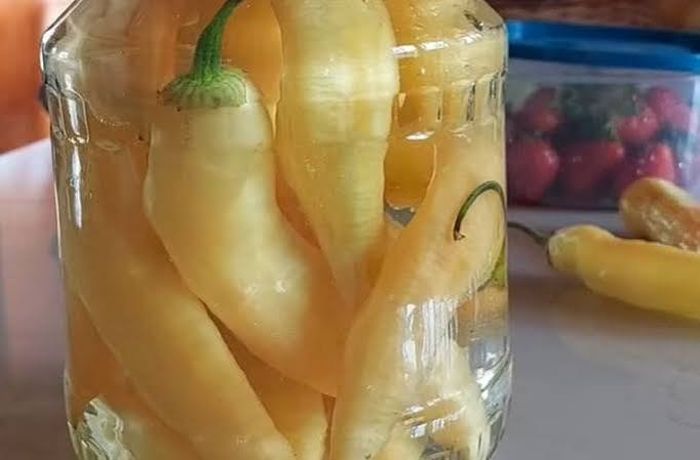
Chilean pickled chili peppers (ají en escabeche) are made by washing and pricking fresh chilies, packing them into sterilized glass jars with whole black peppercorns, covering completely with apple cider vinegar, adding coarse sea salt, sealing hermetically, and resting in a cool dark place for at least 5 days before serving — a traditional Chilean condiment that keeps up to 6 months and serves 8 portions.
One of the oldest preservation techniques in the Chilean kitchen, ají en escabeche turns fresh seasonal chilies into a year-round condiment with a sharp, aromatic brine that intensifies in complexity the longer the jars rest — from mildly acidic at 5 days to deeply infused and pungent at one month.
How to Make Chilean Pickled Chili Peppers?
This is a cold-vinegar pickle — no heating of the brine is required. The acidity of the apple cider vinegar (at least 5%) does the preservation work on its own, provided the jars are properly sterilized and the chilies are fully submerged. The pricking step is essential: without small holes in the skin, the vinegar sits on the surface of the chili rather than penetrating the flesh, resulting in a pickle that is sour on the outside but raw-tasting at the core.
Nutritional Information
Each serving of Chilean pickled chili peppers contains approximately 17 calories, 0.2 g of proteins, 0.1 g of total fats (0 g saturated), 0 mg of cholesterol, 3.6 g of carbohydrates, 2.3 g of sugars, and 285 mg of sodium. Chilean chili peppers are naturally rich in capsaicin, vitamin C, and antioxidants; the pickling process preserves these compounds while adding the probiotic-adjacent benefits associated with vinegar-preserved foods.
Homemade Chilean Pickled Chili Peppers Recipe
Prep Time: 15 minutes
Curing Time: 5 days minimum
Shelf Life: Up to 6 months
Servings: 8
Ingredients
- 500 g fresh Chilean chili peppers (ají cristal or ají cacho de cabra), firm and unblemished
- 500 ml apple cider vinegar (at least 5% acidity)
- Coarse sea salt (not iodized)
- Whole black peppercorns

Instructions
- Prepare the chilies: Wash the chili peppers thoroughly under cold running water, removing any dirt or debris. Dry carefully with a clean cloth — any remaining moisture can compromise preservation. Using a fork or the tip of a knife, prick each chili two or three times, or make one small shallow cut. This allows the vinegar to penetrate the flesh during curing. Wear kitchen gloves when handling large quantities, as capsaicin can irritate skin and eyes.
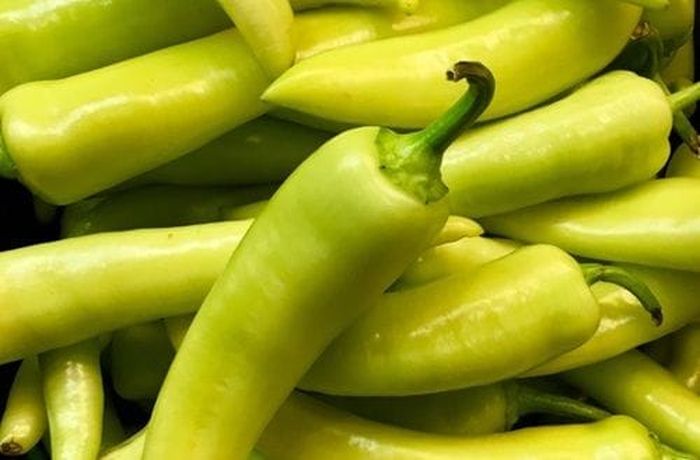
- Pack the jars: Prepare clean, dry glass jars — preferably sterilized by submerging them (with their lids) in boiling water for 10 minutes, then drying upside down on a clean cloth. Pack the pricked chilies into the jars and distribute whole black peppercorns evenly among them so the aromatic compounds release gradually and uniformly during the resting period.
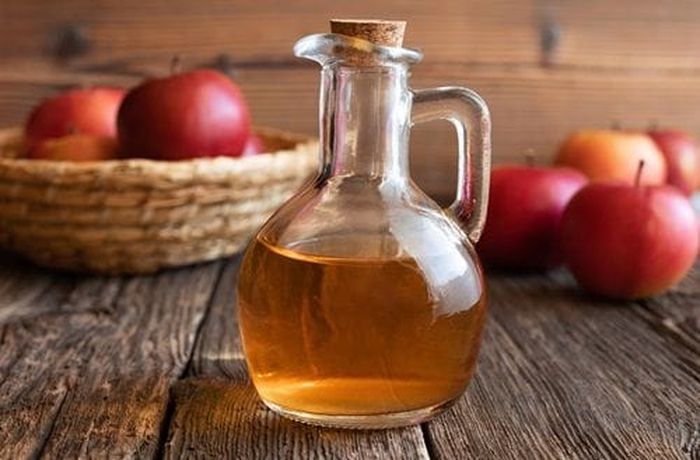
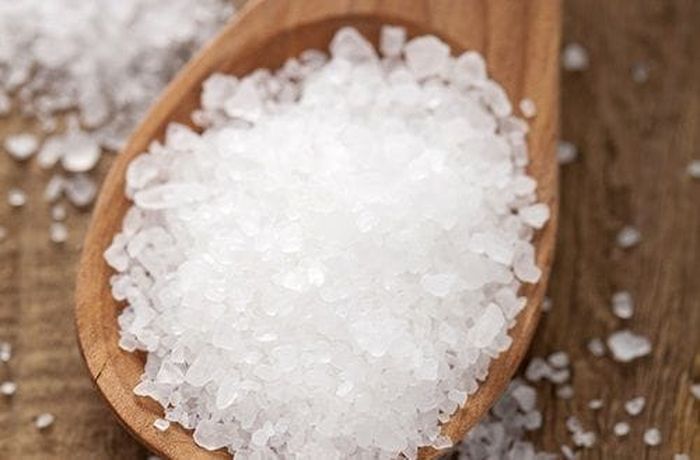
- Add vinegar, seal, and rest: Pour the apple cider vinegar into the jars until the chilies are completely submerged — no part of any chili should be above the vinegar line. Add coarse sea salt to taste. Gently shake each jar to release any air bubbles trapped between the chilies. Seal hermetically and store in a cool, dark place. Wait at least 5 days before opening. The longer the jars rest, the more aromatic and intense the escabeche becomes.
Additional Tips
Sterilize Jars Properly for Maximum Shelf Life
Sterilization is not optional if you want the full 6-month shelf life. Submerge both jars and lids in boiling water for a minimum of 10 minutes, fully covered. Use tongs to remove them and place them upside down on a clean kitchen towel to air-dry completely before filling. Any remaining moisture inside the jar can introduce bacteria that will shorten shelf life or cause spoilage even in an acidic environment.
Prick Gently — Depth Matters
The goal of pricking is to create channels through the skin without compromising the structural integrity of the chili. Two or three shallow fork pricks, or one small knife incision about 1 cm deep, is sufficient. Deeper cuts — or cutting the chili in half — accelerate vinegar penetration but also cause the flesh to soften and break down within the first few weeks, producing a mushy rather than firm pickle.
| Chili Variety | Heat Level | Best For | Notes |
|---|---|---|---|
| Ají cristal | Mild | All-purpose pickling; good for first-timers | Thin skin, cures quickly, remains crisp |
| Ají cacho de cabra | Medium | Traditional escabeche; DOC variety | Elqui Valley origin; protected denomination of origin |
| Ají verde | Medium-hot | More heat in the brine | Widely available; reliable texture after curing |
| Ají rojo | Hot | Color contrast; mixed jars | Colors the brine red; use sparingly for heat control |
Frequently Asked Questions (FAQs)
What type of Chilean chili is best for pickling?
Ají cristal and ají cacho de cabra are the best choices — firm flesh, medium heat, and skin that holds up well during curing. Choose unblemished, firm chilies with no soft spots or wrinkled skin. Avoid overly ripe chilies, which break down too quickly.
Why must I avoid iodized salt for pickling?
Iodine reacts with the acids and compounds in the brine, turning the chilies dark, producing off-flavors, and potentially shortening shelf life. Use only coarse sea salt, kosher salt, or pickling salt — any non-iodized variety with no anti-caking additives.
How long do Chilean pickled chilies last?
Up to 6 months in sterilized jars stored in a cool, dark place. Once opened, refrigerate and consume within 2 months. Flavor develops with time — mild and crunchy at 5 days, deeply infused and pungent at one month and beyond.
Can I use regular white vinegar instead of apple cider vinegar?
Yes — white vinegar, white wine vinegar, or chicha vinegar all work. Acidity must be at least 5% for safe preservation. Apple cider vinegar gives a milder, slightly fruity brine; white vinegar gives a sharper, more neutral result.
Is it normal for the pickled chilies to change color?
Yes. Green chilies may turn slightly olive or yellowish, and the brine will take on color from the flesh — this is normal and does not affect quality. Discard only if you see mold on the brine surface, dark spots on the glass, or detect an off smell when opening.
Can I add other seasonings to the pickling jar?
Yes. Whole garlic cloves, bay leaves, dried oregano, coriander seeds, and thinly sliced onion all work well. Add them at step 2 with the peppercorns. Avoid fresh herbs — they can harbor bacteria and reduce shelf life.
What Is Chilean Ají en Escabeche?
Ají en escabeche is a cold vinegar pickle made with fresh Chilean chili peppers preserved in apple cider vinegar, coarse salt, and aromatics. It is one of the oldest preservation techniques in the Chilean culinary tradition — a method used for centuries to extend the availability of seasonal produce through the winter months. Unlike hot-process pickles that use a heated brine, Chilean ají en escabeche relies entirely on the cold acidification of the vinegar to cure the chilies over a resting period of days to weeks, producing a condiment that is simultaneously sharp, fragrant, and unmistakably Chilean.
History and Origin of Ají Cacho de Cabra
The most traditional chili for this escabeche is the ají cacho de cabra — literally “goat horn chili” for its characteristic curved shape — which originates from the Elqui Valley in the Coquimbo Region of northern Chile. Its cultural and economic significance is such that it holds a Protected Denomination of Origin (DO) in Chile, which restricts the use of the name “ají cacho de cabra” to chilies produced using traditional methods within its recognized geographic area. The Elqui Valley’s dry, sunny climate and altitude produce a chili with a distinctive flavor profile — medium heat, slightly fruity, with a firm skin that makes it ideal for pickling and drying.

Did You Know?
Capsaicin — the compound responsible for the heat in chili peppers — is not water-soluble, which is why drinking water does not relieve chili burn. It is, however, soluble in fat and alcohol. If you experience skin irritation from handling large quantities of chilies without gloves, rubbing the affected area with vegetable oil or full-fat milk before washing with soap is more effective than rinsing with water alone. This same chemical property is why dairy-based accompaniments (like yogurt or sour cream) are effective at cutting chili heat in food.
How to adapt this recipe to a vegan or vegetarian version?
How to adapt this recipe to a gluten-free version?
How to adapt this recipe to a keto (ketogenic) version?
Recommended
- Chilean Chunchules with Toasted Flour — Homemade Crispy Beef Intestines Recipe
- Chilean French Fries in Lard — Double-Fried Papas Fritas en Manteca Recipe
- Chilean Southern Hake Cancato — Homemade Cancato de Merluza Austral Recipe
- Chilean Baked Corvina — Homemade Corvina al Horno Recipe