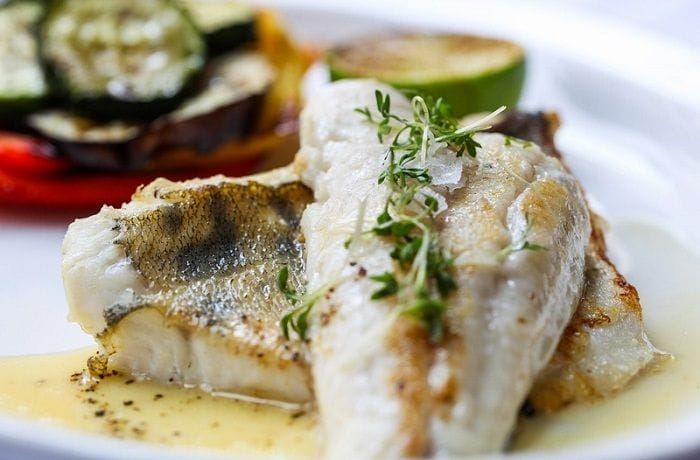
Chilean baked corvina (corvina al horno) is made by marinating corvina fillets in white wine, dill, salt, and pepper for 60 minutes, then baking them on a bed of tomato slices with sautéed garlic and onion, covered in foil, at 180°C for 45 minutes — a light, aromatic Pacific fish dish that serves 4 people in just over an hour.
Corvina is one of the most prized white fish along the Chilean Pacific coast. Its firm, mild flesh holds up well to oven cooking without falling apart, and its natural flavor is subtle enough to carry the wine and herb marinade without being overwhelmed — making corvina al horno one of the simplest and most reliable fish recipes in Chilean home cooking.
How to Make Chilean Baked Corvina?
The structure of this recipe is a layered bake: tomato rounds line the bottom of the dish and release moisture during cooking, keeping the fish from sticking and steaming gently from below; the garlic and onion sofrito adds aromatic depth; the foil traps all the steam from the marinade and vegetables, effectively braising the fillets in white wine vapor for 45 minutes. The result is fish that is moist, flavorful, and infused throughout — not just seasoned on the surface.
Nutritional Information
Each serving of Chilean baked corvina contains approximately 250 calories, 10 g of carbohydrates, 10 g of total fats (2 g saturated), 30 g of proteins, 2 g of fiber, 3 g of sugars, and 200 mg of sodium. Corvina is a lean white fish with high protein density and low fat content, rich in omega-3 fatty acids, phosphorus, iron, calcium, potassium, magnesium, and vitamin A — making it one of the most nutritionally complete fish available along the Chilean Pacific coast.
Homemade Chilean Baked Corvina Recipe
Prep Time: 60 minutes (includes marinating)
Cook Time: 45 minutes
Servings: 4
Ingredients
- 2 corvina fillets (or 1 whole corvina, scored)
- 200 ml dry white wine (Sauvignon Blanc or Chardonnay)
- 3 garlic cloves, finely chopped
- 2 medium tomatoes, sliced into rounds
- 1 onion, sliced into rounds
- 1 teaspoon dried dill (or fresh thyme)
- Extra-virgin olive oil
- Fine sea salt
- Black pepper
- Aluminum foil

Instructions
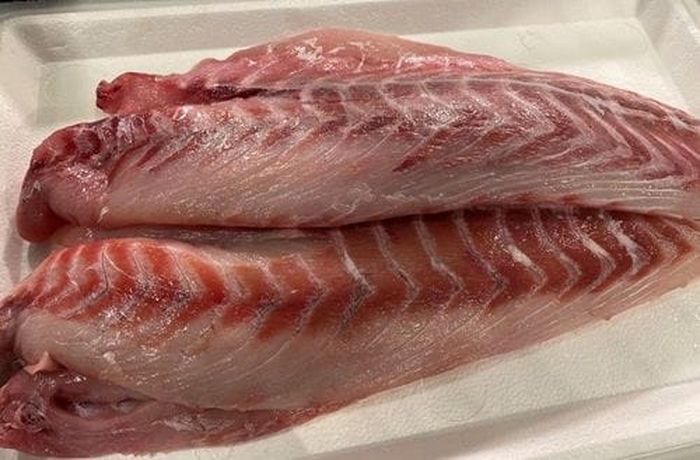
- Marinate the corvina: Place the corvina fillets in a large glass dish. Pour the white wine over the fish, add the dill (or thyme), season with salt and pepper, and turn the fillets to coat evenly. Cover with plastic wrap and marinate in the refrigerator for 60 minutes. Preheat the oven to 180°C (356°F) for at least 10 minutes before baking.
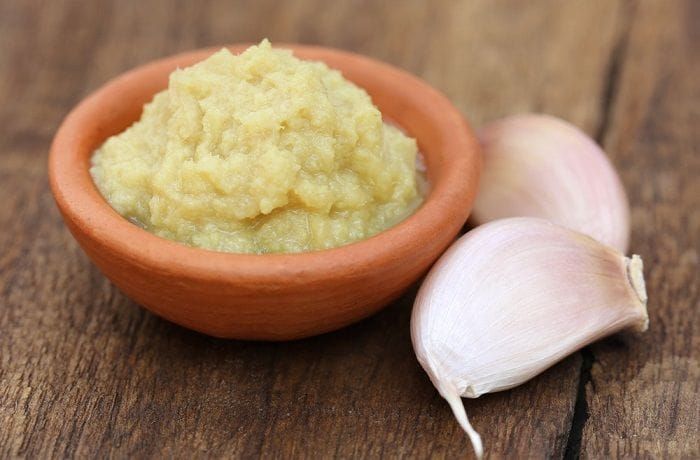
- Make the garlic and onion sofrito: In a medium skillet, heat a drizzle of olive oil over high heat. Add the chopped garlic and sliced onion, reduce the heat to medium, and cook for about 5 minutes, stirring occasionally, until the onion softens and becomes translucent. Remove from heat and set aside.
- Assemble the baking dish: Drizzle a little olive oil over the bottom of a glass or ceramic baking dish. Arrange the tomato slices in a single layer to cover the base. Place the marinated corvina fillets on top of the tomatoes. Distribute the garlic and onion sofrito over and around the fillets. Pour the remaining marinade liquid from the dish over everything. Cover the dish tightly with aluminum foil.

- Bake and serve: Transfer the covered dish to the preheated oven and bake for 45 minutes, or until the fish is fully cooked through — the flesh should separate cleanly in layers when pressed at the thickest point. Serve the Chilean baked corvina immediately, directly from the baking dish, accompanied by boiled or roasted potatoes, white rice, or a fresh green salad.
Additional Tips
Is Marinating Mandatory?
Marinating is not strictly required, but it makes a significant difference. The white wine and herb marinade gently tenderizes the fish, hydrates the flesh, and builds a flavor layer throughout the fillet that plain seasoning cannot replicate. A minimum of 30 minutes produces a noticeable improvement; 60 minutes is the standard. If pressed for time, at least season the fillets with salt, pepper, and dill 15 minutes before baking and pour the wine directly into the baking dish at assembly.
Using Whole Corvina Instead of Fillets
If you prefer to cook the fish whole, increase the baking time to 60 to 70 minutes. Before marinating, score the sides of the corvina with shallow diagonal cuts every 3 cm — this allows the wine and herbs to penetrate beyond the skin and into the flesh. A whole fish also benefits from being stuffed with a few slices of lemon, fresh herbs, and a smashed garlic clove inside the cavity before sealing with foil.
Choosing the Right White Wine
The wine used in the marinade and baking liquid becomes concentrated during the 45 minutes in the oven — its flavors intensify and meld with the fish juices and vegetables. For this reason, choose a wine you would enjoy drinking: a dry, young Chilean Sauvignon Blanc is the first choice, offering bright acidity that cuts through the richness of the olive oil and complements the delicate corvina. A young Chardonnay also works. Avoid sweet whites, which turn cloying when reduced, and heavily oaked or aged whites, which can overwhelm the fish.
| Variation | Swap | Adjustment | Result |
|---|---|---|---|
| Whole fish | 2 fillets → 1 whole corvina (1.5–2 kg) | Bake 60–70 min; score sides before marinating | More dramatic presentation; more moist near the bone |
| Alternative fish | Corvina → reineta, merluza, or sea bass | No change | Reineta has a richer flavor; merluza is milder and flakes more |
| Herb variation | Dill → fresh tarragon or flat-leaf parsley | No change | Tarragon adds an anise note; parsley keeps the flavor neutral |
| Wine-free | 200 ml wine → 100 ml fish stock + juice of 1 lemon | No change | Lighter flavor; works well for those avoiding alcohol |
Frequently Asked Questions (FAQs)
Is marinating the corvina mandatory?
Marinating is highly recommended but not strictly mandatory. A 60-minute marinade in white wine and dill tenderizes the fish, hydrates the flesh, and adds flavor throughout the fillet. If short on time, marinate for at least 15 to 30 minutes and pour the wine directly into the baking dish at assembly.
Can I use whole corvina instead of fillets?
Yes. Increase oven time to 60 to 70 minutes and score the sides with shallow diagonal cuts before marinating so the wine and herbs penetrate the flesh. Check doneness by inserting a skewer near the backbone — it should meet no resistance.
What type of white wine works best for this recipe?
A dry, young Chilean Sauvignon Blanc is ideal — its acidity complements the corvina and the tomato. A young Chardonnay also works well. Avoid sweet or heavily oaked whites, which overwhelm the delicate flavor of the fish when reduced during baking.
How do I know when the baked corvina is fully cooked?
Peel back a corner of the foil and press the thickest part of a fillet. When properly cooked, the flesh separates into clean flakes — like pages of a book. If it resists and feels rubbery, cover and return to the oven for 5 to 10 more minutes.
What Is Chilean Corvina?
Chilean corvina (Cilus gilberti), also known as corvina pampera, belongs to the Sciaenidae family — the same family as the Atlantic red drum and the North American spotted seatrout. It inhabits soft-bottomed seabeds at depths of 5 to 50 meters along the Chilean Pacific coast, feeding primarily on crustaceans, mollusks, marine worms, and small fish. Its flesh is white, firm, and mildly flavored, with a fine grain that holds together well under heat — qualities that make it equally suited to baking, grilling, and ceviche. Corvina is widely popular in Peru and Colombia as well as Chile, though each country’s culinary tradition uses it differently.
History of Corvina in Chilean Cuisine
Corvina has been fished along the Chilean coast since pre-Columbian times, when coastal indigenous communities relied on Pacific fish as a primary protein source. Colonial-era Chilean cooking incorporated European baking techniques — particularly the use of wine, olive oil, and aromatic herbs — into existing fish preparations, producing the corvina al horno that appears in Chilean cookbooks from the 19th century onward. Today it remains one of the most commonly prepared fish in Chilean homes, appreciated for its availability, affordability, and the ease with which it adapts to simple oven cooking without specialized equipment.
Did You Know?
Corvina is one of the few fish that produces a distinctive audible sound. Members of the Sciaenidae family use their swim bladder as a resonating chamber to produce drumming or croaking calls during spawning season — the reason the family is commonly called “drums” or “croakers” in English. This biological trait has nothing to do with the flavor of the fish, but it is one of the more unusual facts about a species that otherwise keeps a low profile as a reliable, everyday ingredient in Chilean coastal cooking.