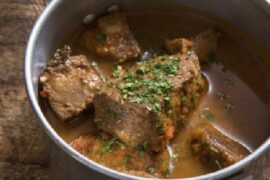

Chilean pea chicken (pollo arvejado) is made by searing bone-in chicken pieces with peas, carrots, and white wine — cooked in one pot in under 60 minutes. Each serving provides approximately 350 kcal.
This Chilean pea chicken, or chicken arvejado, recipe is a classic in every Chilean family, recognized as a typical “grandmother’s recipe,” evoking the best of home cooking while always bringing a touch of originality, flavor, and color to the table.
Nutrition Facts
Each serving of Chilean Pea Chicken contains approximately 350 kcal, 25 g of protein, 18 g of total fats, 5 g of saturated fats, 1 g of trans fats, 60 mg of cholesterol, 15 g of carbohydrates, 5 g of sugars, and 550 mg of sodium.
How to Make Chilean Pea Chicken
The Chilean pea chicken recipe is made with very accessible, economical, and quick-to-prepare ingredients, using your preferred cuts of chicken. It’s a staple in restaurants and homes at lunchtime throughout Chile.
Prep Time: 20 minutes
Cook Time: 40 minutes
Servings: 6
Ingredients
- 1 whole chicken, cut into pieces
- 3 tablespoons of oil
- 2 cups of green peas
- 2 carrots, peeled and sliced
- 2 cups of water
- 1 onion, chopped
- 1 bay leaf
- ½ green bell pepper, cut into strips
- ½ red bell pepper, cut into strips
- ½ cup white wine
- Salt
- Pepper
Instructions
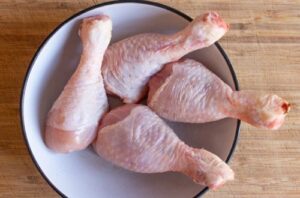
- Wash the chicken pieces in cold water without removing the skin, pat dry with paper towels, and season with salt and pepper to taste. Set aside. In a large pot, add the oil and heat over medium heat, incorporate the chicken pieces, and sear until golden brown on both sides. Remove and set aside.
- In the same pot and using the same oil, reduce to medium heat and add the chopped onions, carrots, and bell peppers. Sauté until the onion is translucent and the vegetables are cooked, about 10 minutes. Add the bay leaf and stir gently to incorporate the aromas and flavors.
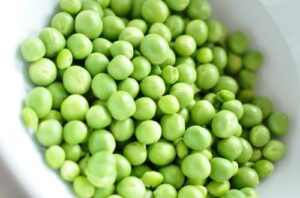
- Reincorporate the chicken into the pot, add the peas, water, and white wine. Taste and adjust seasoning, bring to a boil, reduce the heat to low, and cook for 20 to 30 minutes or until the peas and chicken are well cooked. Serve hot, optionally accompanied by steamed rice, French fries, or salads.
Additional Tips
Thaw chicken completely before cooking
If using frozen chicken pieces, thaw them completely in the refrigerator overnight. Starting with partially frozen chicken prevents even searing and extends cooking time unpredictably.
Choose bone-in cuts for maximum juiciness
For the most traditional and juicy result, use bone-in pieces like drumsticks or thighs. The bone transfers heat more evenly, adds collagen to the sauce, and the skin protects the meat during the long simmer.
Add peas in the last 10 minutes for best color
Whenever possible, use fresh peas and add them only in the last 10 minutes of cooking. This preserves their vibrant green color and prevents them from turning grey and soft during the long simmer.
| Chicken cut | Best use in this recipe |
|---|---|
| Drumsticks | Best choice — bone keeps the meat juicy during the 30-minute simmer |
| Bone-in thighs | Excellent — rich flavor, stays moist without drying out |
| Whole chicken pieces | Traditional — mixed cuts give varied textures on the same plate |
| Boneless breast | Add only in the last 15 minutes — overcooks and dries out quickly |
| Wine substitute | Chicken stock + a splash of lemon juice — works well as replacement |
Frequently Asked Questions (FAQs)
1. Can I use frozen peas instead of fresh?
Absolutely. High-quality flash-frozen peas are often more nutritious than fresh peas that have traveled long distances. Add them directly from the freezer during the last 10 minutes of cooking to maintain their texture and color.
2. Why does my chicken sometimes end up dry?
This usually happens when using boneless, skinless breasts. For the most traditional and juicy result, use bone-in pieces like drumsticks or thighs. The bone transfers heat more evenly and adds collagen to the sauce, while the skin protects the meat during the simmer.
3. What is the best wine to use?
Stick to a dry Chilean Sauvignon Blanc or a crisp Chardonnay. Avoid sweet wines, as the carrots already provide natural sugars — you need the wine’s acidity to cut through the richness of the chicken fat.
4. How can I make the sauce thicker?
Traditionally, the sauce is a light broth. For a thicker consistency, toss the chicken pieces in a light coating of flour before searing. The starch will gelatinize as it simmers with the water and wine, creating a silkier texture.
History of Chilean Pea Chicken
Pollo arvejado has deep roots in Chilean rural cuisine, where chickens were raised at home and peas were grown seasonally in kitchen gardens. The dish became a family staple during the mid-20th century as refrigeration made chicken affordable for everyday households. The addition of white wine reflects the influence of European immigration — particularly Italian and Spanish — on Chilean home cooking. It remains one of the most requested dishes at fondas during Chilean national holidays in September.
Did You Know?
Pea chicken is considered a typical Chilean dish, very popular in the central area of the country, but its preparation has now widely spread even to other Latin American countries.