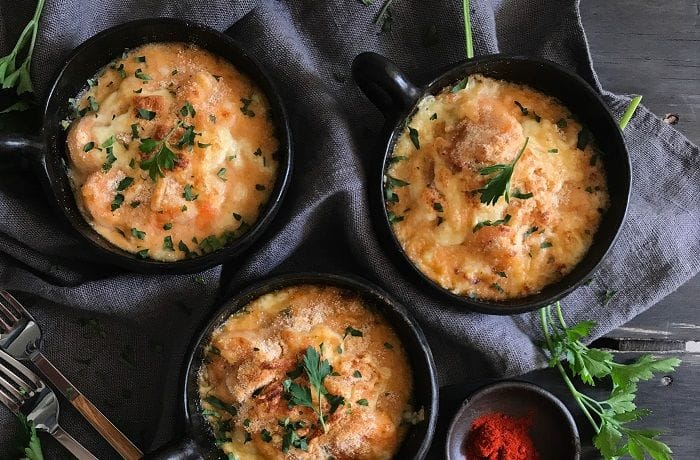
Chupe de Camarones is undoubtedly a popular recipe in many countries, but a special feature of the Chilean version is the use of soaked bread (either ‘molde’ or ‘marraqueta’), which provides an additional creaminess and texture that makes it unmistakable.
Nutrition Facts
Each serving of shrimp chupe contains approximately 450 kcal, 30 g of carbohydrates, 25 g of fats (12 g of saturated fats), 20 g of proteins, and 700 mg of sodium.
How to Make Shrimp Chowder
When preparing shrimp chowder, we generally use frozen, shell-off shrimp, so be sure to transfer them to the refrigerator at least 12 hours in advance to achieve better results.
Prep Time: 30 minutes
Cook Time: 30 minutes
Servings: 4
Ingredients
- 500 g of shrimp
- 250 ml of milk
- 200 g of cream
- 100 ml of white wine
- 4 slices of crustless bread
- 2 tablespoons of lemon juice
- 1 onion, diced
- 1 garlic clove, minced
- ½ red bell pepper, diced
- ½ green bell pepper, diced
- Extra virgin olive oil
- Grated creamy cheese
- Merkén (Chile spice blend)
- Salt
- Pepper
Instructions
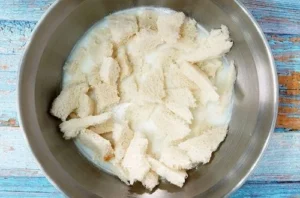
- In a large bowl, combine the bread with the milk and add half of the cream. Let it soak until completely moistened. Set aside. In a large pan, add a good splash of olive oil and heat over high flame. Add the onion, garlic, and bell peppers, then reduce the heat and sauté, stirring with a wooden spoon until the onion is translucent.
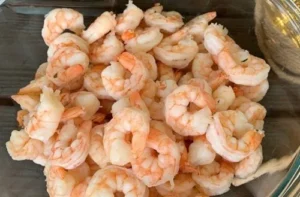
- Incorporate the shrimp, season with salt and pepper to taste, and optionally add 1 or 2 teaspoons of Merkén. Sauté for about 3 minutes to integrate the aromas and flavors, then add the lemon juice, white wine, cream, and 3 tablespoons of grated cheese. Add the soaked bread and mix everything gently with folding movements until evenly distributed; check the seasoning and adjust if necessary.
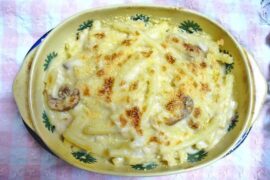
- Spread the mixture in an oiled oven dish or individual dishes, sprinkle grated cheese on top to taste, and bake in a preheated oven at 180°C (356°F) for about 10 minutes or until the cheese is gratinated. Serve the shrimp chowder immediately, piping hot, optionally garnished with whole shrimp and freshly chopped cilantro.
Secrets for a “Chef-Grade” Chupe
- The Starch Hydration Rule: Using marraqueta or crustless white bread is essential. The bread acts as a colloidal thickening agent. By soaking it in milk and cream before adding it to the pan, you allow the proteins to wrap around the starch granules, resulting in a smooth, custardy texture rather than a lumpy one.
- Deglazing for Depth: When you add the white wine after sautéing the shrimp, you aren’t just adding liquid; you are performing a chemical extraction of the “fond” (the brown bits) from the bottom of the pan. This acidity balances the richness of the heavy cream and cheese.
- The “30-Second” Sauté: Overcooked shrimp become rubbery and lose their sweetness. Technically, you only need to sauté them for 3 minutes during the initial stage. They will finish cooking perfectly during the 10-minute gratinating process in the oven.
- Temperature Management (180°C): Gratinating at 180°C (356°F) is the “sweet spot”. It’s hot enough to create the Maillard reaction on the cheese crust without causing the cream-based sauce underneath to break or separate into oil.
Frequently Asked Questions (FAQ)
1. Can I use whole shrimp with the heads on?
While the recipe uses shell-off shrimp for convenience, using the heads to make a quick “shrimp butter” or concentrated stock to soak the bread in will exponentially increase the umami and depth of the dish.
2. Why is the bread “crustless”?
The crust of the bread has already undergone the Maillard reaction and is much tougher. Using it would result in dark, chewy bits in your Chupe. For a perfectly white, creamy interior, only the crumb (the soft white part) should be used.
3. What is the best cheese for gratinating?
A high-fat, creamy cheese that melts easily is best. In Chile, queso mantecoso is standard, but you can use a young Gouda, Monterey Jack, or even a mild Provolone to achieve that perfect golden crust.
4. Does the alcohol in the wine evaporate?
Most of it does. By adding it to a hot pan and simmering it with the shrimp, the ethanol evaporates, leaving behind only the tartaric acid and fruity notes that cut through the creaminess of the chowder.
5. Can I prepare this in advance?
Yes. You can follow the recipe up to the point of putting it in the oven. Store it in the fridge for up to 24 horas, then just add the cheese and bake it when you are ready to serve.
Benefits of Eating Shrimp
Shrimp is an excellent source of lean, high-quality protein, which is essential for growth, tissue repair, and muscle function. They are also a source of omega-3 fatty acids, known for their positive effects on cardiovascular and brain health.
Did You Know?
The term “chupe” comes from the Quechua word “chupi,” used to define a soup or stew with a wide variety of ingredients, always with a slightly spicy touch.