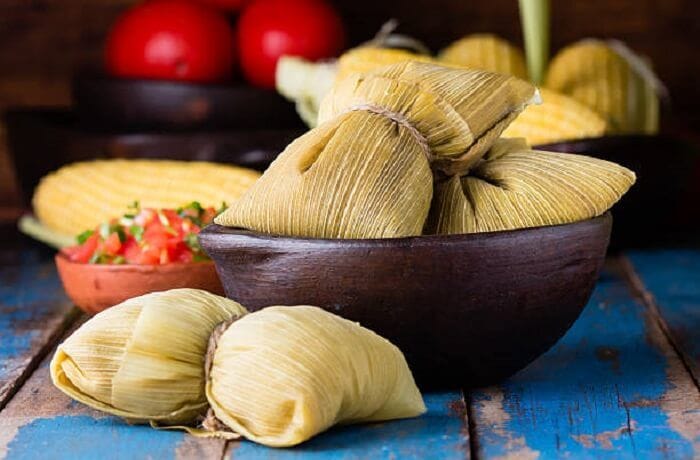
Undoubtedly part of Chile’s culinary landscape, humitas are a classic recipe, especially popular in the summer to coincide with the corn (choclo) season. However, they can be prepared any time of the year thanks to the availability of frozen mixes.
Nutrition Facts
Each serving of corn humitas contains approximately 200 kcal, 5 g of protein, 8 g of fat (2 g of saturated fat), 0 mg of cholesterol, 30 g of carbohydrates, 5 g of sugar, and 250 mg of sodium. (*)
(*) Estimated values may vary depending on ingredients and portions.
How to Make Chilean Humitas
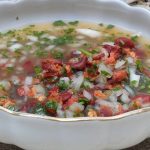
Learn how to prepare delicious Chilean humitas in a pot and enjoy them either in their sweet version, by sprinkling a little sugar on the freshly cooked mixture, or in their savory version accompanied by a delicious Chilean salad.
Preparation: 60 minutes
Cooking: 45 minutes
Servings: 6 humitas
Ingredients
- 6 large ears of corn
- 3 tablespoons of oil
- 1 large onion, diced
- 1 tablespoon of merkén
- Corn husks
- Basil leaves
- Milk
- Salt
- Pepper
Instructions
- In a skillet, heat the oil and sauté the onion over medium heat for about 5 minutes, stirring occasionally until it softens. Season with merkén and stir again. Remove from the heat and let rest. Remove the husks from the corn without breaking them and set aside.
- Shuck the corn and process it with a blender or manual grinder. Add basil leaves and milk until you achieve a liquid preparation with a slight texture that does not easily drain off, incorporate the sautéed onion, and season with a touch of salt and pepper to taste.
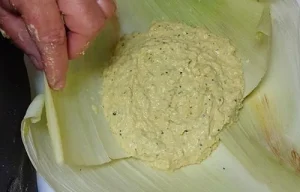
- Distribute the preparation onto the corn husks previously joined in pairs from the base, and form the humitas by making well-sealed packages tied with the strands of the husks or with cooking twine.
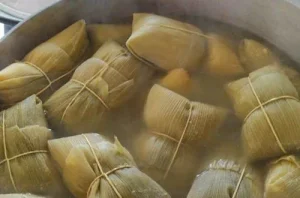
- Immerse the humitas in a large pot with abundant hot water and cook them for approximately 30 minutes, until they feel firm. Remove the water and drain. Serve the corn humitas immediately, accompanied by a Chilean salad.
Keys for a Perfect Humita
- Basil and Texture: The basil should be processed with the corn to ensure the essential oils permeate the entire mixture. When adding milk, do it gradually; the goal is a creamy paste that holds its shape on a spoon, not a liquid soup.
- The Art of the Fold: Using the largest, most flexible husks is essential. Overlapping two husks from the base creates a wider surface area, making it easier to form a secure, leak-proof envelope before tying.
Frequently Asked Questions (FAQ)
1. Sweet or Savory: What is the tradition?
Chile is unique in that both are traditional! In the countryside, it is common to sprinkle granulated sugar on top of a hot humita. However, the most popular savory pairing is a Chilean salad (tomatoes, onions, and cilantro), where the tomato juices complement the creamy corn filling.
2. Can I make them if it’s not summer?
Yes. You can use frozen ground corn mixes found in most Chilean supermarkets. Just ensure you drain any excess moisture and adjust the seasoning, as frozen corn can be slightly sweeter and more watery than fresh choclo humero.
3. Why do my humitas fall apart in the water?
This usually happens if they aren’t tied tightly enough or if the water is at a violent boil. Ensure the water is at a gentle simmer and the “packages” are firm to the touch before immersing them.
4. What is the best way to reheat them?
While boiling is standard, many Chileans prefer using a toaster over a low flame. This slightly chars the husks and provides a deeper, roasted aroma to the corn inside.
5. How long do they last?
Freshly cooked humitas last 3 to 4 days in the refrigerator. They are also excellent for freezing; once cold, wrap them in plastic wrap and freeze for up to 6 months.
Origin of the Word “Humita”
Humita, or huminta, is a term originating from the Quechua “humint’a” (sweet dough) and is a preparation that, with different variations, is also consumed in other countries of the Andean zone, such as Argentina, Peru, Bolivia, and Ecuador.
Did You Know?
The oldest remains of corn found are located in the Tehuacán Valley in central Mexico, estimated to be 8,000 years old, a geographical area with a very low annual rainfall average that mainly harbors species typical of hot and dry land.