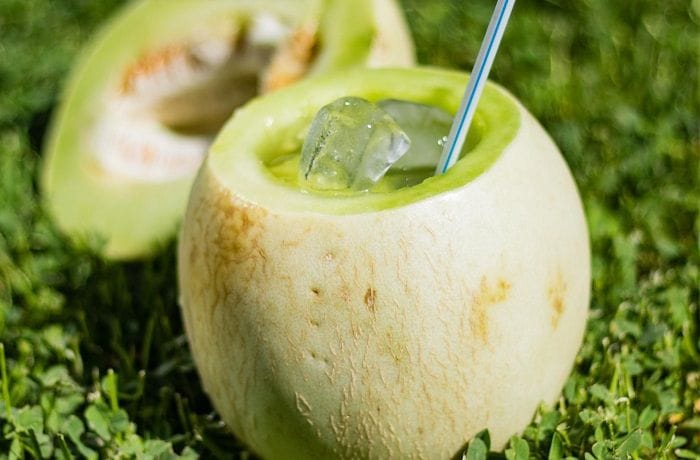
Chilean melon con vino — known simply as melvin — is a summer cocktail made by filling a hollowed honeydew melon with chilled white wine, sugar, and fruit pulp, then serving directly from the shell with a straw. Ready in 20 minutes, it is Chile’s most iconic beach drink, celebrated nationally on January 15th.
How to Make Melon with Wine?
The Chilean melon with wine, or Melvin, has become one of the most popular summer cocktails in the country — celebrated for its flavor, refreshing qualities, and effortless preparation. The technique could not be simpler: hollow a ripe honeydew melon, fill with chilled white wine and sugar, wait 10 minutes, and drink directly from the shell. The result is a cocktail that is greater than the sum of its parts — the melon wall infuses the wine with sweetness and aroma as you drink.
Nutritional Information
Each serving of melon with wine contains approximately 300 calories, 1 g of protein, 0 g of fat, 0 mg of cholesterol, 40 g of carbohydrates, 35 g of sugars, and 10 mg of sodium.
(*) Estimated values based on a standard honeydew melon and white wine; actual values vary with sugar usage and ingredients.
Authentic Chilean Melvin Recipe
Preparation: 20 minutes
Servings: 2 people
Ingredients
- 1 ripe honeydew melon
- 1 liter of white wine
- 100 g of sugar
- 1 banana (optional)
- Ice cubes
Instructions
- Refrigerate the white wine between 5 and 10°C (41 and 50°F) for at least one hour or, ideally, from the night before.

- Cut a thin slice from the base of the melon for stability, then cut off the top. Remove the fruit pulp and seeds with a spoon, being careful not to break the shell.

- Chop the extracted pulp and optionally the banana, return all the chopped fruit inside the hollowed melon, cover with sugar, fill with the chilled white wine, and stir gently to dissolve and integrate.

- Let the melon with wine rest for about 10 minutes so the flavors integrate, optionally add some ice, and serve very cold directly from the shell with a long straw.
Additional Tips
Macerate for at least 10 minutes — do not drink it immediately
The 10-minute rest inside the melon shell is not optional — it is the step that transforms a simple wine-and-fruit combination into a unified cocktail. During this time, the sugar dissolves completely, the wine begins to extract aromatic juices from the melon walls through osmosis, and the chopped pulp releases additional sweetness and flavor into the wine. A melvin drunk immediately after assembly tastes like wine with melon pieces; one rested for 10 minutes tastes like a single, harmonious summer drink.
Leave a thin layer of pulp on the shell — it flavors the wine as you drink
When hollowing the melon, do not scrape the shell completely bare — leave a thin 5 mm layer of fruit attached to the inner wall. As you drink, the wine contacts this layer and continues extracting melon flavor and sweetness. The further you drink down, the more the wine is flavored by the melon wall. This self-refilling flavor effect is part of what makes drinking directly from the shell superior to pouring the melvin into a separate glass.
Add ice only at the last moment — early ice dilutes the flavor rapidly
Ice added during the 10-minute maceration period melts significantly, diluting the wine and reducing the sugar concentration before you have even started drinking. Add ice after the maceration is complete — just before serving. Alternatively, pre-chill the wine to 5°C the night before, which eliminates the need for ice entirely and produces a cleaner, undiluted flavor. In traditional Chilean beach settings, the melvin is often drunk without ice because the pre-chilled wine and the shade of the beach umbrella are sufficient to keep it cold for the 15 to 20 minutes it typically lasts.
Wine selection guide
| Wine type | Chilean example | Effect on flavor |
|---|---|---|
| Sauvignon Blanc (box) | Gato Blanco, Undurraga | Crisp, classic — the traditional choice |
| Moscato | Concha y Toro Moscato | Sweeter, more aromatic |
| Chardonnay | Casillero del Diablo | Richer body, tropical notes |
| Carmenère rosé | Santa Rita rosé | Light color, red fruit notes |
Frequently Asked Questions (FAQs)
1. What kind of white wine should I use?
The most traditional choice is a box of Sauvignon Blanc or a simple entry-level Chilean white wine. You do not need an expensive bottle — the melon and sugar dominate the flavor profile, and a complex wine would be largely masked. Chilean box wines (Gato Blanco, Undurraga, Concha y Toro) are the authentic choice and produce an excellent result at very low cost.
2. Can I use a cantaloupe (melón calameño)?
While the honeydew (melón tuna) is the classic choice for a melvin, cantaloupe (melón calameño) works well in its absence. The honeydew is preferred for its firmer shell, which holds up longer without softening, and its higher water content, which produces more juice as the wine macerates. Cantaloupe produces a slightly sweeter, more aromatic melvin with a more pronounced orange color from the fruit.
3. Why add a banana?
Adding a chopped banana is an optional but popular variation in some Chilean regions. It adds a different, softer texture and a tropical sweetness that complements the white wine and melon. The banana also acts as an edible snack to scoop out while drinking. Not everyone includes it — the traditional melvin is melon and wine only — but the banana version has a following, particularly in central Chile.
4. When is Melon with Wine Day in Chile?
In Chile, Melon with Wine Day is celebrated every January 15th — one of the many informal Chilean gastronomic celebrations that mark the summer calendar. The day is typically celebrated at beaches, parks, and family gatherings by preparing and sharing melvins in the traditional way: from the whole shell, shared among friends with a long straw.
5. How do you drink it traditionally?
The most authentic way is to drink directly from the melon shell using a long straw, sharing among friends — passing the melon around the group. You can also pour individual servings into glasses, but drinking from the shell is considered the proper Chilean beach tradition. As the level drops, some people add more wine to refill — the melon wall continues flavoring each addition for the first few rounds.
What Is Chilean Melvin?
Chilean melvin — melon con vino — is a summer cocktail made by hollowing a ripe honeydew melon, filling it with chilled white wine, sugar, and chopped fruit, and drinking directly from the shell. It is one of the most distinctively Chilean summer beverages, combining the accessibility of box wine with the natural sweetness of seasonal honeydew melon in a format that is both visually distinctive and uniquely social — the shared shell passed among friends is as much a part of the experience as the drink itself. Melvin is drunk at Chilean beaches, parks, and family gatherings throughout the summer months and is celebrated nationally on January 15th.
History of Melon with Wine in Chile
The combination of fruit and wine has ancient origins — adding fruit, honey, or spices to wine to improve its flavor was a universal practice in antiquity, from Roman mulsum to medieval hypocras. In Chile, the tradition of combining melon with wine reflects the country’s position as both a major melon producer (in the hot, arid valleys of the central and northern regions) and a significant wine producer. The specific format of the melvin — hollowing the melon and using the shell as the vessel — is a Chilean innovation that transformed a simple wine punch into a visual and social experience. The origin of this particular serving method is not precisely documented, but the melvin appears to have become established as a beach and summer tradition during the second half of the 20th century, as access to refrigeration, box wine, and private beach culture expanded among the Chilean middle class. The January 15th celebration date reflects the peak of the Chilean summer and melon season, when honeydew melons are at their sweetest and most affordable.
Did You Know?
As one of the most popular beverage celebrations in Chile, on the “Melon with Wine Day,” everyone gets together to celebrate and share the joy of the festival. On this memorable day, we can choose some items to preserve this memory.
For example, choose exquisite Custom Lapel Pins, on which you can add some elements of the Melon with Wine Day and the date of the festival. It is hard and affordable. In addition to being preserved as a souvenir, it is also a very good choice to give it to friends as a gift. Click on the picture to customize it.

How to adapt this recipe to a vegan or vegetarian version?
How to adapt this recipe to a gluten-free version?
How to adapt this recipe to a keto (ketogenic) version?
Recommended
- Chilean Vaina Cocktail Recipe
- Traditional Apple Chicha
- Sea Urchin Omelette Recipe
- Chilean Piure Shot Recipe