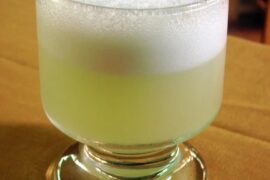
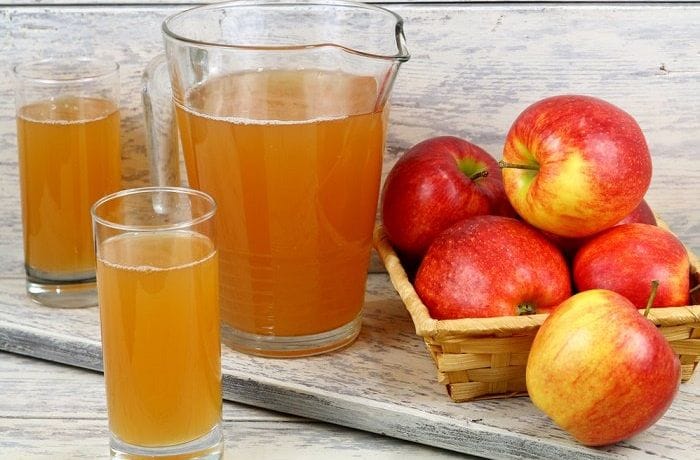
Artisanal apple chicha is a Creole brew considered one of the most popular and traditional beverages during the apple harvest in southern Chile, somewhat more rustic than cider and naturally fermented.
Nutrition Facts
Each serving of Apple Chicha (approx. 200 ml) contains approximately 120 kcal, 0.5 g of protein, 0.2 g of fat, 22 g of carbohydrates (mostly from natural fruit sugars), and 5 mg of sodium.
How to Make Apple Chicha
The “chicheras” apples are bittersweet, but modern varieties do not ferment properly. They say, “The chicha doesn’t get strong in a good way; after a few months, it turns sour and takes on an unpleasant odor.”
Prep Time: 15 days
Servings: 6
Ingredients
- 50 sweet field apples
- 1 cup of sugar
- Toasted flour

Ingredients
- Wash the apples in cold water, remove the stem and leaves, and reserve them unpeeled. Squeeze in a juicer, add the sugar, and dissolve everything very well with a wooden spoon.
- Store the juice in a container with a lid and keep it in a dark place. After 15 days, filter the apple chicha with a cloth strainer to remove impurities and bottle it. Serve the chicha cold, alone or with toasted flour.
Expert Cooking Tips
- Varietal Selection for Fermentation: Use “sweet field apples” or bittersweet heirloom varieties. Modern supermarket apples often lack the specific tannins and high sugar concentration needed for stable fermentation. Without these, the brew may lose its structure and develop unpleasant odors after a few months.
- Wild Yeast Preservation: Wash the apples quickly in cold water but do not peel them. The skin of the fruit carries the wild yeasts ($Saccharomyces\ bayanus$) responsible for spontaneous fermentation. By keeping the skins during the juicing process, you initiate a natural biological cycle without the need for commercial additives.
- Anaerobic Fermentation Control: Store the juice in a covered container in a dark place for at least 15 days. Keeping it away from light prevents the UV degradation of delicate flavor compounds, while the lid creates a CO2-rich environment that encourages alcohol production over acetic acid (vinegar) production.
Frequently Asked Questions (FAQ)
1. How do I know if the chicha is “strong”?
As it ferments, the sugar is converted into alcohol. You will notice small bubbles (CO2) and a sharper, less sweet flavor profile.
2. Can I use a modern juicer?
Yes, for small batches, a centrifugal or cold-press juicer is efficient. Traditionally, a wooden screw press was used for large-scale harvest production.
3. Why did my chicha turn sour?
This happens if the apples are too low in sugar or if oxygen gets into the container for too long, allowing acetobacter to turn the alcohol into vinegar.
4. Is the sugar mandatory?
It helps boost the fermentation, especially if the apples aren’t at peak ripeness. You can adjust the amount based on how sweet or dry you want the final result.
Traditional Apple Chicha
Traditionally, the apple harvest is done by shaking the tree over potato sacks laid out on the ground, where they are then stored for 3 to 4 days to allow the apples to ripen evenly. Then the apples are ground in a hopper with nail rollers, and the mixture is squeezed in a wooden screw press that extracts the juice (sweet chicha), which is finally filtered and stored in uncovered containers. After a few days, it will start to ferment and produce alcohol.
Origin of Apple Chicha
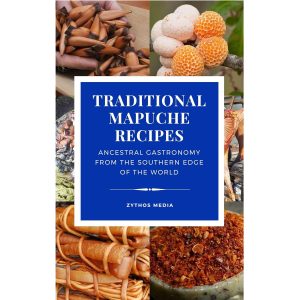
The Mapuche people had enormous apple orchards to make chicha, which they called “chisco” or “pulku manshana,” consumed in special festivities and sometimes mixed with corn chicha to ensure active fermentation, a mixture they called “champura.”
Did You Know?
Apple chicha was also very popular during the colonial period, particularly in Concepción, as, along with maqui chicha, it was the most consumed alcoholic beverage during the 18th century.