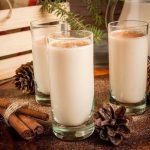

Vaina is a traditional cocktail in Chile, very popular and so ancient that its origins are not clearly defined, with a history that has multiple variations.
Nutrition Facts
Each serving of the Vaina cocktail contains approximately 480 kcal, 6 g of protein, 14 g of fat, 13 g of carbohydrates, 0 g of fiber, 12 g of sugar, 440 mg of cholesterol, and 20 mg of sodium.
How to Make a Chilean Vaina
Formerly at Confitería Torres, the vaina was made with aged wine from the region, Chilean pisco, cream liqueur, cocoa, and cinnamon, but gradually it evolved to the recipe we share today.
Prep Time: 10 minutes
Servings: 2
Ingredients
- 200 ml of sweet wine or sherry
- 120 ml of cognac
- 4 egg yolks
- 4 teaspoons of sugar
- Ground cinnamon
- Crushed ice
Instructions
- Add the sherry, cognac, egg yolks, sugar, and optionally a handful of crushed ice into a large cocktail shaker, cover, and shake vigorously for about 20 seconds to mix everything.
- Serve the Vaina in champagne or flute cocktail glasses, strain the ice, and sprinkle ground cinnamon on the surface to taste.
Keys for a Masterful Vaina
- The Vigor of the Shake: The technical imperative for a perfect Vaina is a vigorous shake for at least 20 seconds. This isn’t just to mix the ingredients; it’s to emulsify the egg yolks and create that signature frothy, velvety head that characterizes a well-made drink.
- Thermal Preparation: A Vaina should never be served in a warm glass. Placing your flutes in the freezer for 10 minutes before serving is vital. This allows the cocktail to stay at its optimal chilled temperature without needing ice in the glass, which would dilute the thick, luxurious texture.
- The Selection of “Vino Dulce”: While many use Sherry (Jerez), the true Chilean character comes from using Pajarete or a traditional “Vino de Misa”. These wines offer a deep, sun-ripened grape sweetness that balances the bite of the cognac.
- Double Filtration: If you used crushed ice in the shaker, always use a fine strainer when pouring. You want the chill of the ice but none of the watery crystals in the final pour to maintain the creaminess.
Frequently Asked Questions (FAQ)
1. Where does the name “Vaina” come from?
It is widely believed to be linked to the Venezuelan intellectual Andrés Bello. During his visits to Confitería Torres in Santiago, he frequently ordered this drink, eventually calling it “that thing” (or esa vaina in Venezuelan slang), and the name stuck.
2. Can I make it without raw egg?
You can substitute the yolks with heavy cream for a similar texture or use pasteurized egg yolks to minimize food safety risks while keeping the authentic flavor profile.
3. What is the traditional glass for a Vaina?
It is almost always served in a champagne flute or a small tulip glass. This shape helps maintain the foam on top and concentrates the aromatic cinnamon notes.
4. What is the best food pairing?
Because it is sweet and creamy, it pairs perfectly with salty appetizers like nuts, olives, or small empanadas. The contrast between the salt and the sugar creates a technical balance on the palate.
Origin of the Name “Vaina”
One of the most accepted stories tells that the name by which it is known today was established thanks to the preference that the Venezuelan intellectual Andrés Bello used to express for this cocktail in his frequent visits to Confitería Torres in the center of Santiago.
The result of the preparation was so pleasing to Andrés Bello that it quickly became his favorite, and whenever he wanted a repeat, he used to resort to the following phrase:
Waiter, bring me another one of those “vainas”!
Did You Know?
Andrés Bello was a Venezuelan humanist, poet, lawmaker, philosopher, and educator, influential in the cultural and political development of several Latin American countries in the 19th century. He is renowned for his work in education and as the principal author of the Chilean Civil Code.