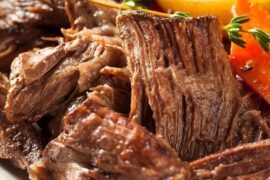
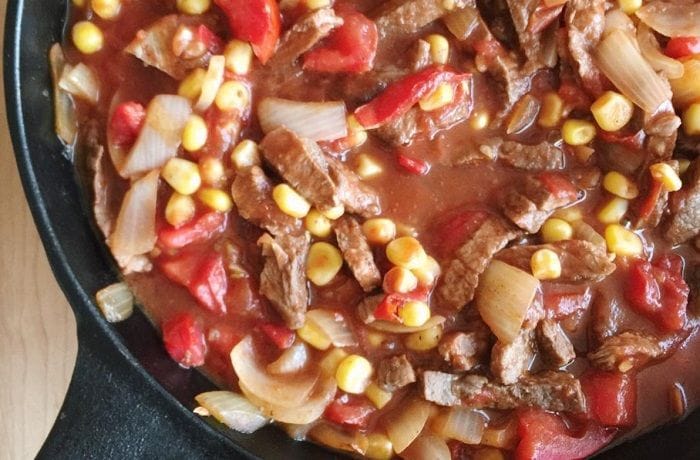
Tomatican is a very popular stew in Chile, particularly in the central region of the country, commonly prepared during the summer season due to the availability and freshness of its main ingredients.
Nutrition Facts
Each serving of Chilean tomatican contains approximately 180 kcal, 14 g of carbohydrates, 8 g of fats, 12 g of proteins, 2 g of fiber, 5 g of sugars, and 250 mg of sodium.
How to Make Tomatican?
Chilean tomatican is a typical dish of Creole cuisine, comprising a fusion of many native and foreign ingredients to create a fresh and versatile dish.
Prep Time: 30 minutes
Cook Time: 20 minutes
Servings: 6
Ingredients
- 300 g of beef (round steak)
- 4 medium tomatoes
- 3 ears of corn without kernels
- 2 cups of beef broth
- 1 onion cut into feathers
- 1 clove of garlic chopped
- ½ bell pepper chopped
- ½ teaspoon of paprika
- ½ teaspoon of oregano
- 1 tablespoon of oil
- Salt
- Pepper

Instructions
- In a medium-sized skillet or directly in a large pot, add the oil and sauté the thickly feather-cut onion and chopped garlic for about 3 minutes until the onion becomes translucent. Add the meat, cut into small strips, and sauté for about 2 minutes, stirring with a wooden spoon.

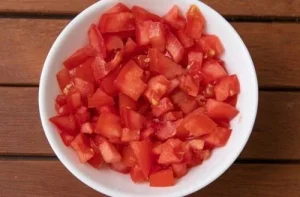
- Add the chopped bell pepper, mix everything together, and cook for 1 more minute. Incorporate the corn kernels and the diced tomatoes, preferably with skins, and stir gently to combine. Add the paprika, oregano, season with salt and pepper to taste, and stir everything well.
- Add the beef broth, cover, and cook for about 10 minutes until everything is well cooked, avoiding overcooking. Remove from heat and let it rest for a few minutes. Serve the tomatican alone or accompanied by white rice with chopped parsley, boiled potatoes, or French fries.
Keys for a Perfect Tomaticán
- Tomato Texture: It is recommended to use diced tomatoes with their skins to provide better structure to the stew and prevent the tomatoes from completely disintegrating during the simmer.
- Simmering Time: Cooking for exactly 10 minutes after adding the broth is the technical sweet spot to ensure the corn and meat are cooked through without overcooking the fresh vegetables.
Frequently Asked Questions (FAQ)
1. When is the best time to prepare Tomaticán?
While it can be made year-round, it is traditionally a summer dish because that is when tomatoes and corn are at their peak freshness in Chile.
2. Can I make a vegetarian version?
Yes; although the traditional recipe uses beef, you can omit the meat or replace the beef broth with vegetable broth for a lighter version of this Creole classic.
3. What are the best sides for this stew?
Tomaticán is incredibly versatile and can be served alone or accompanied by white rice with parsley, boiled potatoes, or even French fries.
4. Where does the name come from?
The dish dates back to the colonial era in Chile and combines the Spanish word for tomato with indigenous influences, similar to versions found in Argentina’s Cuyo region.
History and Origin o Tomatican
The origins of tomaticán date back to the colonial era in Chile, reflecting a fusion of native American ingredients like corn and tomatoes with European culinary influences. Today, it remains a pillar of Chilean Creole cooking, with very similar versions also enjoyed in the Cuyo region of Argentina.
Did You Know?
The origins of tomatican date back to the colonial era in Chile, and today a very similar version is also consumed in the Cuyo region of Argentina.