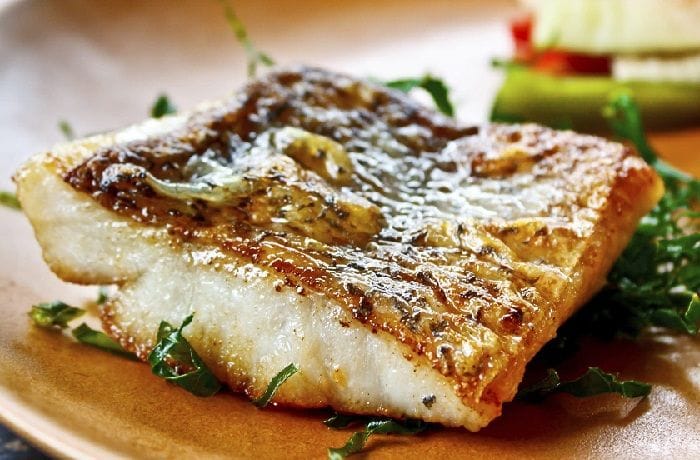
Chilean oven-baked albacore is a traditional home recipe of 4 white tuna fillets marinated in white wine, lemon, and olive oil, then baked at 180°C inside a sealed aluminum foil pouch with julienned onions and bay leaves — 30 minutes of preparation and 40 minutes in the oven. Each serving provides approximately 250 calories.
The foil seals in all the moisture and aromatic compounds during baking, keeping the fillets firm and succulent rather than dry — the defining advantage of this technique over open-pan baking.
How to Make Oven-Baked Albacore?
The key to this recipe is the closed aluminum foil pouch: sealing the fish with the marinade and aromatics traps the steam and prevents moisture loss, which is critical for albacore because its lean, low-fat flesh dries out quickly in dry heat. If working with a whole albacore, have your fishmonger fillet it — 4 portions per fish of average size. Remove any remaining pin bones by running your finger along the fillet and pulling them out with tweezers before marinating.
Nutritional Information
Each serving of Chilean oven-baked albacore contains approximately 250 calories, 5 g of carbohydrates, 10 g of fats, 35 g of proteins, 1 g of fiber, 3 g of sugars, and 350 mg of sodium.
Homemade Oven-Baked Albacore Recipe
Prep Time: 30 minutes
Cook Time: 40 minutes
Servings: 4
Ingredients
- 4 albacore fillets
- 100 ml white wine
- 6 bay leaves
- 2 onions, sliced into julienne strips
- Juice of 1 lemon
- Extra virgin olive oil
- Dried oregano
- Salt and pepper to taste

Instructions
- Wash and pat dry the albacore fillets. Check for pin bones by running a finger along the fillet and remove any with tweezers. Set aside. Preheat the oven to 180°C (356°F) for at least 10 minutes.
- In a medium bowl, combine the lemon juice, a drizzle of olive oil, and the white wine. Add a pinch of dried oregano, season with salt and pepper, and stir to integrate. Submerge the fillets in the marinade, turn to coat evenly, and allow to rest for 10 minutes.
- Line a baking tray with a large sheet of aluminum foil — large enough to fold over and seal completely into a pouch. Spread the julienned onions and bay leaves in the center of the foil. Place the marinated fillets on top and pour the remaining marinade over them.
- Fold the aluminum foil over the fish and crimp the edges tightly to seal the pouch completely. Bake in the preheated oven for 40 minutes. The fish should be opaque throughout when you open the foil — if the flesh is still translucent at the center, reseal and bake for 5 more minutes.
- Open the foil carefully to avoid steam burns. Serve the baked albacore immediately with the cooking juices spooned over the top, accompanied by mashed potatoes, white rice, or a vegetable omelet.
Additional Tips
The marinade matters more than the oven time
The 10-minute marinade is what gives this recipe its flavor — the lemon acid, white wine, and olive oil penetrate the albacore flesh in that short window, seasoning it from within before the oven seals everything inside the foil. Marinating much longer than 10 to 15 minutes is counterproductive: the lemon acid begins to denature the surface proteins (similar to ceviche), producing a mushy exterior texture after baking. Season the marinade aggressively before adding the fish — albacore has a mild flavor and needs adequate salt and pepper to avoid tasting bland after 40 minutes in the oven.
The foil pouch is essential — do not skip it or open it mid-bake
Albacore is a lean fish with very little intramuscular fat. Without the sealed foil environment, the moisture evaporates within the first 15 minutes and the fillets emerge dry and fibrous. The closed pouch creates a pressurized steam environment that keeps the interior temperature of the fish moist throughout the full 40-minute bake. Do not open the foil to check on the fish before 35 minutes — each opening releases the accumulated steam and requires an additional 5 to 10 minutes to rebuild it. Open the pouch only at the end, perpendicular to your face to avoid the burst of hot steam.
Bay leaves are aromatic, not decorative — use whole dried leaves
Bay leaves release their volatile aromatic compounds (eucalyptol, linalool) slowly under heat, which is why they are placed directly under and around the fillets rather than in the marinade. Use whole dried bay leaves, not ground or powdered bay — ground bay loses its aromatic compounds rapidly and turns bitter. Six bay leaves for four fillets is the standard ratio in Chilean baked fish recipes. The bay leaf also has a mild antispasmodic effect on the digestive system, which is why it has traditionally been considered beneficial in recipes featuring oily fish or rich marinades.
| Ingredient | Substitution and result |
|---|---|
| Albacore fillets | Swordfish (pez espada), reineta, or salmon — all bake well at 180°C for the same time; salmon is fattier and more forgiving of overcooking |
| White wine | Fish stock (caldo de pescado) — no alcohol; same moisture effect; adds a slightly more savory, less acidic note |
| Lemon juice | Lime juice — slightly sharper and more aromatic; use same quantity |
| Bay leaves | Fresh thyme sprigs or rosemary — different herbal profile; thyme is the most neutral substitute for bay in baked fish |
Frequently Asked Questions (FAQs)
1. How do I know when oven-baked albacore is done?
Open the foil at the 40-minute mark and insert a thin knife or fork into the thickest part of a fillet. The flesh should be completely opaque — no translucency at the center — and should flake easily when pressed with a fork. The internal temperature should reach 63°C (145°F). If the flesh resists flaking or appears glassy and translucent, reseal the foil and return to the oven for 5 more minutes. Overcooking is a bigger risk than undercooking: albacore fillets go from perfectly done to dry and rubbery in a narrow window, so check at 40 minutes without delay.
2. Can I bake albacore without the foil?
Yes, but the result is different. Without foil, the fish bakes in dry heat — the exterior will brown slightly and develop more texture, but the flesh will be significantly drier, especially toward the edges of the fillet. If baking open, reduce the time to 20 to 25 minutes at 190°C, baste with the marinade halfway through, and cover loosely with foil for the last 10 minutes to prevent the surface from over-browning while the center finishes cooking. Open-baked albacore works best for thinner fillets; the foil-sealed method is recommended for thick portions.
3. What sides go best with baked albacore?
Mashed potatoes (puré de papas) is the classic Chilean pairing — the creamy texture absorbs the cooking juices well. White rice is equally common. Other traditional accompaniments include a Chilean vegetable omelet (tortilla de verduras), steamed green beans, or a simple tomato and onion salad dressed with olive oil and oregano. Avoid strongly flavored or acidic sides that compete with the wine-lemon marinade — let the fish remain the main flavor.
4. Is albacore the same as white tuna?
Yes — albacore (Thunnus alalunga) is the species commercially sold as “white tuna” in most markets. The name refers to its pale, almost ivory-colored flesh, which is significantly lighter than the dark red flesh of bluefin or yellowfin tuna. Albacore has a milder, less “fishy” flavor than other tuna species and a firmer, more flake-able texture. In Chilean fish markets it is sold as “albacora” or “atún blanco” and is available fresh from July to November during the coastal fishing season.
What Is Chilean Albacore?
Albacore (Thunnus alalunga) is a medium-sized tuna species — typically 4 to 8 kg in adult form — distinguished by its exceptionally long pectoral fins (which extend well past the second dorsal fin) and its pale, almost white flesh. It is the only tuna species that may legally be labeled “white tuna” on canned products in the United States, where it is considered the premium tuna tier. In Chile, albacore is a seasonal coastal fish found in the Pacific Ocean between regions I and X (Arica to Los Lagos), both within and beyond the exclusive economic zone. It is an excellent source of lean proteins (approximately 35 g per 150 g fillet), omega-3 fatty acids, and selenium — an antioxidant mineral that protects cells from oxidative damage by free radicals.
History of Albacore in Chilean Cuisine
Albacore has been fished along the Chilean coast for centuries, though it did not become a common home-cooking ingredient until the 20th century when refrigerated transport made fresh albacore available beyond coastal towns. Artisanal fishing communities along the central coast — particularly around Valparaíso, San Antonio, and Coquimbo — historically relied on albacore as one of the key seasonal catches from July to November, when the fish migrate through Chilean territorial waters on their trans-Pacific movements. The baked preparation (albacora al horno) became established as a traditional recipe because the fish is too large for pan frying in whole or large-fillet form and responds particularly well to slow oven cooking with aromatics. The white wine-lemon marinade reflects the broader influence of European (primarily Spanish and Italian) cooking techniques adopted into Chilean home cuisine during the colonial and immigration periods of the 18th and 19th centuries.
Did you know?
Chilean albacore is found along the Pacific coast between regions I and X, both within and outside Chile’s exclusive economic zone. The fishing season runs primarily from July to November, when the fish migrate through Chilean coastal waters during their trans-Pacific routes. Unlike yellowfin or bluefin tuna, albacore does not form large mixed-species schools — it tends to concentrate at the boundary between warm and cold water currents, which is why Chilean albacore fishing is closely linked to the seasonal position of the Humboldt Current along the coast.