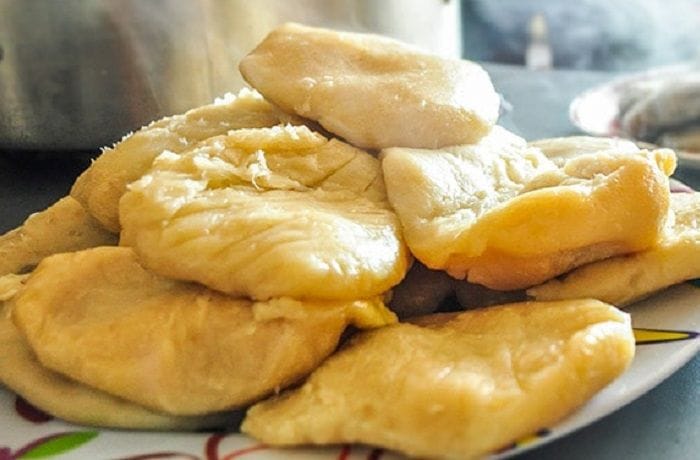
Chapaleles are dense, round potato breads from the Chiloé archipelago in southern Chile—made with mashed potatoes, wheat flour, lard, and cracklings, baked or steamed in under 30 minutes. They are the traditional side dish of curanto en hoyo, the iconic Chilote pit-cooked feast, and are equally enjoyed sweet with honey or plain as a savory snack.
Nutrition Facts
Each serving of Chilean chapaleles (considering 8 servings) contains approximately 320 kcal, 48 g of carbohydrates, 12 g of fats, 6 g of proteins, 3 g of fiber, 2 g of sugars, 55 mg of cholesterol, and 180 mg of sodium. (*)
(*) Estimated values based on a traditional 8-serving preparation; results may vary according to the specific type of Chilote potatoes and ingredients used.
How to Make Chapaleles?
Making chapaleles involves creating a bread from wheat flour and Chilote potatoes, to which lard, cracklings, and optionally eggs for more consistency are added. These can be either savory or sweet.
Prep Time: 30 minutes
Cook Time: 30 minutes
Servings: 8
Ingredients
- 2 kg of potatoes
- 500 g of flour
- 100 g of cracklings
- 2 tablespoons of lard
- 2 eggs
- Salt
Instructions
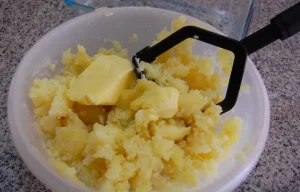
- Cook the peeled potatoes in a large pot of boiling salted water, then drain and mash them with a fork or mixer until smooth. Transfer the mashed potatoes to a large bowl, mix with the flour and knead firmly until you have a homogeneous dough.
- Incorporate the lard and chopped or ground cracklings, add salt to taste. Optionally, add 2 eggs to the dough for greater consistency. Preheat the oven to 180°C (356°F) for at least 10 minutes.
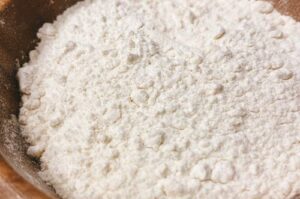
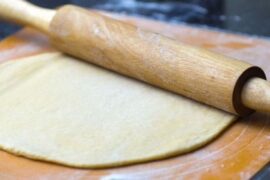
- Place the dough on a floured surface, divide and form small round breads about 10 cm in diameter. Arrange them on an oiled baking tray, then bake in the preheated oven for about 10 minutes. Serve the chapaleles hot.
Keys for perfect chapaleles
Dough consistency
Knead the mashed potato and flour mixture firmly for at least 3 minutes. Under-kneaded dough leaves dry pockets that cause the breads to crack during baking.
Binding agents
Lard and cracklings provide the savory flavor. Adding two eggs is the structural key—they bind the starchy dough so the breads hold their shape when served hot.
Potato variety
Use starchy, floury potatoes—traditional Chilote varieties are ideal. Waxy potatoes produce a wet dough that does not dry out or brown properly in the oven.
| Cooking method | Time | Texture | Typical use |
|---|---|---|---|
| Baked (180°C oven) | 10 min | Golden crust, soft inside | Standalone side dish |
| Steamed | 20 min | Moist and dense | Traditional in curanto en hoyo |
| Boiled in water | 15 min | Soft, slightly slippery | Served sweet with honey or sugar |
Frequently Asked Questions (FAQ)
How many types of chapaleles exist?
There are two main types based on cooking methods: steamed or baked versions (often used for curanto or pulmay) and boiled versions, which are typically enjoyed as a sweet treat with honey or sugar.
What gives chapaleles their unique flavor?
The savory flavor comes primarily from the combination of lard and cracklings mixed directly into the potato dough.
How should they be served?
They are best served hot, fresh from the oven, either on their own or as an accompaniment to hearty main dishes.
What is Chiloé’s cultural influence?
The archipelago’s heritage is a unique blend of indigenous Chono and Huilliche traditions combined with Spanish colonial history, which is reflected in their specific cooking techniques like the curanto.
History and Origins of Chapalele
The history and origin of chapaleles are deeply rooted in the Chiloé archipelago, where they emerged from a cultural blend of indigenous Chono and Huilliche traditions and Spanish colonial influences.
Did You Know?
Chiloé, an archipelago off the southern coast of Chile, is renowned for its unique cultural heritage, deeply influenced by a blend of indigenous Chono and Huilliche traditions and Spanish colonial history.
How to adapt this recipe to a vegan or vegetarian version?
How to adapt this recipe to a gluten-free version?
How to adapt this recipe to a keto (ketogenic) version?
Recommended
- Chilean tomatican recipe
- Valdivian raw meat recipe
- Chilean calafate jam recipe
- Cochayuyo ceviche recipe