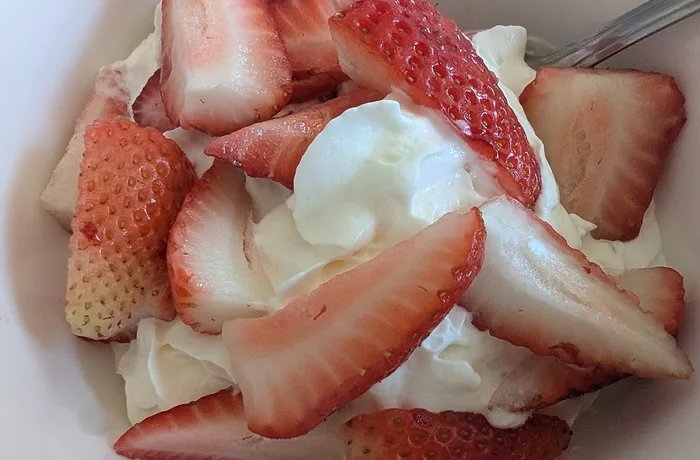
Chilean strawberries and cream, or frutillas con crema, is a seasonal dessert of fresh strawberries, cut and lightly sugared, layered with firm whipped cream. It takes about 35 minutes with no cooking for 4 servings and is served cold in glasses or small bowls.
When the first strawberries of the season arrive, frutillas con crema show up on many Chilean tables as dessert after a family lunch or for once, the Chilean afternoon tea, on weekends. The difference comes from a stable whipped cream and berries that release their juice before serving, and many homes add crushed meringue or a spoonful of manjar, the Chilean dulce de leche.
How to Make Strawberries and Cream?
The recipe depends on two things, macerating the strawberries with a little sugar so they release their juice and whipping the cream very cold until it forms stiff peaks. The cream is sweetened with powdered sugar, which dissolves without lumps. It is the same base as Chantilly cream, but here you want a slightly firmer point so it holds up against the fruit juice.
Nutritional Information
Each serving of Chilean strawberries and cream (one 210 g / 7.4 oz serving) contains approximately 350 kcal, 2 g of protein, 26 g of total fat (16 g of saturated fat), 85 mg of cholesterol, 26 g of carbohydrates, 22 g of sugars and 30 mg of sodium. These values are estimates and may vary depending on ingredients and portion sizes.
Homemade Strawberries and Cream Recipe
Preparation: 35 minutes
Servings: 4 servings
Ingredients
- 500 g (1.1 lb) fresh strawberries
- 2 tablespoons sugar for the strawberries
- 300 ml (1¼ cups) heavy whipping cream (30% fat)
- 3 tablespoons powdered sugar
- ½ teaspoon vanilla extract

Instructions
- Rinse the whole strawberries under a gentle stream of cold water, with the leaves still on so no water gets into the flesh. Drain and pat dry with paper towels. Remove the leaves and stem with a small knife and cut the strawberries in halves or quarters, depending on their size, setting aside 4 whole strawberries for garnish.
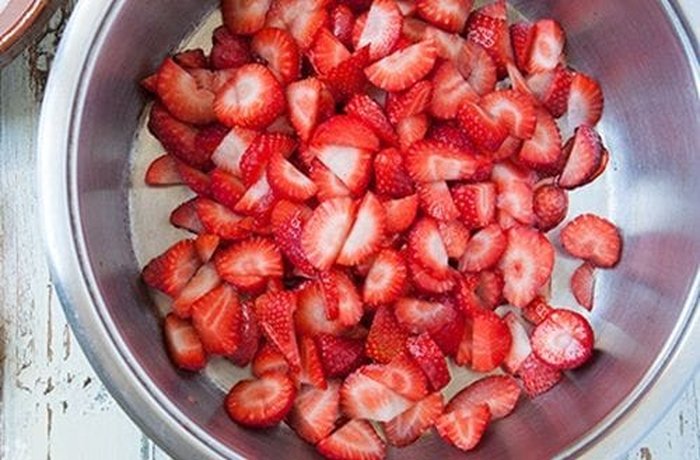
- Place the cut strawberries in a bowl, sprinkle with the 2 tablespoons of sugar and mix gently. Cover and refrigerate for 15 minutes so the fruit releases some of its juice and forms a light syrup. Meanwhile, put the mixing bowl and the beaters in the freezer for 15 minutes.
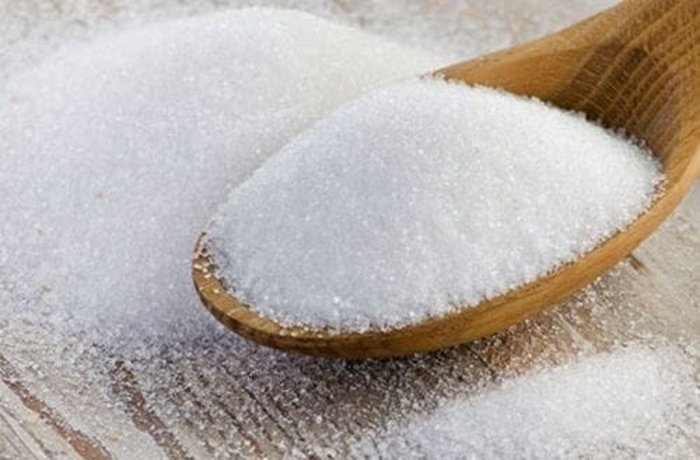
- Pour the 300 ml of whipping cream, straight from the refrigerator, into the cold bowl. Beat at medium speed until the beaters start to leave trails on the surface. At that point, add the 3 tablespoons of powdered sugar and the vanilla, and keep beating at medium-high speed.
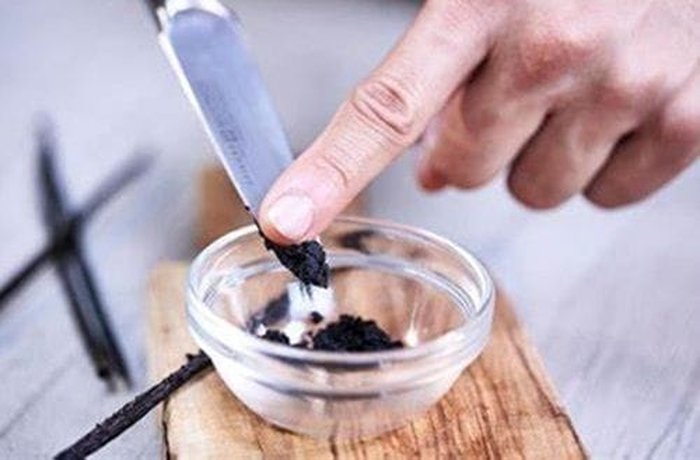
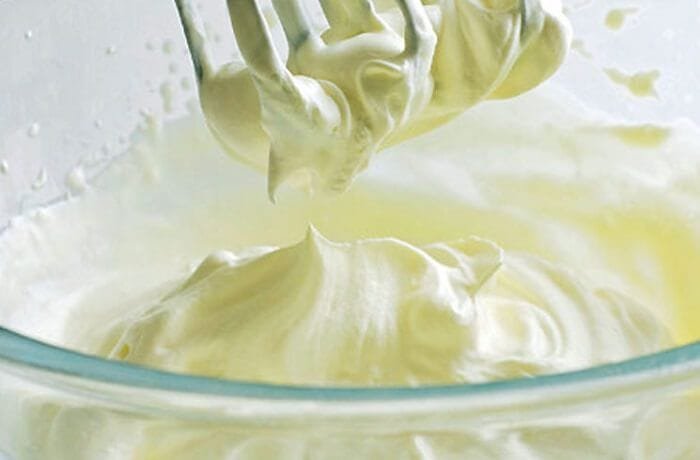
- Keep beating for 2 to 4 more minutes, until the cream forms stiff peaks that do not fold over when you lift the beaters. Stop as soon as you reach that point, because if you keep going the cream turns grainy, releases liquid and ends up as butter. Refrigerate the whipped cream while you assemble the glasses.
- Divide half of the strawberries with their juice among 4 glasses or small bowls, cover with a layer of whipped cream and repeat with the rest of the fruit and cream. Garnish each glass with a whole strawberry and serve right away, or keep in the refrigerator for up to 1 hour before bringing to the table.
Additional Tips
How to Whip Cream So It Stays Firm
The cream should have at least 30% fat and be at refrigerator temperature, because warm fat does not hold air. A cold bowl and beaters help, especially on hot days. Add the powdered sugar once the cream starts to thicken, since at the beginning it has a harder time gaining body. To keep it firm for several hours, you can add 1 tablespoon of powdered milk along with the sugar.
When to Sugar the Strawberries
Ideally, sugar them 15 to 30 minutes before serving. The sugar draws out the fruit’s juice and forms a natural syrup that mixes with the cream. If you sugar them several hours ahead, the strawberries soften and lose their firmness, and the excess juice makes the cream soggy. With very sweet peak-season strawberries, 1 tablespoon is enough, and with tarter early-season fruit you can use 3.
Meringue and Manjar Variations
For the meringue version, use dry meringues broken into pieces and add them just before serving so they stay crunchy. They can be store-bought or homemade with Swiss meringue, which turns out firm and glossy. The manjar version puts a spoonful of manjar in the bottom of each glass before the fruit, and works best with a thick homemade manjar that does not run between the strawberries.
All of these combinations use the same base of macerated strawberries and whipped cream from the recipe.
| Variation | Extra ingredient for 4 servings | How to assemble |
|---|---|---|
| With meringue | 100 g (3.5 oz) dry meringues | Break the meringues into pieces and fold them in when serving so they stay crunchy |
| With manjar | 4 tablespoons manjar (dulce de leche) | Put a spoonful of manjar in the bottom of each glass before the strawberries |
| With ice cream | 4 scoops vanilla ice cream | Serve a scoop over the strawberries and finish with the whipped cream |
| With orange juice | Juice of 1 orange | Macerate the strawberries with the juice and 1 tablespoon of sugar instead of 2 |
| With chocolate | 30 g (1 oz) grated dark chocolate | Sprinkle the chocolate over the last layer of cream |
Frequently Asked Questions (FAQs)
1. How Much Sugar Do You Add to Whipping Cream?
A practical measure is 1 tablespoon of powdered sugar for every 100 ml of cream, which means 3 tablespoons for 300 ml. With that ratio the cream stays mild and lets the flavor of the fruit come through. For a sweeter result you can go up to 4 tablespoons without the cream losing firmness.
2. Can You Make Strawberries and Cream Ahead of Time?
You can prepare the parts separately. Cut, unsugared strawberries keep for a day covered in the refrigerator, and firm whipped cream holds for a few hours in the cold. It is best to sugar the fruit 15 to 30 minutes before serving and to assemble the glasses no more than 1 hour ahead, so the cream does not get soggy.
3. What If the Cream Is Overwhipped?
If the cream looks grainy but is not yet releasing liquid, you can rescue it by adding 2 or 3 tablespoons of cold liquid cream and folding it in with a spatula, without the mixer, until smooth. If it has already separated into a yellowish liquid, it has turned into butter and will not work for the dessert, although you can use it in other preparations.
4. Can You Use Table Cream Instead of Whipping Cream?
Canned table cream and cooking cream usually have less fat and do not form stiff peaks when whipped. For this dessert, use whipping cream and check the label for 30% fat or more. If you only have lower-fat cream, you can pour it unwhipped over the strawberries, like a sauce.
What Is Strawberries and Cream?
Frutillas con crema is the Chilean name for strawberries and cream, a no-bake dessert of fresh strawberries cut and macerated briefly with sugar, then layered in glasses with whipped cream sweetened with powdered sugar and vanilla. The berries release a light syrup that mixes with the cream. It is a spring and summer dessert in Chile, sometimes finished with crushed meringue or manjar.
History of Strawberries and Cream in Chile
The strawberry has a special place in Chilean history. The Chilean strawberry (Fragaria chiloensis), cultivated in the south of the country since before the arrival of the Spanish, was taken to France in the early eighteenth century and, crossed with a North American species, gave rise to the garden strawberry grown all over the world today.
Strawberries with cream is a common pairing in several European cuisines. In Chile it became a homemade dessert tied to spring and summer, when the fruit is plentiful at street markets and produce stands.

Did You Know?
Strawberries do not keep ripening after they are picked, unlike bananas or avocados. That is why you should choose them ready to eat, red and shiny all the way to the stem, firm and with an intense aroma. Those with a white or green area near the stem usually turn out sour. Store them unwashed in the refrigerator, because moisture speeds up mold.
How to adapt this recipe to a vegan or vegetarian version?
How to adapt this recipe to a gluten-free version?
How to adapt this recipe to a keto (ketogenic) version?
Recommended
- Homemade Chantilly cream, with a vegan version
- Chilean strawberry or raspberry kuchen
- Chilean babarua, an easy strawberry mousse
- Chilean merenguitos con manjar, crisp meringue sandwiches