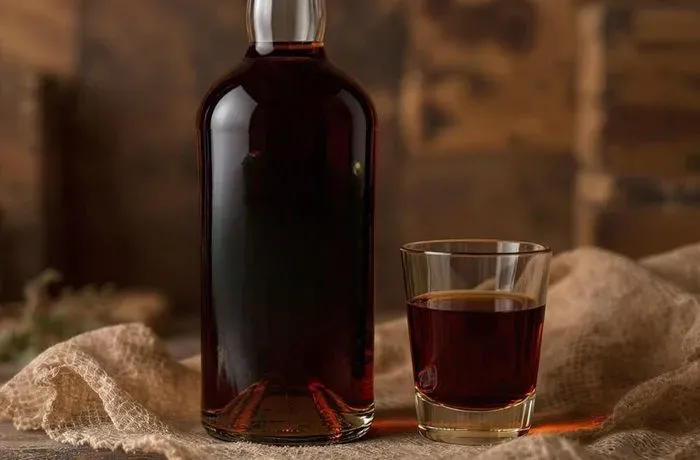
The Chilean Araucano herbal bitter is a digestive liqueur made by macerating seventeen botanicals — gentian root, quina bark, wormwood, boldo, bitter orange peel, and a blend of aromatic spices — in neutral alcohol for fourteen days, then diluting, sweetening, and resting for another two weeks. The original Araucano was created in 1894 by Italian pharmacist Francesco Sconfietti in Valparaíso, drawing on the amaro tradition he brought from Italy and enriching it with South American medicinal plants. This home recipe replicates its profile without the secret formula.
The process takes 28 days in total but requires less than 30 minutes of active work. The result is a complex, bitter-forward herbal liqueur suitable as a digestif, a cocktail base, or a remedy for sluggish digestion — just as Sconfietti intended when he first produced it in his Valparaíso pharmacy.
How to Make Araucano-Style Herbal Bitter at Home?
The method is a cold maceration: the dried botanicals steep in neutral alcohol for fourteen days, extracting bitter compounds, essential oils, and aromatic resins. The extract is then strained, blended with water and a light sugar syrup to soften the edge, and rested for another ten to fourteen days to allow the flavors to integrate. No heat is applied at any stage — bitterness and aroma compounds in roots and barks are volatile and degrade quickly above room temperature. Dark glass and a cool location are the two non-negotiable requirements.
Nutritional Information
A standard 30ml serving provides approximately 90 kcal, with 7g of carbohydrates and 6g of sugar from the syrup, and zero protein or fat. Sodium is negligible at 0mg. These values are typical for a lightly sweetened herbal bitter at 20–25% ABV. The caloric content comes almost entirely from the alcohol and the sugar syrup — the botanical extracts themselves contribute flavor and bioactive compounds but negligible calories.
Homemade Araucano-Style Herbal Bitter Recipe
Active prep time: 15 minutes | Maceration: 28 days total | Yield: ~30 servings (30ml each)
Ingredients
- 500ml neutral alcohol at 40% ABV
- 500ml purified water
- 100ml simple syrup (50g sugar dissolved in 50ml water)
- 10g gentian root, dried
- 5g angelica root, dried
- 5g dried wormwood (artemisia absinthium)
- 3g quina bark (cinchona bark)
- 5g bitter orange peel, dried
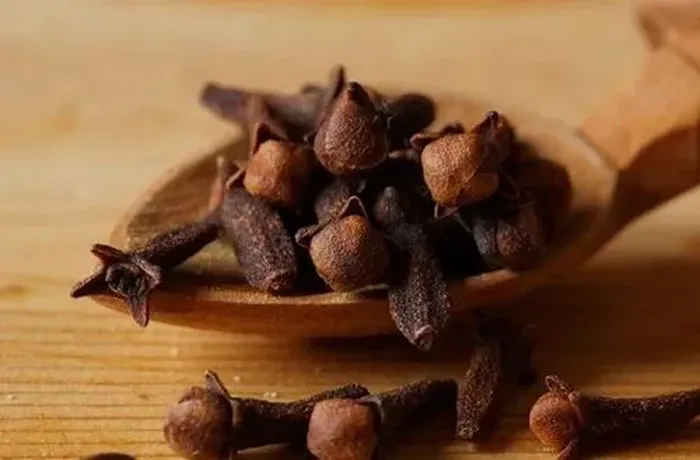
- 2g whole cloves
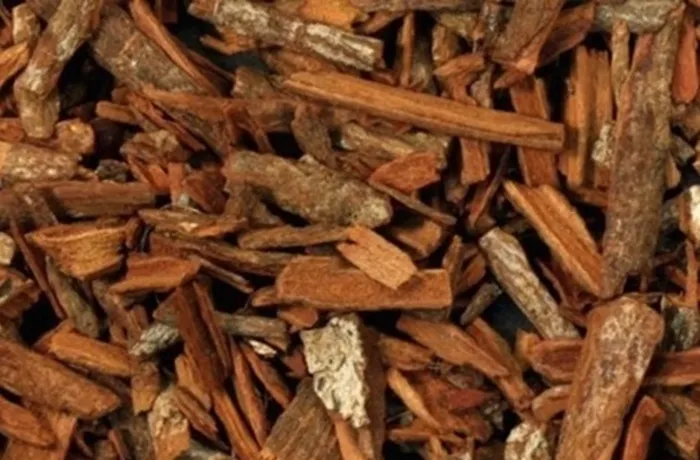
- 2g cinnamon stick
- 2g cardamom pods
- 1g nutmeg, freshly grated
- 1g star anise
- 1g dried peppermint
- 1g dried boldo leaves
- 1g dried lemongrass
- 1 vanilla pod, split lengthwise
Instructions
- Sterilize one or two glass jars with hermetic lids; dry completely. Weigh all botanicals precisely. Lightly crush the larger pieces — cinnamon stick, cardamom pods, vanilla pod — with a mortar or the flat of a knife to open them up and accelerate extraction. Do not grind anything into powder, especially the roots and barks.
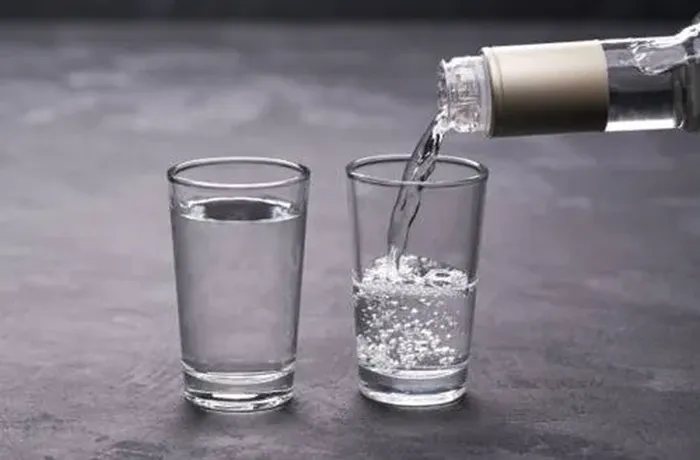
- Combine all seventeen botanicals in the sterilized jar. Pour in the 500ml of neutral alcohol, seal the jar tightly, and shake well. Store in a cool, dark location for fourteen days. Agitate the jar gently every two days to encourage even extraction.
- After fourteen days, strain the extract through a coffee filter or sterilized fine-mesh gauze into a clean container. Prepare the simple syrup if you have not already: dissolve 50g of sugar in 50ml of warm water and let it cool completely. Combine the strained extract with the 500ml of purified water and the syrup. Taste and adjust sweetness if needed.
- Transfer the blended liqueur to dark glass bottles (amber or green), seal hermetically, label with the bottling date, and rest in a cool, dark place for a further ten to fourteen days before drinking. This second rest allows the diluted extract and the syrup to fully integrate. Consume within six months of bottling.
Araucano Bitter vs. Italian Amaro
Both Araucano and Italian amari are herb-based digestive bitters produced by macerating botanicals in alcohol, but their profiles diverge at the botanical selection stage. Italian amari tend toward a sweeter, more aromatic balance, using alpine herbs, gentian, and fruit peels as their backbone. Araucano leans drier, more medicinal, and markedly more bitter, reflecting Sconfietti’s decision to incorporate boldo and quina bark — South American plants with no equivalent in the Italian tradition. The result is a bitter that reads as simultaneously European in technique and unmistakably Chilean in character.
Where to Buy the Original Araucano
The original Araucano by Sconfietti is still produced and available in Chile at specialty liquor shops, traditional pharmacies, and apothecaries, as well as through e-commerce platforms in 250ml and 700ml formats. Outside Chile it can occasionally be found through importers specializing in South American spirits, though availability varies significantly by country.
Additional Tips
Respect the First Fourteen Days of Dark Maceration
Dense roots and barks — gentian, angelica, quina — require prolonged contact with the solvent to release their active compounds fully. Straining before day fourteen will produce a thinner, less complex extract that cannot be corrected afterward. Set a reminder and wait the full two weeks regardless of how good it smells after day seven.
Use Dark Glass Bottles for Storage
The phenolic compounds and herbal pigments in the extract are photosensitive. Exposure to direct light — even indirect daylight over weeks — will progressively destabilize the molecular composition, dulling color and flattening aroma. Amber or dark green glass is not optional for the storage phase.
Calibrating Bitterness and Sweetness
After the first blend at day fourteen, taste before sealing for the second rest. The liqueur will be noticeably harsher than the finished product — the second rest softens it considerably — but you can still adjust at this stage. Add syrup in 10ml increments and allow 30 minutes for each addition to integrate before tasting again. Once bottled for the second rest, sweetness cannot be adjusted without re-opening and re-filtering.
| Ingredient | Substitution | Notes |
|---|---|---|
| Neutral alcohol 40% | Grape aguardiente 50% | Reduce water to 400ml; bolder, less clean profile |
| Wormwood 5g | Dried mugwort 5g | Milder bitterness; similar aromatic base |
| Boldo leaves 1g | Dried sage 1g | Less South American character; more herbal-savory |
| Simple syrup 100ml | Honey syrup (1:1) | Adds floral note; slightly darker color |
Frequently Asked Questions (FAQs)
1. Why does my homemade Araucano bitter taste too harsh and bitter?
The most common causes are grinding the quina bark or gentian root into fine powder, or exceeding the recommended dose of wormwood. Use whole or coarsely broken pieces only, and measure wormwood precisely — 5g is the maximum for a full batch. Over-extraction of bitterness is irreversible.
2. What does quina bark do in this recipe?
Quina bark (cinchona bark) supplies quinidine, a crystalline alkaloid that delivers the persistent, characteristic dryness of a classic bitter. It directly engages taste receptors at the base of the tongue, producing the lingering finish that defines the Araucano style.
3. Can I use Chilean grape aguardiente instead of neutral alcohol?
Yes, it is a viable substitution that adds character. Note that artisanal grape aguardiente carries strong pomace and fermented-fruit aromatics that will compete with the more delicate botanicals. The result will be bolder and less balanced than a neutral-spirit base.
4. How does herbal bitter aid digestion?
Bitter taste receptors on the tongue trigger a vagal nerve reflex that stimulates saliva production, hydrochloric-acid-rich gastric juices, and hepatic bile secretion. This accelerates the chemical breakdown of fats and proteins, reducing post-meal heaviness and bloating — which is why bitters are traditionally served after a large meal.
5. Does homemade Araucano bitter need to be refrigerated after opening?
No. The alcohol content and sugar concentration together act as natural preservatives stable at ambient temperature. Store in a cool, dark pantry away from direct sunlight and the bitter will maintain its quality for approximately six months after bottling.
What Is Araucano Herbal Bitter?
Araucano is a Chilean herbal digestif — a bitter liqueur produced by macerating a blend of roots, barks, peels, and dried herbs in neutral alcohol, then diluting and lightly sweetening the extract. It belongs to the same family as Italian amari and Central European bitters, but its botanical profile is uniquely South American: boldo (a Chilean native with hepatoprotective properties) and quina bark (the Andean source of quinidine) give it a dryness and medicinal character that sets it apart from European bitters. It is consumed as a digestif after meals, used as a cocktail modifier in the same way Angostura is used internationally, or taken as a traditional home remedy for stomach complaints.
History of Araucano in Chile
Araucano was created in 1894 by Francesco Sconfietti, an Italian pharmacist-chemist who emigrated to Valparaíso at the end of the nineteenth century. Sconfietti brought with him the amaro tradition of northern Italy — the practice of using alcohol as a solvent to extract medicinal compounds from botanicals — and adapted it to the plants he found in his new country. Boldo, quina bark, and other South American herbs replaced some of the alpine ingredients he had used in Italy, producing a bitter with a distinctly Chilean character. Throughout the twentieth century, Araucano became a household staple across Chile, sold in pharmacies as a digestive remedy and stocked in every traditional bar as the local answer to imported European bitters.
Did You Know?
The name “Araucano” does not refer to any ingredient in the recipe. It references the indigenous Mapuche people — historically called Araucanos by the Spanish — associating the liqueur with naturalism, ancestral medicinal knowledge, and the Chilean landscape. The branding was a deliberate marketing choice by Sconfietti to distinguish his product from the European bitters already circulating in Chilean ports, positioning it as something authentically of the land rather than an import.
How to adapt this recipe to a vegan or vegetarian version?
How to adapt this recipe to a gluten-free version?
How to adapt this recipe to a keto (ketogenic) version?
Recommended
Chilean Calafate Berry Liqueur | Chilean Canelita Cinnamon Mistela | Chilean Pihuelo | Chilean Grape Aguardiente