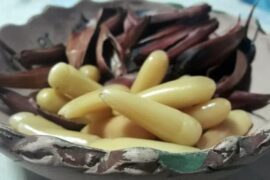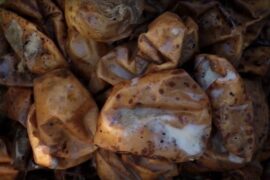
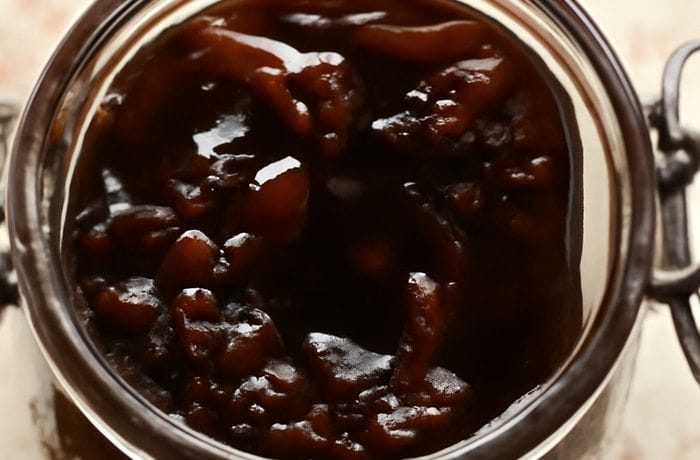
Chilean cochayuyo seaweed jam is one of the most innovative preparations in contemporary Chilean coastal cuisine — a sweet preserve made from Durvillaea antarctica, the giant bull kelp harvested along Chile’s Pacific coast, cooked down with sugar and fresh spearmint into a thick, amber-colored spread. Served cold, it has a dense consistency, a deep amber hue, and an unusual flavor profile that balances herbal freshness with a subtle mineral undertone from the sea.
The recipe is an accessible introduction to cooking with cochayuyo for those who have only encountered it in savory preparations such as stews or salads. The seaweed’s natural gelatin content helps the jam set without pectin, and the spearmint keeps the result bright rather than heavy.
How to Make Chilean Cochayuyo Seaweed Jam?
The process follows classic jam-making logic with one extra step: rehydrating and cooking the dried seaweed before it becomes the fruit equivalent in this recipe. The cochayuyo is soaked overnight, boiled until tender, processed to the desired texture, and then cooked a second time with sugar and spearmint. The ratio is simple — for every 100 g of cooked cochayuyo, add 40 ml of water and 30 g of sugar — and scales up or down cleanly.
Nutritional Information
Each serving of cochayuyo jam provides approximately 35 kcal, 8 g of carbohydrates, 0 g of fat, 0.5 g of protein, 1 g of dietary fiber, 7 g of sugars, 0 mg of cholesterol, and 10 mg of sodium. Cochayuyo is naturally rich in iodine, calcium, iron, magnesium, and potassium. The fiber content supports digestive health, and the lemon or orange zest added optionally supplies vitamin C and antioxidants.
Homemade Chilean Cochayuyo Seaweed Jam Recipe
Prep time: 60 minutes (plus 12 hours soaking)
Cook time: 90 minutes
Servings: 12
Ingredients
- 300 g dried cochayuyo seaweed
- 120 ml cold water
- 100 g granulated sugar
- Fresh spearmint leaves
- 1 tablespoon white vinegar (for soaking)
- Optional: orange or lemon zest

Instructions
- Place the dried cochayuyo strips in a large pot, cover completely with cold water, and add one tablespoon of white vinegar. Soak for 12 hours. Drain the soaking water, rinse the seaweed well under cold running water, and transfer to a clean pot.

- Cover the soaked cochayuyo with fresh cold water, bring to a boil, then cook over medium heat for about 45 minutes until completely tender. Remove from heat, allow to cool, and drain, reserving the cooking water. Chop the cooked seaweed into roughly 1 cm pieces, or process with an immersion blender to your preferred texture — chunky or smooth.

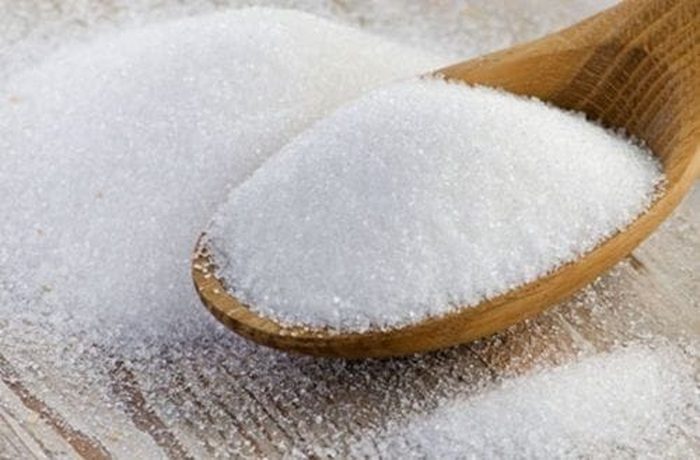
- Weigh the cooked cochayuyo and transfer to a heavy-bottomed pot. Add water equal to just under half its weight (approximately 40 ml per 100 g) and sugar equal to about one-third its weight (approximately 30 g per 100 g). Stir to combine.
- Rinse the spearmint leaves under cold water, chop finely, and stir into the pot. Add orange or lemon zest if using. Cook over low heat, stirring regularly with a wooden spoon, for about 40 minutes or until the jam reaches your desired thickness. Remember that it will thicken further as it cools. Pour hot into sterilized jars or cool to room temperature before refrigerating.
Additional Tips
The jam sets firmer when cold — stop cooking early
Cochayuyo contains natural hydrocolloids (similar to agar) that cause the jam to firm up noticeably once it drops below room temperature. Pull it off the heat when it looks slightly thinner than your target consistency — it will reach the right texture in the jar. Overcooking produces a stiff, sticky paste rather than a spreadable jam.
Sterilize jars properly for longer shelf life
To sterilize glass jars, wash them in hot soapy water, then place them upside down in a 120°C oven for 15 minutes. Fill the hot jars while the jam is still hot, seal immediately, and invert for 5 minutes to create a vacuum seal. Properly sealed jars stored in a cool, dark place last up to 3 months.
Adjust the ratio to taste and shelf life
The recipe uses a conservative sugar ratio (30 g per 100 g of seaweed) for a lightly sweet result. Increasing to 50 g per 100 g produces a more traditional jam consistency with longer shelf life, since sugar acts as a preservative. Reducing below 30 g is possible but requires refrigeration at all times and shortens the viable window to a few days.
| Ingredient | Substitution | Notes |
|---|---|---|
| Dried cochayuyo | Fresh cochayuyo or wakame | Fresh: skip the 12-hour soak; wakame: check softness at 20 min |
| Granulated sugar | Honey, coconut sugar, or stevia | Natural sweeteners darken the color; always refrigerate |
| Spearmint | Peppermint, lemon verbena, or orange zest | Orange zest adds a citrus-forward note that pairs well with the mineral flavor |
| Cold water (cooking step) | Reserved cochayuyo cooking water | Reusing the cooking liquid deepens the mineral flavor of the finished jam |
Frequently Asked Questions (FAQs)
What does cochayuyo jam taste like?
It has a sweet flavor with a very mild marine undertone, balanced by the freshness of spearmint. The combination is unusual but pleasant — similar to a herbal fruit jam, with a slightly earthy, oceanic depth that fades as the sweetness takes over.
Can I use fresh cochayuyo instead of dried?
Yes. If using fresh cochayuyo, skip the 12-hour soaking step and simply rinse the seaweed well under cold water before cooking. The boiling time may be shorter — check for softness at the 25-minute mark.
How long does cochayuyo jam keep?
Stored in sterilized, vacuum-sealed jars in a cool, dark place, it keeps for up to 3 months. Once opened, refrigerate and consume within 10 to 14 days.
Can I make it without sugar?
You can substitute natural sweeteners such as stevia or erythritol, but removing sugar affects preservation. Without the sugar acting as a preservative, the jam must be refrigerated at all times and consumed within a few days.
What Is Chilean Cochayuyo Seaweed Jam?
Chilean cochayuyo seaweed jam is a sweet preserve made from Durvillaea antarctica, commonly known as cochayuyo — a large, strap-like brown seaweed that grows anchored to rocky shores along Chile’s Pacific coast. Unlike most seaweed preparations in Chilean cuisine, which are savory (stews, salads, ceviches), this jam applies the logic of fruit preserve-making to an ingredient harvested from the sea. The cochayuyo is fully rehydrated, cooked until tender, and processed before being combined with sugar and aromatics for a second cook. The natural hydrocolloids in the seaweed help the jam set without added pectin, and the spearmint introduces an herbaceous brightness that counterbalances the mineral depth of the kelp.
History of Cochayuyo in Chilean Cuisine
Cochayuyo has been consumed along the Chilean coast for at least 14,000 years — archaeological evidence from the Monte Verde site in the Los Lagos region includes remnants of various seaweed species, making it one of the earliest documented food sources in the Americas. For the Mapuche people, cochayuyo was a trading commodity carried inland from the coast and used in stews, soups, and as a protein supplement during lean seasons. The name itself is Quechua in origin: cocha (lake or sea) and yuyo (weed or herb). Chile remains one of the world’s leading producers of cochayuyo, most of it harvested by small-scale coastal communities and sold dried at markets throughout the country. The jam preparation is a recent innovation, part of a broader culinary movement to explore cochayuyo beyond its traditional stew applications.
Did You Know?
The word marmalade — and its Spanish equivalent mermelada — originally meant quince jam, derived from the Portuguese marmelo (quince), which in turn traces back to the Latin melimelum, a type of apple eaten in ancient Greece. The use of “mermelada” for any fruit-based preserve is a later extension of the term — making cochayuyo jam a doubly innovative play on language: it borrows both the word and the technique from a tradition built entirely around fruit.