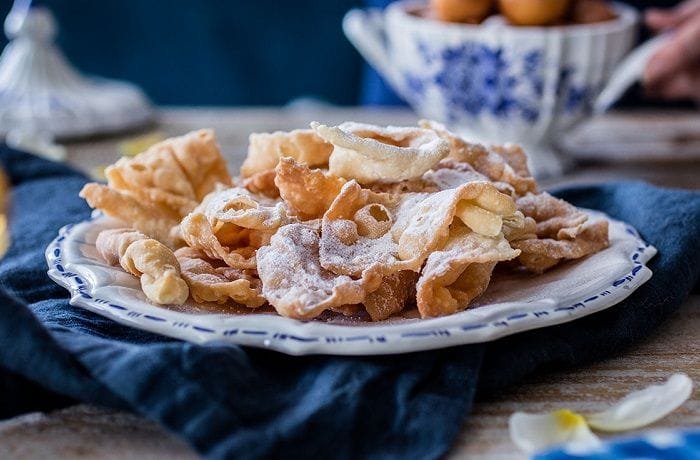
Cintas fritas from Punta Arenas are crisp fried pastry ribbons of Croatian origin (krostule), made from a dough of flour, eggs, yolks, butter, sugar, vanilla, citrus zest, cinnamon, and nutmeg, rolled to 3 mm, cut into strips, twisted, fried at 160 C (320 F), and served with powdered sugar or honey. They take 20 minutes of preparation plus 30 minutes of frying and serve 6 people.
They are a Croatian specialty very popular in Punta Arenas, home to a large community of Croatian descent.
How to Make Cintas Fritas?
Cintas fritas are thin ribbons of dough fried in hot oil and served with honey or a dusting of powdered sugar. The dough is blended, kneaded, rolled very thin, cut, shaped, and fried in small batches.
Nutritional Information
Each serving of cintas fritas contains approximately 250 kcal, 30 g of carbohydrates, 12 g of fat, 4 g of protein, 1 g of fiber, 10 g of sugars, 30 mg of cholesterol, and 200 mg of sodium. These values are estimates and may vary depending on ingredients and portion sizes.
Homemade Cintas Fritas de Punta Arenas Recipe
Preparation: 20 minutes
Cooking: 30 minutes
Servings: 6 people
Ingredients
- 400 g (3 cups) of all-purpose flour
- 40 g (3 tablespoons) of sugar
- 30 g (2 tablespoons) of butter
- 10 ml (2 teaspoons) of vanilla
- 4 egg yolks
- 2 large eggs
- 1 teaspoon of baking powder
- Oil for frying
- Powdered sugar or honey
- 1 teaspoon of orange zest
- 1 teaspoon of lemon zest
- Fine salt
- Ground cinnamon
- Ground nutmeg
Instructions
- In a food processor, combine the eggs, yolks, sugar, orange and lemon zest, vanilla, a pinch of salt, cinnamon, nutmeg, and butter, and process until smooth.
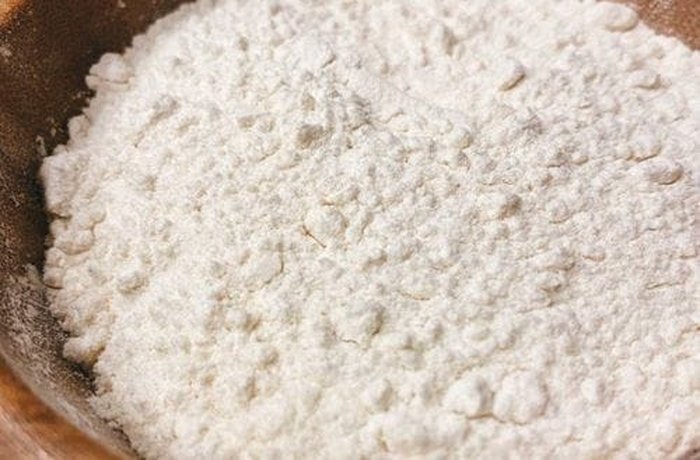
- In a large bowl, sift the flour with the baking powder, add the egg mixture, and knead into a dough that does not stick to your fingers, adding a little more flour if needed. On a clean, smooth surface, roll the dough out very thin, about 3 mm (1/8 in).
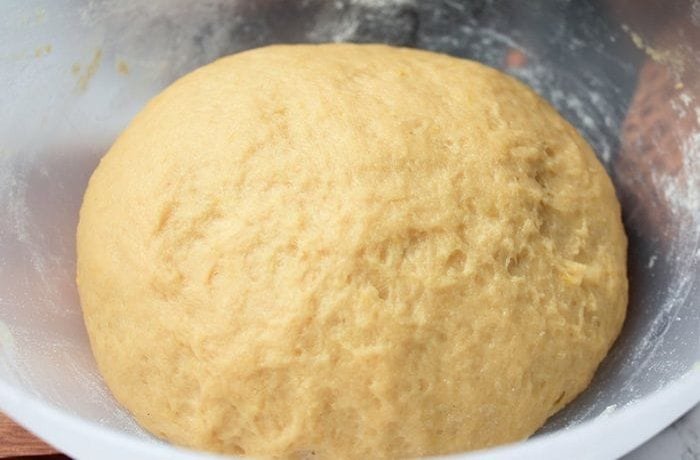
- Cut strips 3 cm (1 1/4 in) wide and 25 cm (10 in) long, spread them out, and let rest for about 5 minutes. Heat the oil in a pot or deep skillet over medium-high heat to about 160 C (320 F), twist or knot each strip into shape, and fry until golden.

- Drain on paper towels and serve dusted with powdered sugar or drizzled with honey.
Additional Tips
Rest the dough
Wrap the dough in plastic and refrigerate it for at least 30 minutes to relax the gluten and make rolling easier.
Fry in small batches
Let the oil return to temperature between batches so the ribbons cook evenly and stay crisp.
Add a liqueur
Traditional Croatian krostule often include a splash of rum, brandy, or maraschino liqueur in the dough.
| Original ingredient | Substitute | Ratio | Flavor note |
|---|---|---|---|
| All-purpose flour | Whole wheat flour | 1:1 | Denser, less crisp |
| Fried | Baked | Much less crisp | |
| Powdered sugar | Honey | To taste | Stickier, richer |
| Vanilla | Rum or maraschino liqueur | 1:1 | More traditional Croatian flavor |
Frequently Asked Questions (FAQs)
1. Can I use whole wheat flour?
Yes, but the dough will be denser and the ribbons less delicate and crisp.
2. Can I bake them instead of frying?
You can, but you lose much of the crisp, airy texture that frying gives.
3. How do I keep them from sticking while frying?
Keep the oil hot and steady and fry in small batches without crowding the pot.
4. How long do they stay crisp?
They are best the same day; in an airtight container they keep for 1 to 2 days.
What Are Cintas Fritas?
Cintas fritas, or krostule, are Croatian fried pastry ribbons that became a traditional sweet in Punta Arenas and the Magallanes region of Chile.
History and Origin
Fried pastry ribbons like these are often traced to the frictilia of ancient Rome, sweet fried dough eaten during the Saturnalia festivities.
Did You Know?
Croatian immigration to Chile took place mainly from the second half of the 19th century into the early 20th century, with settlers concentrated in Magallanes and the far north.
How to adapt this recipe to a vegan or vegetarian version?
How to adapt this recipe to a gluten-free version?
How to adapt this recipe to a keto (ketogenic) version?
Recommended
- Chilean Choriqueso from Punta Arenas
- Chilean Fried Roscas
- Patagonian Lamb Ribs with Rosehip Sauce
- Homemade Donuts